Canada announces 'dollar-for-dollar' retaliatory tariffs on US as high as 50%
Source Entity
BBC News
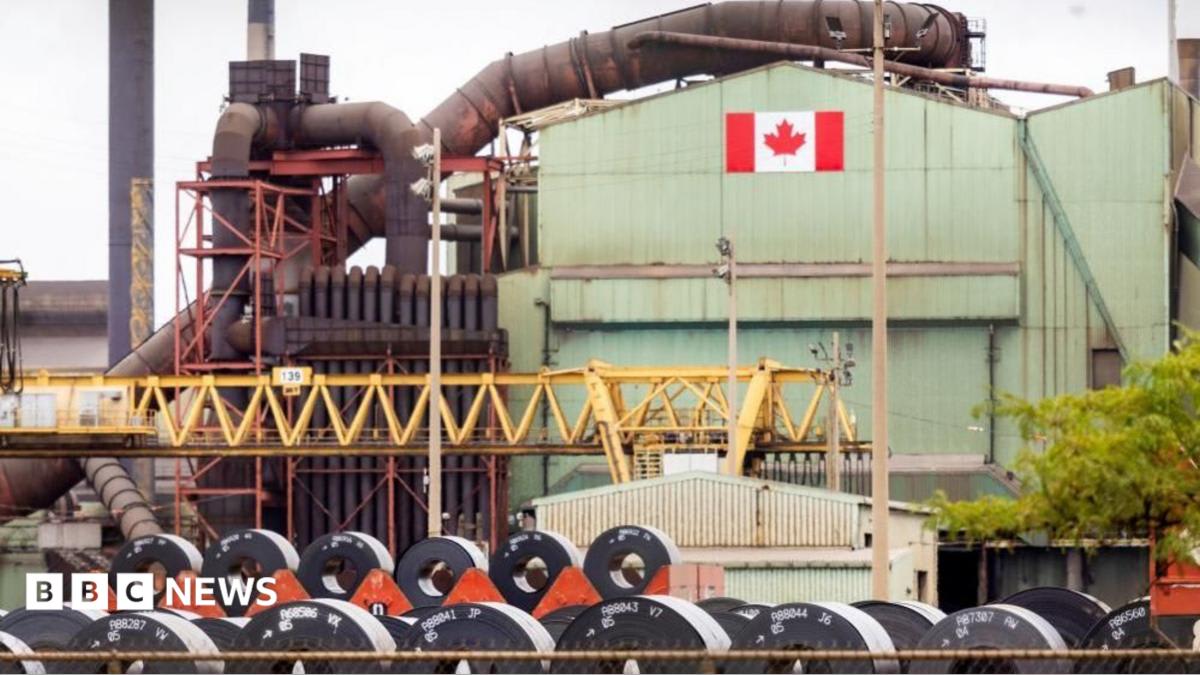
Tensions have escalated between the U.S. and Canada following a breakdown in trade talks and the imposition of 50% U.S. tariffs on various Canadian goods. While Canada prepares retaliatory measures, both nations remain tethered by a critical energy interdependence that currently remains untouched by the trade dispute.
The North American Trade Crisis: A Strategic Standoff
The recent collapse of trade negotiations between the United States and Canada has triggered a significant economic escalation, marked by Washington’s imposition of 50% tariffs on a broad spectrum of Canadian imports. This move, targeting sectors ranging from furniture and dairy to electrical products and plywood, signals a sharp departure from the traditionally collaborative economic relationship between the two North American neighbors. As Canadian trade negotiators depart Washington, the atmosphere remains charged with uncertainty and potential for further volatility.
The Strategic Omission: Energy Security
Despite the aggressive stance taken by the Trump administration, the tariff regime conspicuously excludes crude oil. This omission is not a matter of diplomatic grace but a reflection of profound structural necessity. With 90% of Canada’s crude exports—valued at approximately CA$126 billion—destined for the U.S. market, and Canada supplying 63% of total U.S. crude imports, the two nations operate within a deeply integrated energy ecosystem. Any disruption to this flow would cause immediate price shocks at U.S. gas pumps and jeopardize the operational stability of North American refineries.
Leadership Stances and Diplomatic Hurdles
Prime Minister Mark Carney has signaled that Ottawa remains open to a mutually beneficial resolution, yet he has set a firm condition: the United States must approach the table with the 'right attitude.' This rhetoric suggests that Canada views the current U.S. demands—which include threats of additional duties on steel, vehicles, and auto parts—as untenable. The diplomatic stalemate is further complicated by the political pressure on both sides to appear strong against the other, limiting the immediate room for compromise.
The Cycle of Retaliation
Canadian Trade Minister Dominic LeBlanc’s recent confirmation that Ottawa is poised to unveil retaliatory tariffs on U.S. goods marks a pivotal shift in the conflict. By stating that Canada is 'not waiting by the phone,' the administration is signaling a transition from passive negotiation to active economic defense. This tit-for-tat approach threatens to spiral into a broader trade war, potentially destabilizing supply chains that have been refined over decades of integrated North American commerce.
Broader Economic Implications and Outlook
The current situation underscores the fragility of North American trade agreements in an era of protectionist policy. While the exclusion of oil provides a temporary buffer against total economic collapse, the expansion of tariffs into manufacturing and agricultural sectors poses a risk to inflation and consumer prices in both countries. As Ottawa prepares its response, the focus will shift toward whether these retaliatory measures lead to a rapid return to the bargaining table or a protracted period of economic friction that forces industries to reconsider their cross-border dependencies.
Multiple Citing Sources