Guyanese authorities confirm death of 72 people in sinking of coastal ferry
Source Entity
Associated Press in Georgetown
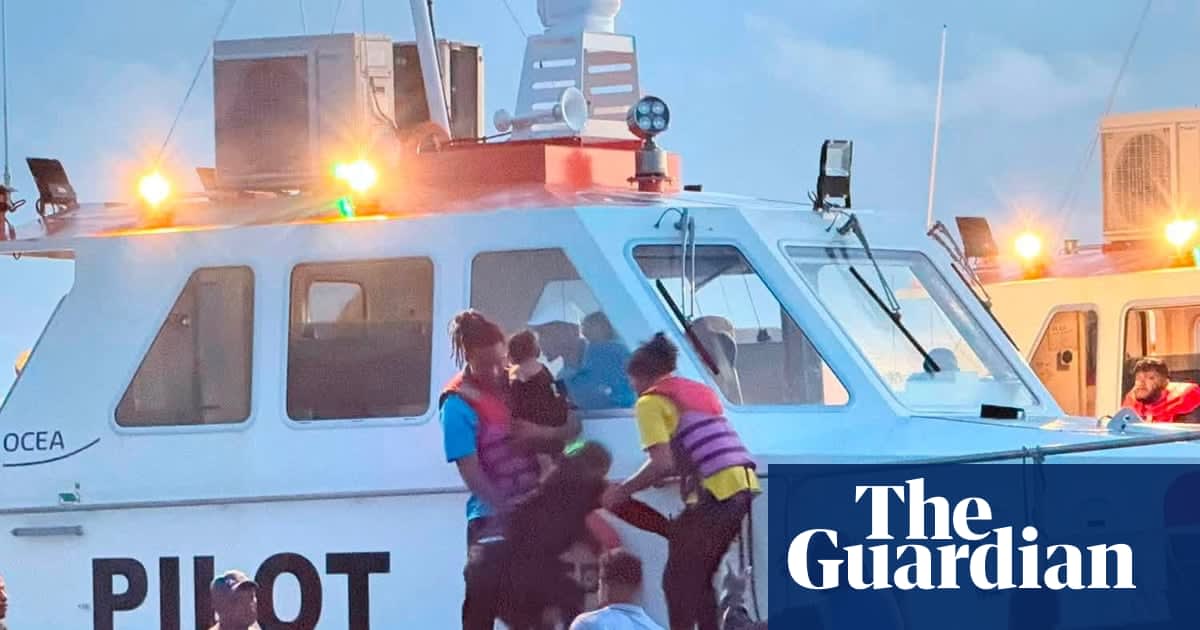
A ferry capsizing off the coast of Guyana has resulted in 72 confirmed deaths, with the total toll projected to reach 100. Multinational rescue teams are currently working to recover victims as the government vows to provide full support to the affected families.
A National Tragedy: The Guyana Ferry Disaster
The maritime accident involving a state-owned ferry off the coast of Guyana has emerged as a catastrophic event for the nation, with authorities confirming the death toll has reached 72. As the recovery operations continue, the government has projected that the final count of fatalities may rise to 100. This incident represents the most severe marine tragedy in the history of the South American country, underscoring the profound vulnerability of its coastal transit infrastructure.
The Scale of the Crisis
Out of the 179 passengers estimated to have been aboard the vessel, only 76 individuals have been successfully rescued. The discrepancy between the number of those rescued and the total passenger manifest highlights the extreme conditions under which the disaster occurred. The vessel, which remains partially submerged, has become the focal point of an intensive, multinational search and rescue effort aimed at locating the remaining missing passengers and providing closure to their families.
Government Response and Recovery Efforts
Prime Minister Mark Phillips has been at the forefront of the government’s response, explicitly stating that the search parameters have been expanded to ensure all victims are accounted for. The commitment to recover every individual reflects a broader governmental pledge to prioritize the dignity of the deceased and provide necessary support to the bereaved. By deploying significant resources and engaging international assistance, the administration is attempting to manage the logistical and emotional fallout of this disaster.
Infrastructure and Safety Implications
This incident raises critical questions regarding the safety standards of state-operated coastal transport. Given that this is the worst marine tragedy on record for Guyana, the event serves as a grim catalyst for a national review of maritime safety protocols. Historically, coastal ferry services in the region have been essential for connectivity, yet the reliance on such systems necessitates a higher threshold for maintenance, passenger safety, and emergency preparedness.
Looking Ahead: Policy and Reflection
Moving forward, the Guyanese government will likely face intense scrutiny regarding the cause of the capsizing and the adequacy of its current maritime oversight. The long-term impact on the affected communities will be significant, requiring sustained psychological and economic support. As the nation mourns, the focus remains on the ongoing recovery mission, but the shadow of this event will undoubtedly influence future maritime policy and infrastructure investments in Guyana for years to come.