Why there are still more Trump tariffs expected — even after this past week’s rollouts
Source Entity
Robert Schroeder
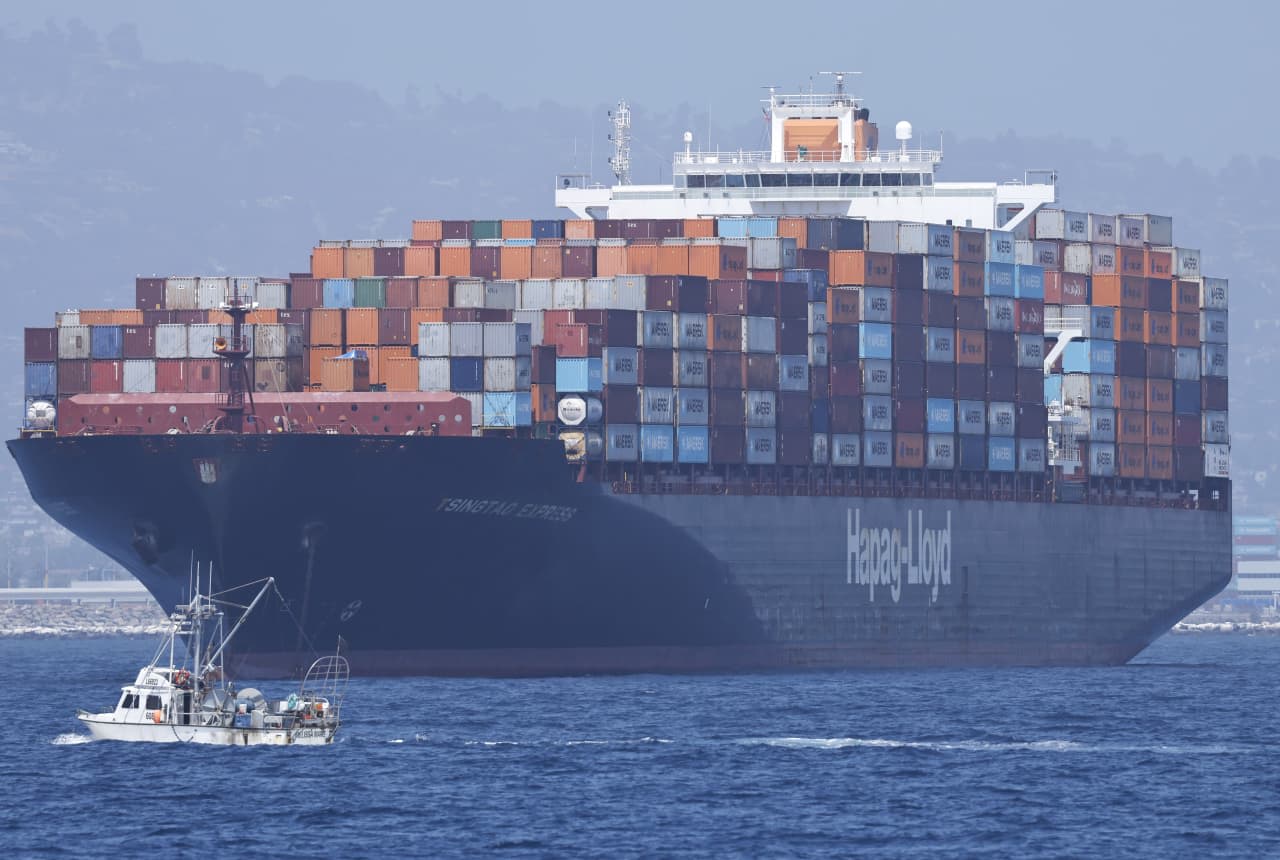
The Trump administration has signaled that its aggressive trade agenda will continue following the decision to maintain elevated tariffs on 60 economies. This move underscores a sustained commitment to protectionist policies despite recent developments.
The Persistence of Protectionist Trade Policy
The recent decision by the Trump administration to maintain elevated tariffs across 60 global economies marks a significant continuation of its protectionist trade strategy. While some observers may have viewed recent adjustments as a potential cooling-off period, this latest move confirms that the administration’s core philosophy regarding international trade remains unchanged. By sustaining these barriers, the U.S. government is reinforcing a structural shift in how it engages with global markets, prioritizing domestic leverage over traditional multilateral trade agreements.
Analyzing the Scope of the Tariff Regime
Targeting 60 economies simultaneously is a massive administrative and economic undertaking that reflects a departure from targeted, industry-specific trade interventions. This broad-based approach forces a wide array of international partners to contend with U.S. policy simultaneously, creating a ripple effect across global supply chains. The decision to keep these tariffs in place suggests that the administration views them not merely as temporary negotiating leverage, but as a long-term mechanism to address perceived trade imbalances and protect domestic industries from foreign competition.
Economic Implications for Global Markets
For the affected nations, the maintenance of these tariffs creates a climate of prolonged uncertainty. Businesses operating within these 60 economies must now factor these elevated costs into their long-term strategic planning, which may lead to shifts in manufacturing locations or a restructuring of export priorities. This environment often forces smaller economies to seek alternative trade alliances or to accept higher costs to maintain access to the U.S. consumer market, further entrenching the current administration's influence on global trade dynamics.
Historical Context and Strategic Intent
Historically, this aggressive use of tariffs represents a pivot away from the post-Cold War consensus of global economic liberalization. The Trump administration’s strategy is rooted in the belief that the global trading system has historically disadvantaged American manufacturers. By utilizing tariffs as a primary tool of statecraft, the administration is effectively re-writing the rules of engagement, forcing partners to renegotiate terms from a position of relative weakness compared to the American market.
Future Trends and Outlook
Looking ahead, it is highly probable that the administration will continue to leverage these tariffs as a cornerstone of its foreign policy. The fact that the trade fights are described as "far from over" indicates that these measures are likely to be expanded or modified depending on the concessions received from targeted economies. Investors and policymakers should anticipate a period of sustained trade volatility, as the U.S. maintains a firm stance on its protectionist agenda, ensuring that trade policy remains a central pillar of its geopolitical strategy for the foreseeable future.
Verification Required?