Puri resigns from Uttar Pradesh Rajya Sabha seat after being re-elected from MP
Source Entity
India Latest News: Top National Headlines Today & Breaking News | The Hindu
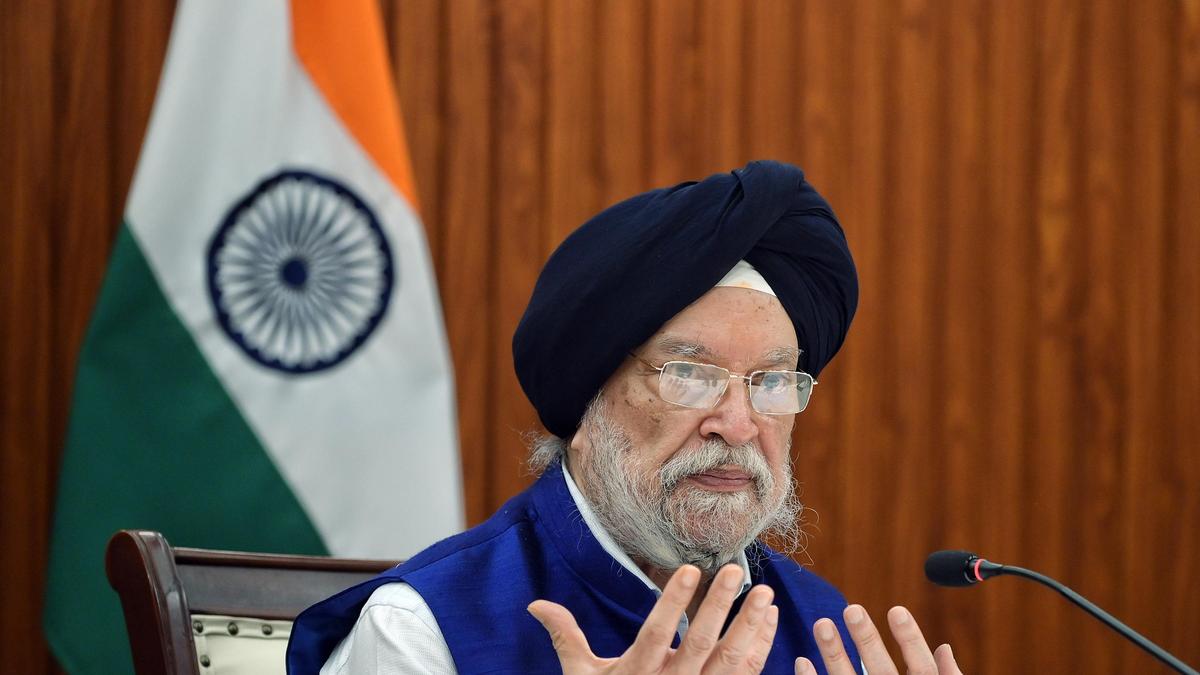
Union Minister Hardeep Singh Puri has resigned from his Rajya Sabha seat representing Uttar Pradesh following his unopposed re-election from Madhya Pradesh. The move aligns with the BJP's strategic reshuffling of leadership and long-term electoral planning.
Strategic Realignment: Hardeep Singh Puri’s Rajya Sabha Transition
Union Minister Hardeep Singh Puri has officially resigned from his Rajya Sabha seat representing Uttar Pradesh, a move that follows his recent unopposed election to the Upper House from Madhya Pradesh. This administrative shift was formalized after Rajya Sabha Chairman C.P. Radhakrishnan accepted his resignation. Mr. Puri’s tenure from the Uttar Pradesh constituency was scheduled to conclude on November 25, making this transition a timely maneuver within the legislative framework of the Indian Parliament.
The Mechanics of the Transition
The process of vacating a seat upon winning a new mandate is a standard procedure in parliamentary democracy to ensure that a member does not hold dual representation. By securing the Madhya Pradesh seat on November 5, Mr. Puri has extended his tenure in the Rajya Sabha significantly, with his new term now set to expire on April 2, 2030. Secretary General P.C. Mody issued the formal notification confirming the vacancy, ensuring that the legislative records remain accurate as the BJP optimizes its parliamentary presence.
Contextualizing the Madhya Pradesh Mandate
The seat now held by Mr. Puri in Madhya Pradesh was previously occupied by Union Minister L. Murugan. Mr. Murugan’s resignation from this specific seat was a calculated strategic move designed to bolster the Bharatiya Janata Party’s (BJP) organizational efforts in Tamil Nadu. By deploying experienced leaders to regions critical for the 2029 Lok Sabha elections, the party is signaling a long-term focus on expanding its electoral footprint in Southern India, where it seeks to improve its political standing.
Broader Political Implications
This resignation and re-election cycle underscores the fluid nature of party representation in the Upper House. For the BJP, the Rajya Sabha serves as a crucial platform for ensuring that key Union Ministers maintain their parliamentary standing while simultaneously balancing regional leadership requirements. The movement of Mr. Puri—a high-profile minister—from the Uttar Pradesh quota to a Madhya Pradesh seat reflects a broader internal strategy to manage ministerial portfolios alongside the demands of national and regional party growth.
Future Trends and Legislative Stability
Looking ahead, such transitions are expected to continue as political parties refine their strategies for the upcoming electoral cycles. By securing a tenure that runs until 2030, Mr. Puri is positioned to maintain continuity in his ministerial responsibilities without the immediate pressure of an impending term expiration. This stability is vital for the execution of long-term government policies, particularly in sectors where the Minister’s expertise is central to ongoing national development projects.
Conclusion
The resignation of Hardeep Singh Puri from his Uttar Pradesh seat is a procedural necessity that facilitates the BJP’s larger strategic objectives. By consolidating his position through the Madhya Pradesh seat until 2030, the government ensures legislative stability for one of its key ministers. This event highlights the interplay between parliamentary process, individual tenure, and the overarching political strategy aimed at the 2029 electoral landscape.
Verification Required?