HbA1c and anaemia: Why your blood sugar test may not tell the full story
Source Entity
The Indian Express
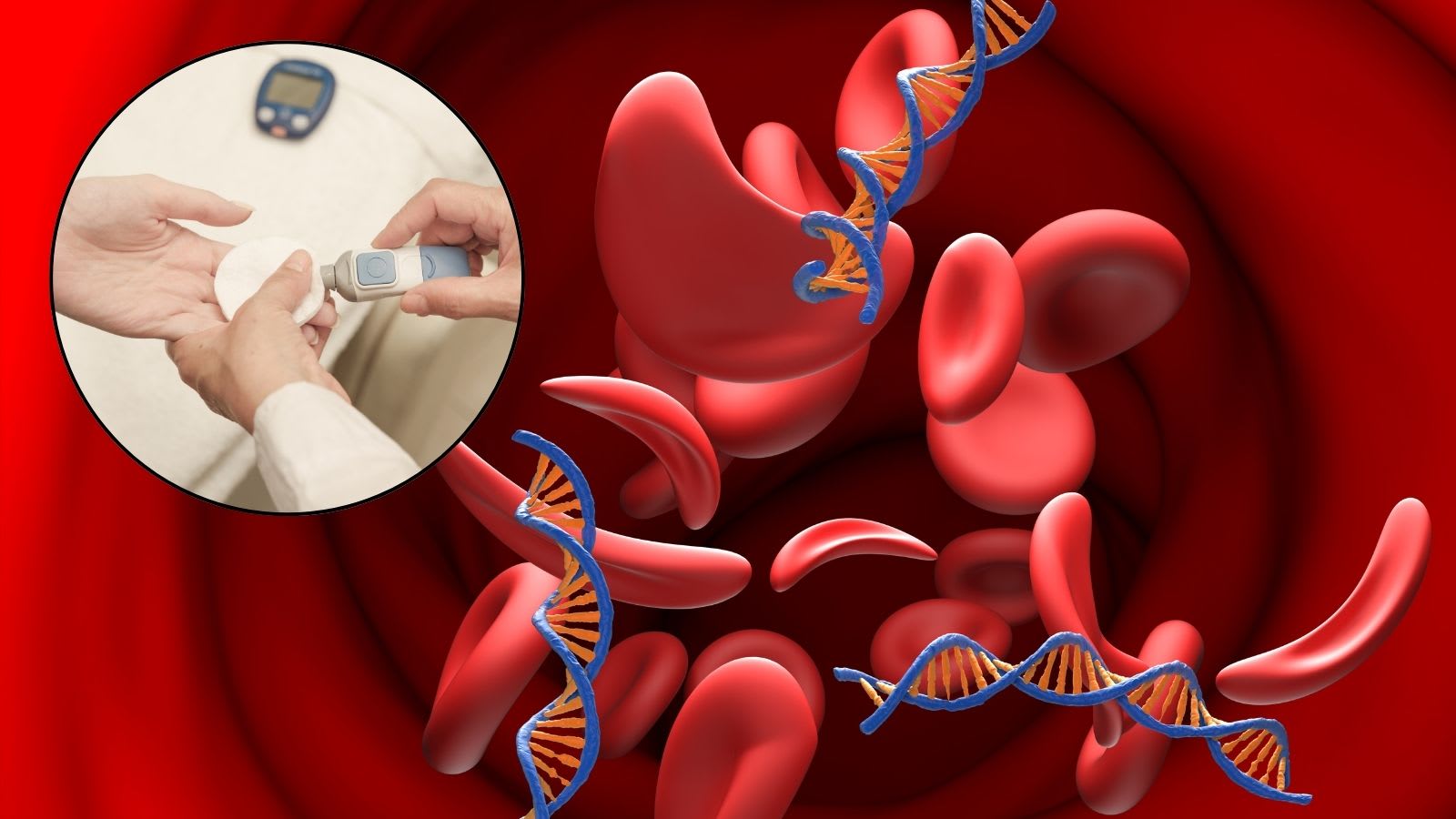
The HbA1c blood test, used for diabetes monitoring, may be inaccurate in patients with anaemia due to the test's reliance on red blood cell health. Patients with blood-related conditions should consult their doctors to determine if alternative glucose monitoring methods are necessary.
The Hidden Variable: HbA1c Accuracy and Anaemia
For millions of patients worldwide, the HbA1c test serves as the gold standard for long-term diabetes management. By measuring the percentage of glycated haemoglobin in the blood, the test provides a retrospective view of blood sugar control over the previous two to three months. However, recent medical discourse has highlighted a critical nuance: the test's reliance on the integrity of red blood cells means that underlying conditions, particularly anaemia, can significantly distort these results.
Understanding the Biological Mechanism
The HbA1c test functions by measuring how much glucose has attached to haemoglobin within red blood cells. Since these cells typically have a lifespan of approximately 120 days, the test acts as a biological ledger of a patient's average glycaemic state. When a patient suffers from anaemia—a condition characterized by a lack of healthy red blood cells or decreased haemoglobin—the turnover rate of these cells is often altered. If red blood cells are destroyed prematurely or replaced more rapidly than normal, the HbA1c test may provide a falsely low reading, potentially masking underlying hyperglycaemia.
The Clinical Implications of Misinterpretation
When a diagnostic tool is compromised by a secondary condition, the clinical risk is twofold. First, a falsely low HbA1c reading might lead clinicians to believe a patient’s diabetes is well-managed, potentially delaying necessary interventions or lifestyle adjustments. Conversely, if clinicians are unaware of the patient's anaemic status, they may fail to interpret the data within the correct physiological context. This underscores the necessity for a holistic approach to metabolic health, where blood counts are reviewed alongside glucose metrics.
Navigating Diagnostic Limitations
It is essential for both patients and healthcare providers to recognize that no single test is infallible under all physiological circumstances. In cases where anaemia is present, the standard HbA1c result may not tell the full story. Medical professionals may need to consider alternative monitoring strategies, such as frequent finger-prick blood glucose monitoring or other specialized markers, to ensure an accurate assessment of a patient's metabolic health.
Future Trends in Personalized Diagnostics
As precision medicine continues to evolve, the trend is moving away from 'one-size-fits-all' diagnostic thresholds. Future diagnostic protocols will likely emphasize the integration of complete blood counts (CBC) with metabolic panels to automatically flag discrepancies caused by haematological conditions. By adjusting for factors like cell lifespan and iron levels, the medical community can move toward more accurate, individualized diabetes management strategies.
Conclusion
While the HbA1c test remains a vital pillar of diabetes care, it is not an isolated metric. Patients living with anaemia must engage in proactive discussions with their healthcare providers to ensure their diagnostic results are being interpreted accurately. Always consult with a qualified health practitioner to determine the most reliable method for monitoring your blood sugar, ensuring that all aspects of your health profile are considered in your care plan.