From Hunger To Obesity: Developing World Faces Growing Threat To Child Health
Source Entity
NDTV News Search Records Found 1000
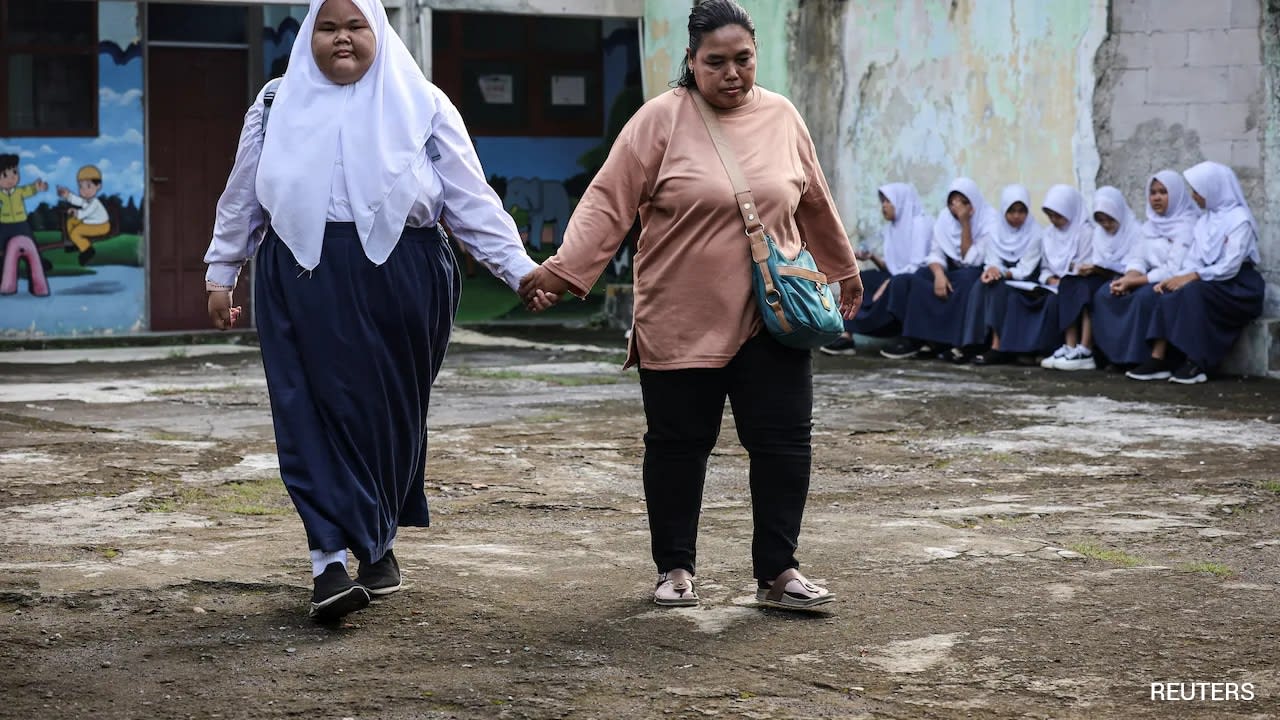
Rising obesity rates in Tonga and Samoa, particularly among girls, highlight a shifting health crisis in the developing world. This transition from undernutrition to obesity poses significant long-term public health challenges.
The Double Burden of Malnutrition: A Pacific Perspective
Recent data indicates a concerning shift in public health trends across the developing world, specifically within Pacific Island nations. Reports confirm that obesity rates are rising at an accelerated pace, with Tonga and Samoa emerging as the focal points of this trend, particularly among the female population. This development signals a profound transition in the nutritional landscape of these nations, moving away from traditional challenges of food scarcity toward the complex health risks associated with surplus caloric intake and poor nutritional quality.
Understanding the Shift in Tonga and Samoa
The rapid surge in obesity rates in Tonga and Samoa is not an isolated phenomenon but rather a reflection of broader global health shifts. Historically, these regions have grappled with the logistical and economic barriers to consistent food security. However, as global trade patterns have evolved, the increased availability of processed, calorie-dense, and nutrient-poor food imports has fundamentally altered local diets. This dietary transition is a primary driver behind the observed statistics, creating a 'double burden' where undernutrition and obesity coexist within the same communities.
The Specific Impact on Female Health
The data explicitly highlights that girls in Tonga and Samoa are experiencing the fastest increases in obesity rates. This gender-specific trend is critical for policymakers to address, as the health of young women has long-term implications for maternal health, reproductive outcomes, and the overall trajectory of non-communicable diseases in the region. Addressing this requires a nuanced understanding of sociocultural factors that influence dietary habits and physical activity levels among adolescent populations in these specific island contexts.
Broader Implications for Global Health Policy
The situation in Tonga and Samoa serves as a microcosm for the developing world's struggle with health transitions. As nations modernize, the lack of robust public health infrastructure to combat lifestyle-related diseases often leads to a rapid escalation in chronic conditions such as diabetes and hypertension. These trends suggest that standard international development frameworks, which have historically prioritized caloric quantity, must now pivot toward prioritizing nutritional quality and health education.
Future Trends and Strategic Interventions
Looking ahead, the trajectory of child health in these regions will depend heavily on the implementation of targeted nutritional policies. Future interventions will likely need to focus on taxing sugar-sweetened beverages, regulating the quality of imported food products, and fostering environments that promote physical activity. Without such systemic shifts, the rising obesity rates threaten to overwhelm local healthcare systems that are already managing the legacy of infectious diseases and limited resources.
Conclusion
In summary, the rapid rise in obesity among girls in Tonga and Samoa is a critical warning sign for the developing world. It underscores the urgent need for a comprehensive public health approach that addresses the root causes of the nutritional transition. By recognizing the specific vulnerabilities of these populations, global health organizations and local governments can begin to implement the structural changes necessary to reverse these trends and ensure healthier future generations.
Verification Required?