He woke up with palpitations, cold sweats and a sense of doom. Was it heart attack or a panic attack?
Source Entity
Dr Ranjan Shetty
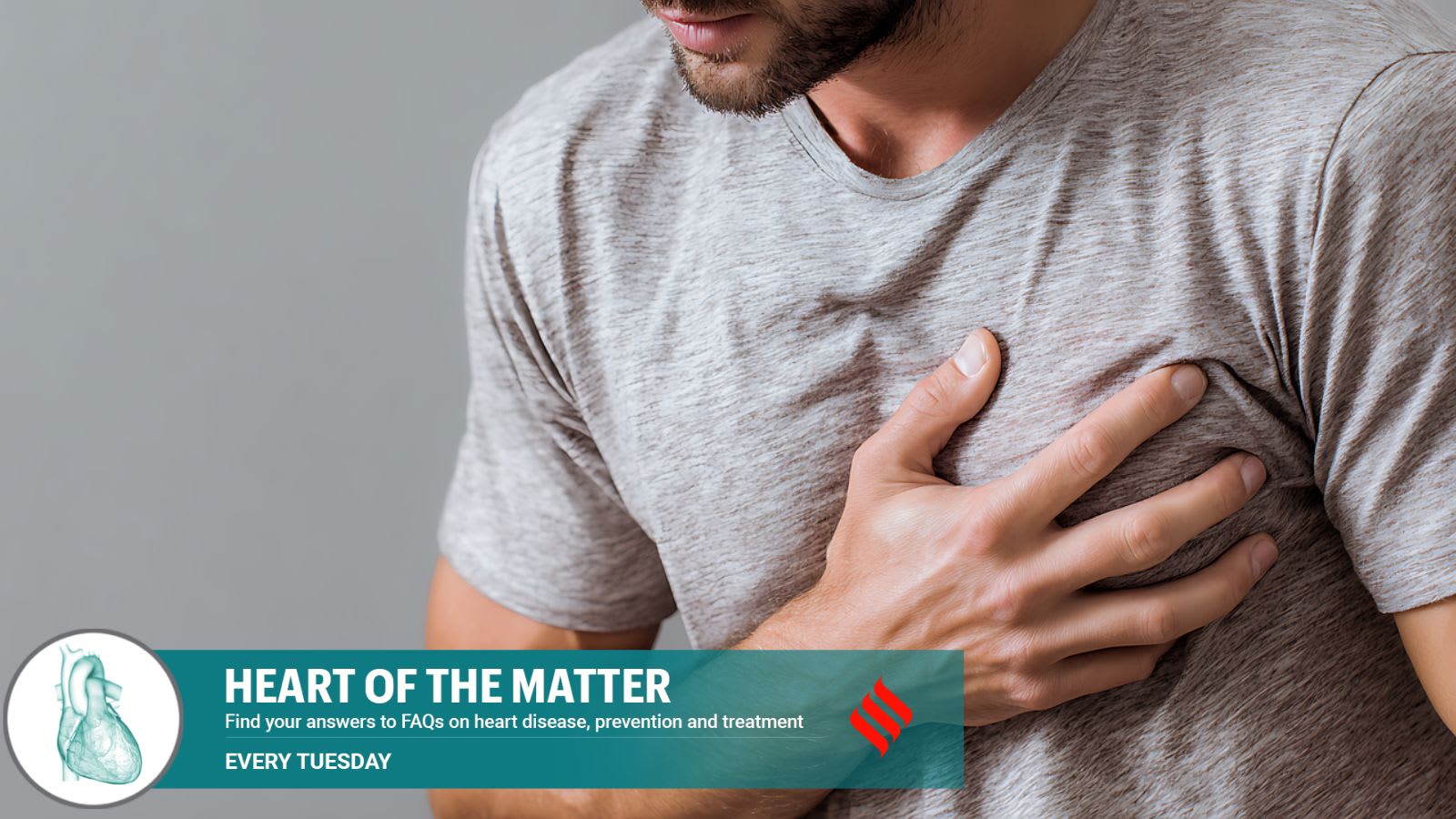
A 40-year-old man suffering from recurring palpitations and feelings of doom was repeatedly cleared of heart attack symptoms through rigorous testing. Medical professionals ultimately identified these episodes as panic attacks linked to underlying depression and sleep disturbances.
The Diagnostic Challenge: Heart Attack vs. Panic Attack
Recent clinical reports highlight a common yet distressing medical scenario involving a 40-year-old patient who presented with symptoms indistinguishable from acute cardiac distress. Upon waking, the patient experienced a racing heartbeat, cold sweats, and an overwhelming sense of impending doom. These physiological responses frequently mimic life-threatening conditions, leading patients to seek emergency care under the assumption of a cardiac event.
The Importance of Differential Diagnosis
When a patient arrives in the emergency department with palpitations, the primary objective is to rule out life-threatening pathologies. In this case, the patient underwent comprehensive cardiac evaluations, including the monitoring of cardiac markers and a CT coronary angiography. The fact that these tests returned normal results is crucial; it demonstrates the efficacy of modern diagnostic protocols in distinguishing somatic manifestations of psychological distress from actual structural heart disease.
The Role of Mental Health in Somatic Symptoms
The patient’s background of underlying depression and poor sleep hygiene provides critical context for these physical symptoms. Depression is not merely a mental state; it is often experienced as a systemic physical burden. When combined with sleep deprivation, the autonomic nervous system can become hypersensitive, leading to autonomic arousal—manifesting as the pounding heart and cold sweats described by the patient.
Understanding the Cycle of Health Anxiety
It is common for patients who experience panic to misattribute their physical symptoms to a heart condition. This misattribution creates a feedback loop: the fear of a heart attack triggers a stress response, which increases the physical symptoms, thereby reinforcing the fear. This cycle explains why the patient returned to the emergency department even after initial reassurances, as the physiological reality of the panic attack felt undeniably 'real' and dangerous.
Future Trends in Holistic Care
Moving forward, the integration of mental health screening within primary and emergency care settings is essential. Recognizing that unexplained physical symptoms in patients with a history of depression may be rooted in anxiety disorders can prevent unnecessary diagnostic testing and reduce the burden on emergency departments. Holistic treatment plans that address both the physical symptoms and the underlying psychological triggers are the most effective way to break the cycle of recurring panic.
Conclusion
This case serves as a vital reminder of the complex interplay between the mind and the body. While it is always prudent to rule out physical emergencies, the persistence of symptoms in the absence of cardiac findings points toward a need for psychological intervention. By identifying panic attacks early, clinicians can help patients manage their symptoms more effectively, ultimately improving their quality of life and reducing unnecessary medical anxiety.