'Matter Of National Economy Security': Rajnath Singh On Preventive Healthcare
Source Entity
NDTV News Search Records Found 1000
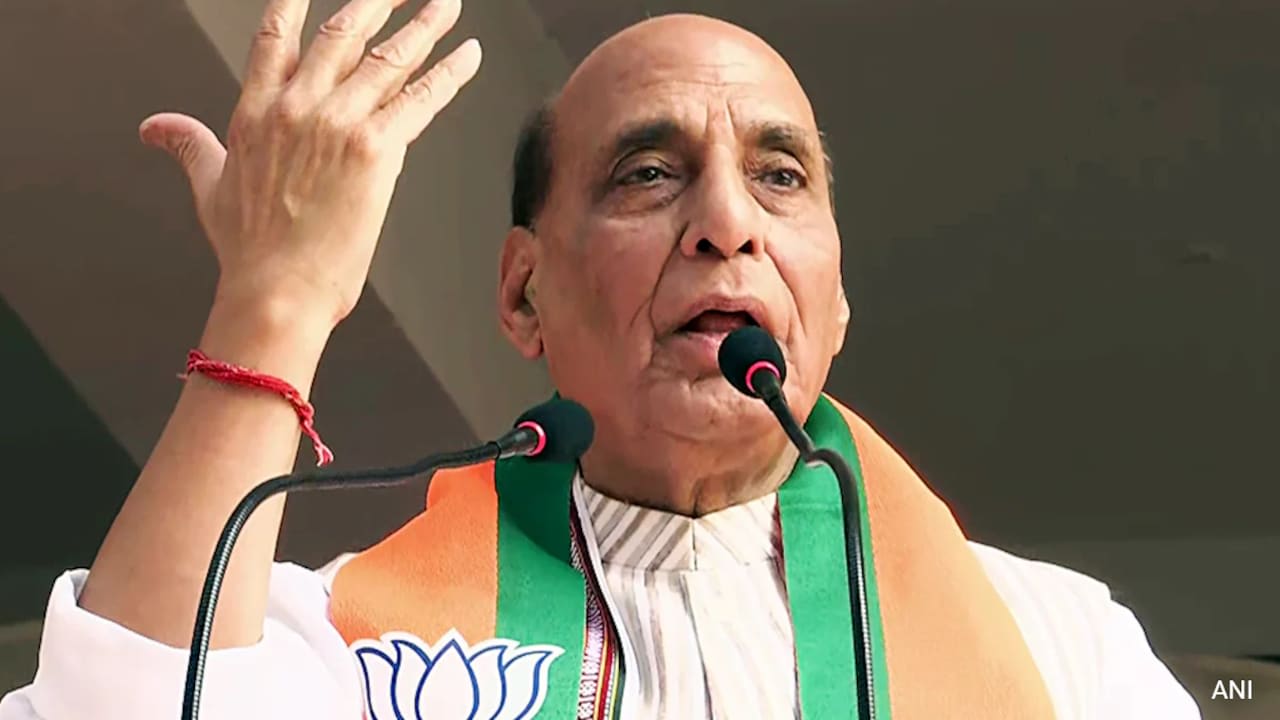
Defense Minister Rajnath Singh has emphasized the economic importance of preventive healthcare in India. He argued that focusing on wellness can bolster the nation's economic security by reducing the burden on the healthcare system.
The Intersection of Public Health and Economic Stability
Defense Minister Rajnath Singh’s recent remarks highlighting preventive healthcare as a matter of 'national economic security' underscore a growing paradigm shift in how Indian policymakers view the relationship between public wellness and fiscal health. By framing healthcare not merely as a social welfare concern but as a pillar of economic strategy, Singh is pointing toward the long-term sustainability of the national workforce.
The Economic Argument for Prevention
At its core, the argument posits that preventive medicine—which includes regular screenings, healthy lifestyle interventions, and early disease detection—is significantly more cost-effective than reactive, curative medicine. When a nation prioritizes prevention, it mitigates the massive financial strain placed on its healthcare infrastructure. For a developing economy like India, reducing the incidence of chronic illnesses is essential to maintaining high productivity levels and minimizing the out-of-pocket expenditure that often pushes households into poverty.
Strengthening National Security Through Wellness
While typically associated with military and border defense, the concept of 'national security' is increasingly being expanded to include economic resilience and human capital development. A healthy population is a more productive population, capable of sustaining industrial and technological growth. Singh’s perspective suggests that a robust preventive healthcare framework acts as an insurance policy against the systemic shocks that pandemics or widespread health crises can inflict upon the national economy.
Historical Context and Policy Evolution
Historically, India’s health policy has been heavily skewed toward curative treatments, often centralized in urban hospitals. However, the recent shift toward preventive care reflects a broader evolution in governance that mirrors global best practices. By emphasizing wellness, the government aims to decentralize health management, moving the focus from treating advanced-stage diseases to fostering a culture of health literacy and early intervention.
Future Trends in Public Health Policy
Looking ahead, we can expect to see more institutional integration between health and economic planning. Policymakers are likely to incentivize corporate wellness programs, expand community-based health monitoring, and increase investment in lifestyle-related disease education. This shift represents a proactive attempt to ensure that the demographic dividend of India is protected from the rising costs of preventable non-communicable diseases.
Conclusion
Rajnath Singh’s assertion reinforces the necessity of viewing health as a fundamental economic asset. By prioritizing preventive measures, India is laying the groundwork for a more resilient economy where the health of the citizen is directly proportional to the health of the state. Ultimately, this holistic approach could prove to be one of the most effective strategies for ensuring long-term national prosperity.
Verification Required?