How a new era of heatwaves could shake up the school calendar
Source Entity
BBC News
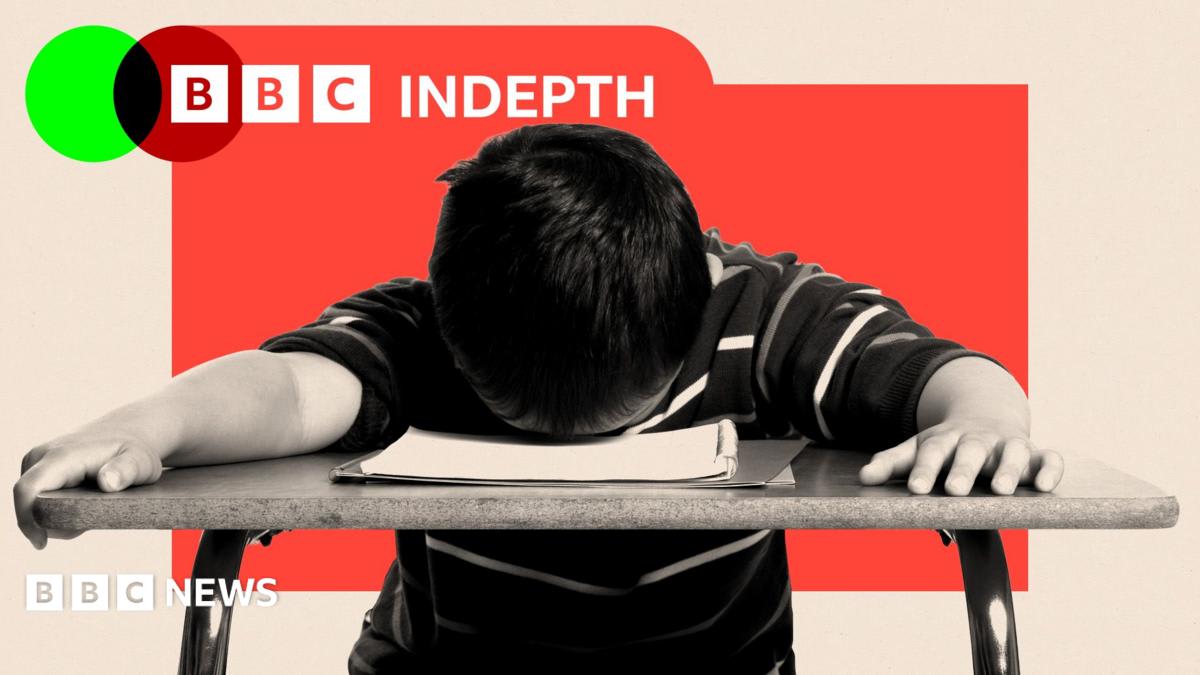
Increasingly severe heatwaves are challenging traditional school calendars across the UK and Europe. Educators and officials are considering structural shifts to avoid the stifling conditions of unventilated classrooms during peak summer temperatures.
The Climate Crisis and the Classroom
The return to school for millions of students across the United Kingdom and Europe has been marked by a growing tension between traditional academic schedules and the reality of a warming climate. In Scotland, children have already returned to their desks after a summer break spanning from late June to mid-August. However, this structure stands in stark contrast to schools in England, Wales, and Northern Ireland, where pupils remain out of the classroom until early September. This discrepancy highlights a critical vulnerability in educational infrastructure as summer heatwaves become more frequent and intense.
The Failure of Legacy Infrastructure
For decades, the standard school calendar in England and Wales has seen children remain in classrooms until late July. Historically, this posed little risk to student well-being; however, as global temperatures rise, these late-summer weeks have become hazardous. Many schools, particularly older buildings, were designed without modern climate control systems. When external temperatures climb to 30C or higher, the lack of air conditioning and poor ventilation turn classrooms into heat traps, making them physically unsuitable for learning.
A Pattern of Disruption
The structural inadequacy of these buildings has led to tangible educational disruption. Recent data indicates that over 1,000 schools across the UK were forced to either close their doors entirely or send pupils home early due to the stifling internal temperatures. This represents a significant loss of instructional time and places an undue burden on working parents and families who must scramble to find childcare on short notice. The reliance on passive cooling methods, which are becoming increasingly ineffective, suggests that the current model is no longer sustainable.
Broader Implications for Education Policy
This crisis is forcing a reassessment of the academic calendar. Policymakers are now faced with the challenge of balancing historic traditions with the safety requirements of a 21st-century climate. If extreme heat events continue to become the norm rather than the exception, the pressure to shift the school year—perhaps by starting earlier in August and ending earlier in July—will likely intensify. Such a shift would require a major overhaul of administrative, transport, and family planning systems across the UK.
Future Trends and Resilience
Looking ahead, the education sector must grapple with two primary paths: architectural adaptation or schedule modification. Retrofitting thousands of schools with modern HVAC systems is a prohibitively expensive prospect for many local authorities. Consequently, a permanent shift in the academic calendar may emerge as the most pragmatic, albeit disruptive, solution. As heatwaves continue to threaten the continuity of education, the debate over how we define the school year will become a central theme in national policy discussions, reflecting the broader societal shift required to adapt to a changing planet.