The grieving family who says the coroner's courts aren't working
Source Entity
BBC News
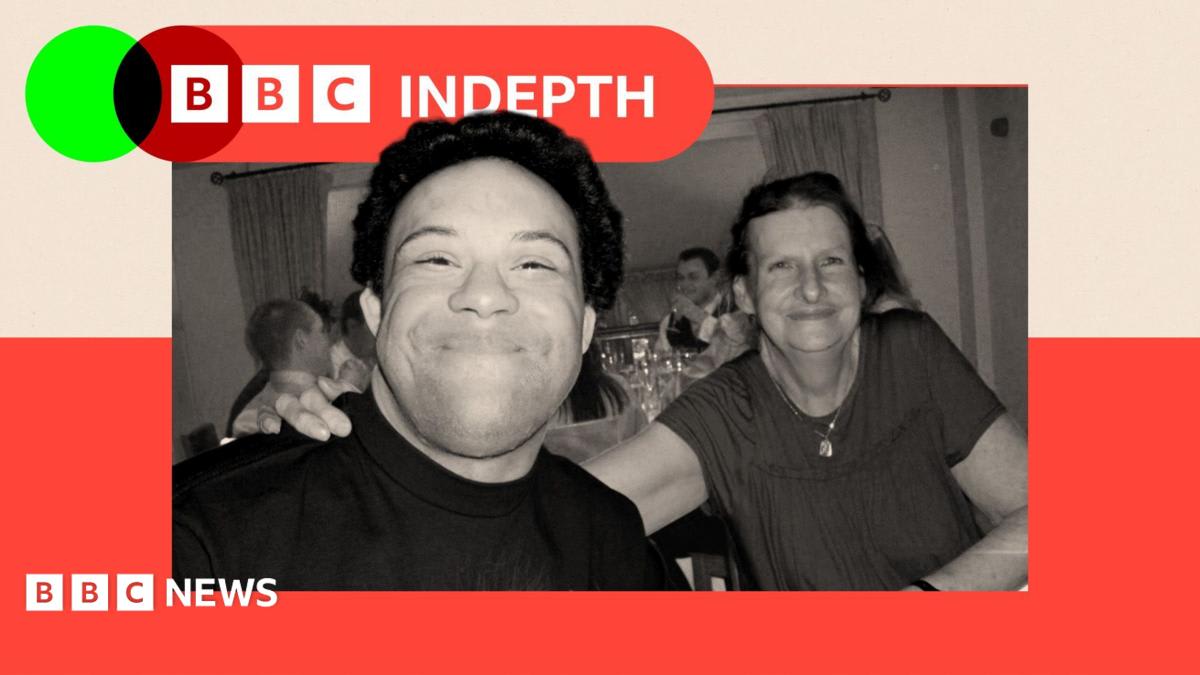
The UK's coroner's court system is facing scrutiny after a grieving family described the inquest process as hostile and overwhelming. The case of Daniel Lindsay highlights systemic strains within the legal framework intended to investigate unexpected deaths.
The Crisis of Compassion: Assessing the UK Coroner System
A Personal Ordeal in the Legal System
The recent account of Sarah, a murder detective, navigating the coroner’s court in Woking, Surrey, following the 2023 death of her cousin, Daniel Lindsay, brings into sharp focus the profound disconnect between the intended purpose of inquests and the lived experience of bereaved families. Despite her professional background in criminal justice, Sarah reported feeling 'railroaded' and described the atmosphere as 'hostile.' This dissonance suggests that the judicial environment, which is meant to provide closure and clarity regarding unexpected deaths, may instead be exacerbating the trauma of those already in the midst of profound grief.
Contextualizing the Vulnerability of Inquest Subjects
Daniel Lindsay, who was 41 years old and lived in a specialist care facility in Surrey, faced unique health challenges, including Down Syndrome and type 1 diabetes. When an individual with complex needs dies unexpectedly, the subsequent inquest is not merely a formality; it is a critical investigative tool designed to identify potential systemic failures or lapses in care. However, when families—who are often the primary advocates for the deceased—feel alienated or intimidated by the court process, the integrity of the investigative mission is compromised.
Structural Strains and Procedural Friction
The case of the Lindsay family is indicative of mounting pressures on the UK coroner’s court system. Coroner’s courts operate under a unique set of inquisitorial rules that differ significantly from the adversarial nature of criminal courts, yet the perception of being 'on trial' remains a recurring complaint. This tension often arises from the inherent difficulty of balancing the need for rigorous legal inquiry with the sensitivity required when dealing with families who are seeking answers rather than litigation.
The Need for Procedural Reform
The experience described by the Lindsay family raises critical questions about the accessibility and human-centric design of the UK’s judicial system. If a professional accustomed to the rigors of legal proceedings finds the coroner’s court hostile, it is reasonable to infer that members of the general public may find the process even more opaque and distressing. Addressing these strains requires a shift toward a more trauma-informed approach that prioritizes transparency and supportive communication without sacrificing the legal necessity of finding the truth.
Future Implications for Investigative Oversight
As the UK looks toward the future of its legal and social care oversight, the experiences of families like the Lindsays serve as a vital metric for reform. If the inquest process is to remain a credible mechanism for accountability, it must evolve to ensure that the search for the truth does not come at the cost of the families’ well-being. Future trends in this sector will likely necessitate better training for court staff in communication and a re-evaluation of how inquests are conducted to ensure they remain a source of justice rather than a source of secondary trauma.