Sumit Sarkar (1939-2026): Historian, constant rebel whose work reshapes the future
Source Entity
The Indian Express
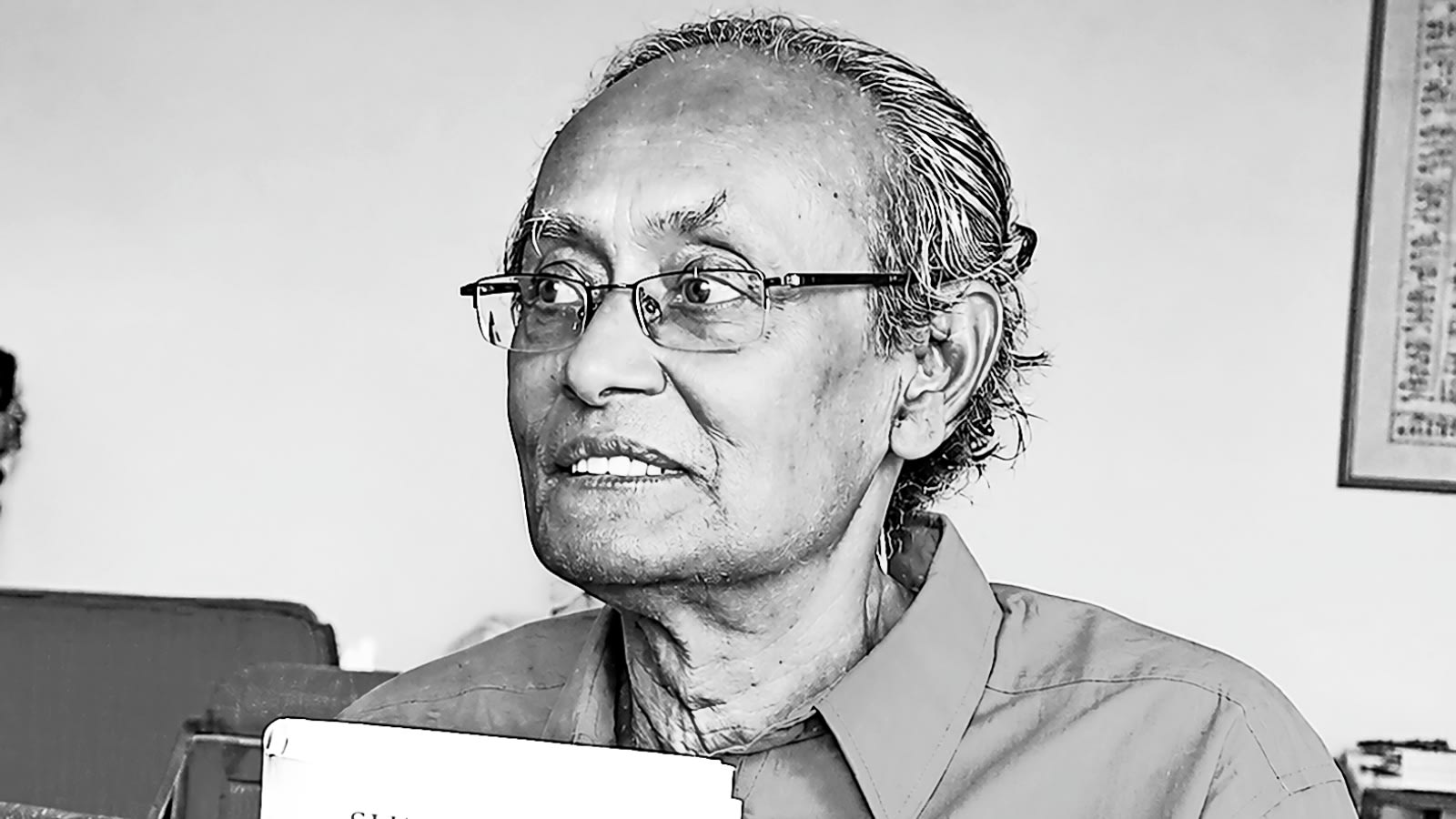
Renowned historian Sumit Sarkar passed away on August 13, 2026, at the age of 87. He was a pivotal figure in the Subaltern Studies Collective, which fundamentally reshaped the academic approach to understanding Indian history.
The Legacy of Sumit Sarkar: A Historian of the People
The academic world recently mourned the loss of Sumit Sarkar, a titan of Indian historiography who passed away on August 13, 2026, at the age of 87. Sarkar’s career was defined by a profound commitment to challenging traditional narratives, focusing instead on the lived experiences of those often sidelined in mainstream historical accounts.
The Sussex Connection: Foundations of Subaltern Studies
The intellectual trajectory of Sarkar is inextricably linked to the late 1970s in Sussex, England. It was during this period of intense academic exchange that Sarkar engaged in deep, late-night conversations with Ranajit Guha, the founding father of the Subaltern Studies Collective. These discussions, which Sarkar later described as leaving him "practically spellbound," provided the fertile ground for a seismic shift in how South Asian history would be analyzed for decades to come.
Reshaping the Historical Narrative
Before the rise of the Subaltern Studies movement, Indian history was largely dominated by elite-centric narratives. The collaboration between figures like Guha and Sarkar sought to document the "anger" and "quiet rebellions" of the Indian peasantry. By moving the focus from colonial administrators and nationalist elites to the subaltern classes, Sarkar helped pioneer a methodological framework that prioritized the agency of the masses.
A Collective Transformation
When the first volume of Subaltern Studies: Writings on South Asian History was published in 1982, it marked a formal departure from conventional historiography. Sarkar was a central figure in this collective, which sought to recover the history of the marginalized. This movement did not merely document the past; it challenged the colonial and post-colonial structures of power by validating the political consciousness of the peasant and the laborer.
The Enduring Impact of a Constant Rebel
Sarkar’s work was characterized by a spirit of constant rebellion against established academic norms. His contributions have left an indelible mark on the discipline, ensuring that future historians must grapple with the complexities of social history rather than relying on top-down chronicles. As we reflect on his passing, it is clear that Sarkar’s legacy lies in his ability to force a re-examination of the past, permanently altering the lens through which we view Indian societal evolution.
Conclusion: A Lasting Scholarly Contribution
Sumit Sarkar’s life was a testament to the power of intellectual rigor and the importance of listening to the voices of the unheard. By centering the subaltern, he provided a roadmap for understanding the deep-seated grievances and aspirations that have shaped the modern Indian state. His death marks the end of an era, yet his scholarship remains a cornerstone of historical inquiry.