Trump seeks greater economic pressure on Iran: What are his options?
Source Entity
The Indian Express
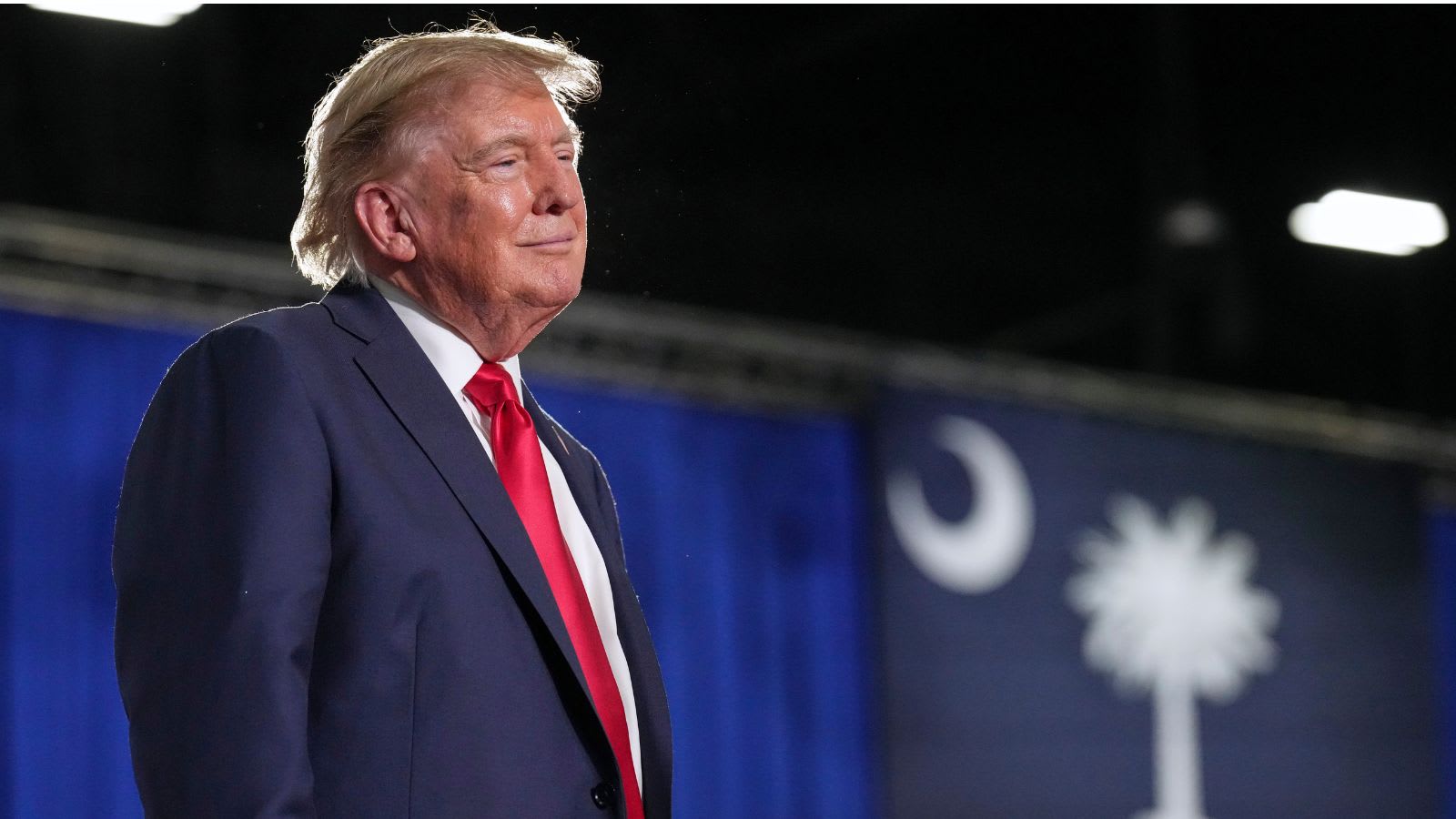
President Donald Trump plans to escalate economic pressure on Iran through unprecedented new sanctions as announced by Treasury Secretary Scott Bessent. This move marks a significant intensification of existing measures, including a naval blockade, following the outbreak of conflict in early 2026.
The Escalation of Economic Warfare: Assessing the New Iran Strategy
President Donald Trump has recently signaled a significant shift in U.S. foreign policy, pledging to exert unprecedented economic pressure on Iran. This commitment, reinforced by Treasury Secretary Scott Bessent’s announcement of upcoming measures described as actions that have “never been seen,” suggests a move toward total economic isolation of the Iranian state. As the administration prepares to unveil these policies, the global community is bracing for the potential fallout of what appears to be an aggressive intensification of existing diplomatic and financial hostilities.
A Legacy of Sanctions and Contemporary Conflict
The history of U.S.-Iran relations has been defined by decades of restrictive measures. Since the late 1970s, the United States, in conjunction with the United Nations and the European Union, has utilized a toolkit of trade embargoes, asset freezes, and targeted sanctions to curb Iran’s nuclear ambitions, influence in the region, and human rights practices. However, the current geopolitical environment is vastly different; the onset of the Iran war in February 2026 has fundamentally altered the strategic calculus, transitioning from traditional diplomatic pressure to active kinetic and economic warfare.
The Mechanics of the New Pressure Campaign
The mention of "never been seen" measures implies that the Treasury Department is likely exploring advanced financial engineering, potentially targeting secondary markets or cutting off remaining access to international banking conduits that have previously remained porous. By building upon the existing framework of maritime, energy, and financial sanctions, the administration is attempting to systematically dismantle the Iranian economy’s ability to sustain military operations. The addition of a naval blockade further signifies a shift toward physically restricting the flow of goods, effectively turning economic policy into a frontline military strategy.
Broader Geopolitical Implications
This aggressive stance carries profound risks for global energy markets and regional stability. Iran’s role in the global energy supply chain remains a critical variable, and any further tightening of sanctions on the energy sector is likely to cause significant market volatility. Furthermore, the reliance on a naval blockade suggests an increased risk of maritime confrontation in the Persian Gulf. As the U.S. moves to implement these measures, the international community, particularly the European Union, will face mounting pressure to choose between adhering to U.S. mandates or maintaining their own diplomatic channels with Tehran.
Future Trends and Strategic Outlook
Looking forward, the success of this strategy will depend on the degree to which the U.S. can maintain a unified front among its allies. If these measures are truly unprecedented, they may invite retaliatory cyber or proxy actions, potentially escalating the conflict beyond current boundaries. The trajectory of this policy suggests that the Biden-era or preceding diplomatic frameworks are being permanently discarded in favor of a "maximum pressure" doctrine that views economic strangulation as the primary tool for regime containment. The coming weeks will be pivotal in determining whether this strategy forces a change in Tehran's behavior or leads to a deeper, more protracted regional crisis.