Leopard burnt alive after getting trapped in farm snare in Karnataka, 3 arrested
Source Entity
Latest News: Todays Latest News Headlines from India & World | Hindustan Times | Hindustan Times
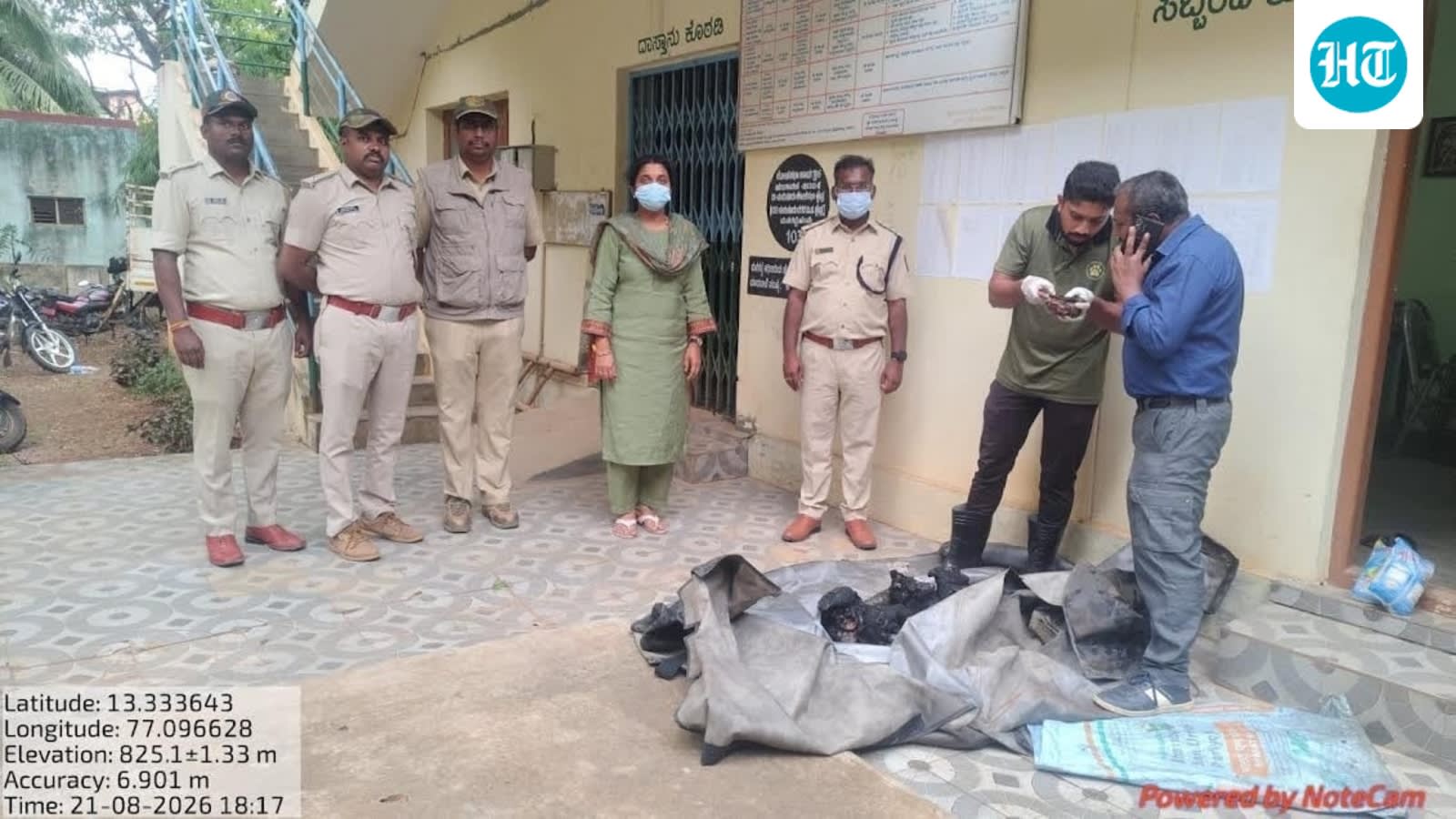
Three individuals have been arrested in Karnataka after a leopard was trapped in a wire snare and burnt alive on farmland. The incident, which was filmed and circulated on social media, has triggered widespread public outrage and an ongoing investigation.
The Tragic Killing of a Leopard in Karnataka: A Conflict of Coexistence
The Incident and Legal Aftermath
In a disturbing display of wildlife cruelty, three men—GD Shivakumar, Narayanappa, and Chandrashekar—were arrested in the Tumakuru district of Karnataka for trapping and burning a leopard alive. The incident, which took place on farmland owned by Narayanappa, came to light after video footage of the act was circulated on WhatsApp. The Forest Department has confirmed that the accused are currently in judicial custody, with officials signaling that further arrests may be imminent as the investigation into this targeted act of violence deepens.
Human-Wildlife Conflict and Economic Desperation
At the core of this tragedy lies a intensifying struggle between local farmers and the encroaching wildlife population. Narayanappa, the owner of the farmland, reported that his ragi crops had been severely damaged by wild boars, peacocks, and leopards descending from the nearby hills. This economic pressure often creates a volatile environment where farmers feel forced to take the law into their own hands to protect their livelihoods, leading to the deployment of illegal wire snares—a practice that is both inhumane and strictly prohibited under Indian wildlife protection laws.
The Role of Social Media in Accountability
The fact that this incident was filmed and shared on social media acted as a double-edged sword. While the video served as the primary catalyst for public outrage and immediate law enforcement intervention, it also highlights a disturbing trend where acts of animal cruelty are documented for digital dissemination. This documentation ensured that the Forest Department had tangible evidence to proceed with arrests, potentially preventing similar future acts by setting a legal precedent for those who believe such cruelty can be carried out with impunity.
Environmental and Ethical Implications
Burning a protected species alive represents an extreme escalation in human-wildlife conflict. Leopards are apex predators that play a vital role in maintaining the ecological balance of the hill regions. When farmers resort to lethal snare traps, they not only violate the Wildlife Protection Act but also disrupt the delicate biodiversity of the region. The destruction of crops by wild animals is a legitimate agricultural challenge, yet the response demonstrated here signifies a breakdown in the communication between conservation authorities and local agrarian communities.
Future Trends and Mitigation Strategies
As human populations expand and agricultural footprints grow, the overlap between human settlements and wildlife corridors is becoming increasingly dangerous. To prevent future incidents, authorities must prioritize non-lethal mitigation strategies, such as the installation of solar-powered fencing or providing compensation packages for crop loss to reduce the incentive for farmers to set illegal snares. Without structural changes to how wildlife damage is managed at the grassroots level, the risk of retaliatory killings remains high, threatening both the agricultural security of farmers and the survival of local leopard populations.
Verification Required?