5.9 Magnitude Earthquake Shakes Northeast Japan, Over 30 Injured
Source Entity
NDTV News Search Records Found 1000
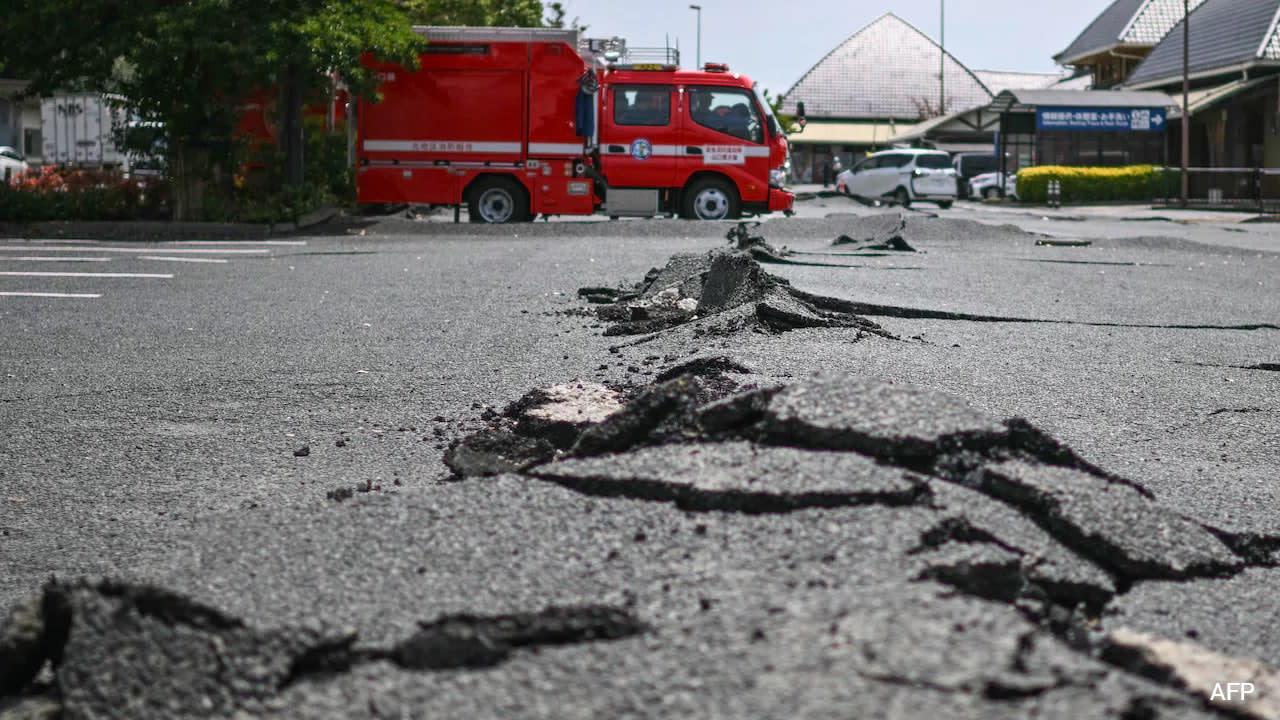
A 5.9 magnitude earthquake struck the Tokyo region, resulting in at least 23 injuries across four prefectures. Emergency services are monitoring the situation as authorities assess the impact of the tremor.
Seismic Activity in the Tokyo Metropolitan Area
A significant seismic event occurred recently when a 5.9 magnitude earthquake struck the Tokyo region, triggering widespread concern and immediate emergency responses. The tremor, which affected multiple prefectures, serves as a stark reminder of the volatile geological environment that characterizes the Japanese archipelago. While a 5.9 magnitude event is considered moderate on the Richter scale, its occurrence in a densely populated urban center like Tokyo inevitably leads to heightened risks regarding infrastructure and human safety.
Impact and Human Cost
Preliminary reports confirm that at least 23 individuals sustained injuries across four different prefectures in the greater Tokyo area. These injuries, ranging from minor to potentially serious, highlight the immediate dangers posed by falling objects, structural instability, and the chaotic nature of rapid evacuations in high-density environments. Emergency services have been deployed to assess damage and provide medical assistance to those affected, emphasizing the importance of rapid response protocols in disaster-prone regions.
The Geopolitical and Infrastructure Context
Japan sits at the intersection of several tectonic plates, making it one of the most seismically active nations on Earth. The structural integrity of Tokyo’s infrastructure is designed to withstand significant seismic force; however, even moderate quakes can cause localized damage that disrupts daily life and transit systems. This event underscores the ongoing necessity for rigorous building codes and public preparedness campaigns that have become a hallmark of Japanese civil engineering.
Broader Implications for Urban Safety
The frequency of such tremors necessitates a constant evolution in disaster management strategies. Beyond the physical injuries reported, earthquakes in the Tokyo region often lead to temporary shutdowns of public transportation, power outages, and supply chain interruptions. The resilience of the metropolitan area is tested every time the ground shifts, forcing authorities to continuously refine their evacuation routes and emergency communication networks to minimize long-term disruption.
Future Trends and Preparedness
As climate change and shifting tectonic pressures continue to influence geological stability, the Japanese government remains committed to investing in early warning systems and deep-earth monitoring technologies. The goal is to provide seconds of critical warning that can save lives by automatically halting trains and utility infrastructure. Looking forward, the focus will remain on urban densification safety and the retrofitting of older structures to ensure that the human cost of these inevitable geological events continues to decline over time.
Verification Required?