'Masters in our own home': Canada PM Carney explains why talks with US were suspended
Source Entity
SHIVANGHI PAYAL
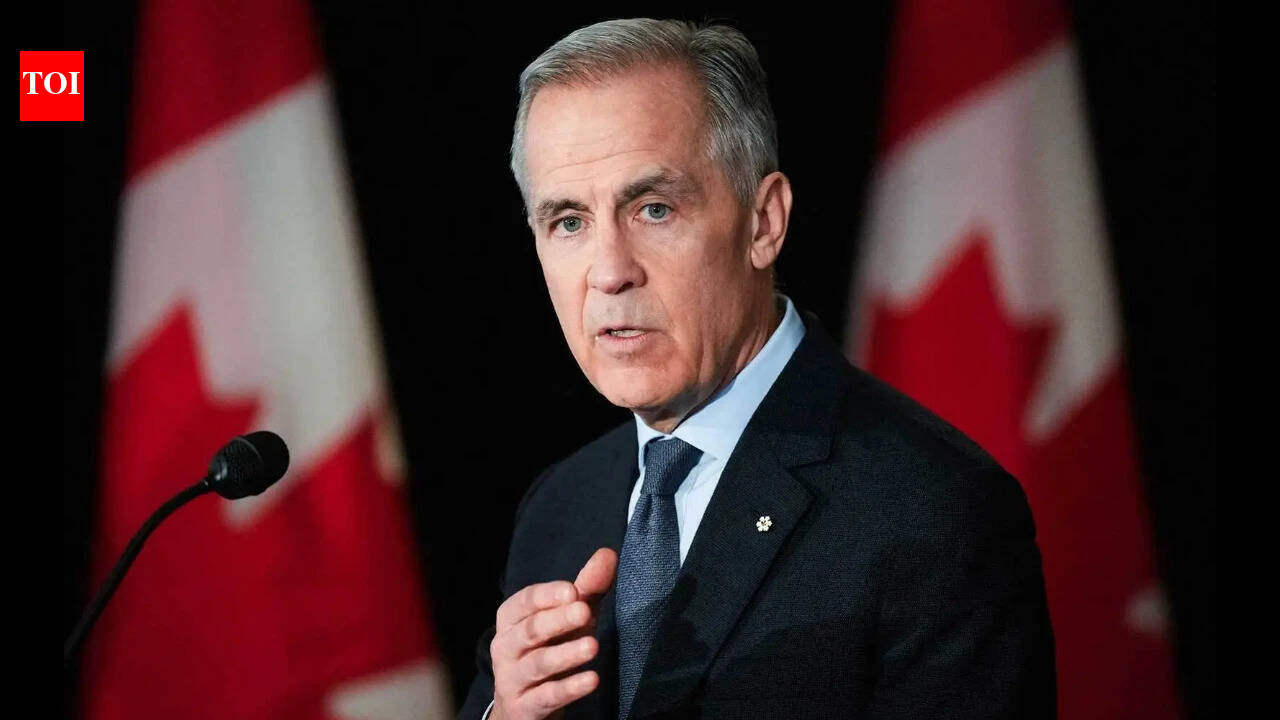
The US is set to impose 50% tariffs on $20 billion of Canadian imports after trade negotiations collapsed. In response, Prime Minister Mark Carney has suspended talks and vowed to retaliate with equivalent dollar-for-dollar tariffs.
Trade Tensions Escalate: US-Canada Relations Reach a Breaking Point
In a dramatic turn of events, the long-standing economic partnership between the United States and Canada has fractured, with the U.S. government announcing a 50% tariff on $20 billion worth of Canadian imports. This policy, set to take effect at 12:01 am on Saturday, represents a significant departure from the historical trade cooperation between the two North American neighbors. The tariffs target a broad spectrum of goods, including essential commodities like plywood, liquor, electrical equipment, and even hockey gear.
The Collapse of Negotiations
The breakdown occurred following last-minute disagreements over proposed trade terms. Despite earlier optimism—with President Donald Trump noting that a deal should be achievable—Prime Minister Mark Carney characterized the final U.S. demands as “unfair” and “uneconomic.” The failure to reach a consensus has led to the immediate suspension of all trade negotiations, with Canada recalling its diplomatic team to Ottawa. The U.S. Trade Representative, Jamieson Greer, confirmed that Canada declined to finalize the deal, citing the unreliability of the proposed terms.
Canada’s Retaliatory Stance
In a clear signal of resolve, Prime Minister Carney has announced that Canada will not remain passive. The government has vowed to match the U.S. tariffs “dollar for dollar.” This retaliatory measure is intended to protect Canadian industries while signaling that Canada will not accept terms that jeopardize its domestic economic objectives, specifically those aimed at shielding small and medium-sized businesses from unfavorable trade conditions.
Economic and Strategic Implications
This dispute marks a critical shift in the North American trade landscape. For 18 months, Canada has been pivoting toward diversifying its international partnerships and strengthening domestic growth. The imposition of these tariffs serves as a catalyst for this strategy, as Canada attempts to reduce its reliance on the U.S. market. The uncertainty generated by this friction poses risks to supply chains that have been deeply integrated for decades, potentially impacting inflation and consumer prices across both nations.
A Future of Uncertainty
The abrupt end to these negotiations reflects a deepening strain in relations between two historic allies. By questioning the reliability of U.S. trade proposals, Canada has signaled that it is prioritizing long-term economic sovereignty over a potentially disadvantageous deal. As both nations prepare for the impact of these tariffs, the focus will likely shift toward how each country manages the internal political fallout and whether any path to resuming productive dialogue remains viable in the current climate.
Conclusion
The current trade impasse between the United States and Canada represents a watershed moment in bilateral relations. With 50% tariffs looming and a retaliatory trade war imminent, the economic stability of the region faces unprecedented pressure. Whether this leads to a permanent restructuring of North American trade or a eventual reconciliation remains to be seen.
Multiple Citing Sources