"Will Be Enemy": Iran Warns Countries Against Joining Trump's "Economic War"
Source Entity
NDTV News Search Records Found 1000
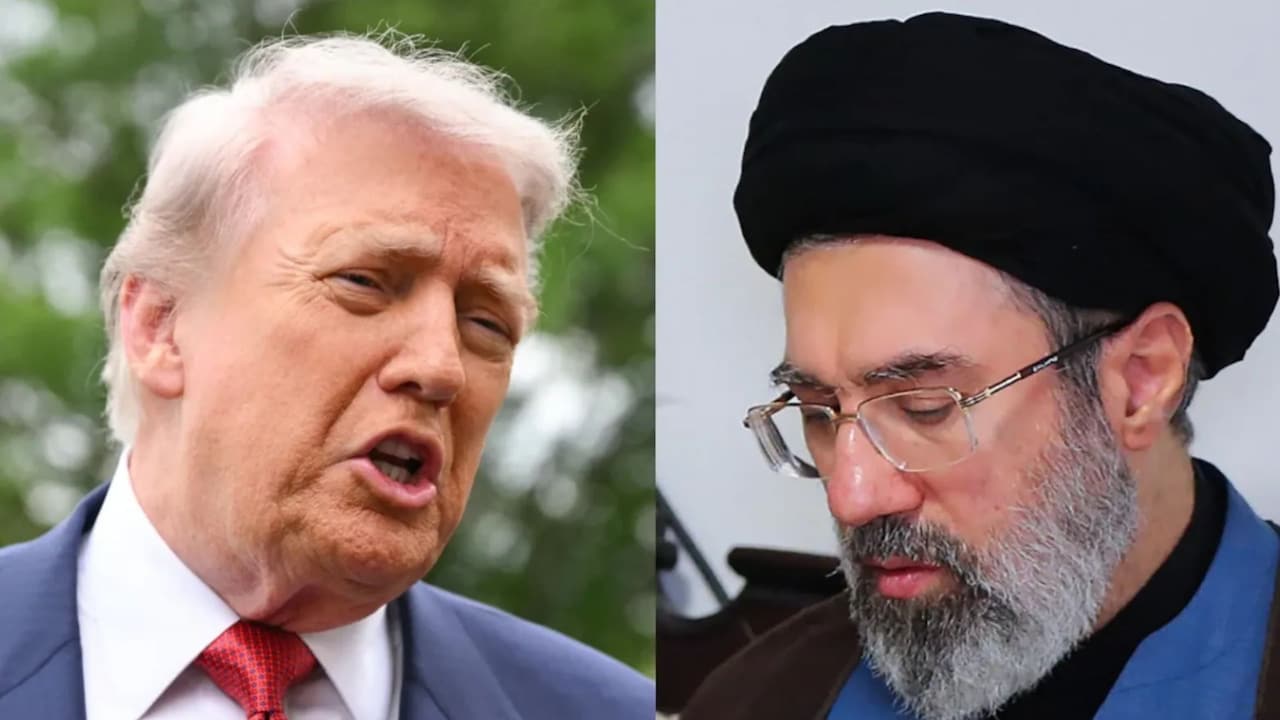
Iran has issued a stern warning to neighboring nations against participating in the United States' economic pressure campaign. Tehran maintains that it retains significant strategic leverage to counter these ongoing tensions.
Tensions Escalate: Iran’s Warning Against US Economic Pressure
Recent statements from Iranian officials indicate a significant hardening of rhetoric regarding the ongoing economic confrontation with the United States. By explicitly warning regional countries against aligning with Washington's “economic war,” Tehran is signaling a shift toward a more aggressive diplomatic and strategic posture. This development underscores the precarious nature of geopolitical alliances in the Middle East, where nations often find themselves caught between the competing interests of global superpowers and regional power brokers.
The Strategic Calculus of Economic Warfare
The core of the conflict lies in the utilization of economic sanctions as a primary tool of statecraft. For Iran, the classification of these measures as an “economic war” reflects the severity of the impact on its domestic economy and its perception of the US strategy as an existential threat. By urging neighboring states to remain neutral, Iran is attempting to prevent the solidification of an anti-Tehran coalition that could further isolate its markets and impede its ability to circumvent trade restrictions.
Iran’s Claimed Strategic Leverage
Central to the narrative is Iran’s assertion that it possesses “more cards to play” in this escalating standoff. While the specific nature of these “cards” remains ambiguous, analysts suggest this could refer to a variety of asymmetric responses, ranging from increased regional influence through proxies to the potential disruption of maritime trade routes. This rhetoric serves as a deterrent, intended to force regional actors to reconsider the potential costs of fully committing to the US-led economic isolation campaign.
Regional Implications and Diplomatic Risks
For countries in the Middle East, the Iranian warning presents a complex diplomatic challenge. Many of these nations maintain deep security ties with the United States while simultaneously needing to preserve a functional, if not amicable, relationship with Tehran to ensure regional stability. The pressure to choose sides threatens to disrupt these delicate balancing acts, potentially leading to increased fragmentation in regional security architectures.
Historical Context and Future Trends
This current friction is a continuation of a multi-decade cycle of sanctions and counter-sanctions. Historically, Iran has demonstrated a high degree of resilience in the face of economic pressure, often utilizing its strategic geography and regional networks to mitigate the effects of isolation. Looking ahead, the effectiveness of the US “economic war” will likely depend on the willingness of regional partners to strictly enforce sanctions, while Iran’s future stability will hinge on its ability to maintain its “cards” without triggering a broader, direct military confrontation.
Conclusion
The situation remains highly volatile as Iran seeks to expand its diplomatic influence and neutralize the impact of US economic policies. The warning issued to neighboring nations marks a critical juncture where the rhetoric of economic warfare is being translated into specific, actionable diplomatic demands, setting the stage for continued regional instability in the near term.
Verification Required?