They often travelled together: Friends recall close bond shared by five Karnataka victims
Source Entity
Atiya Firdos
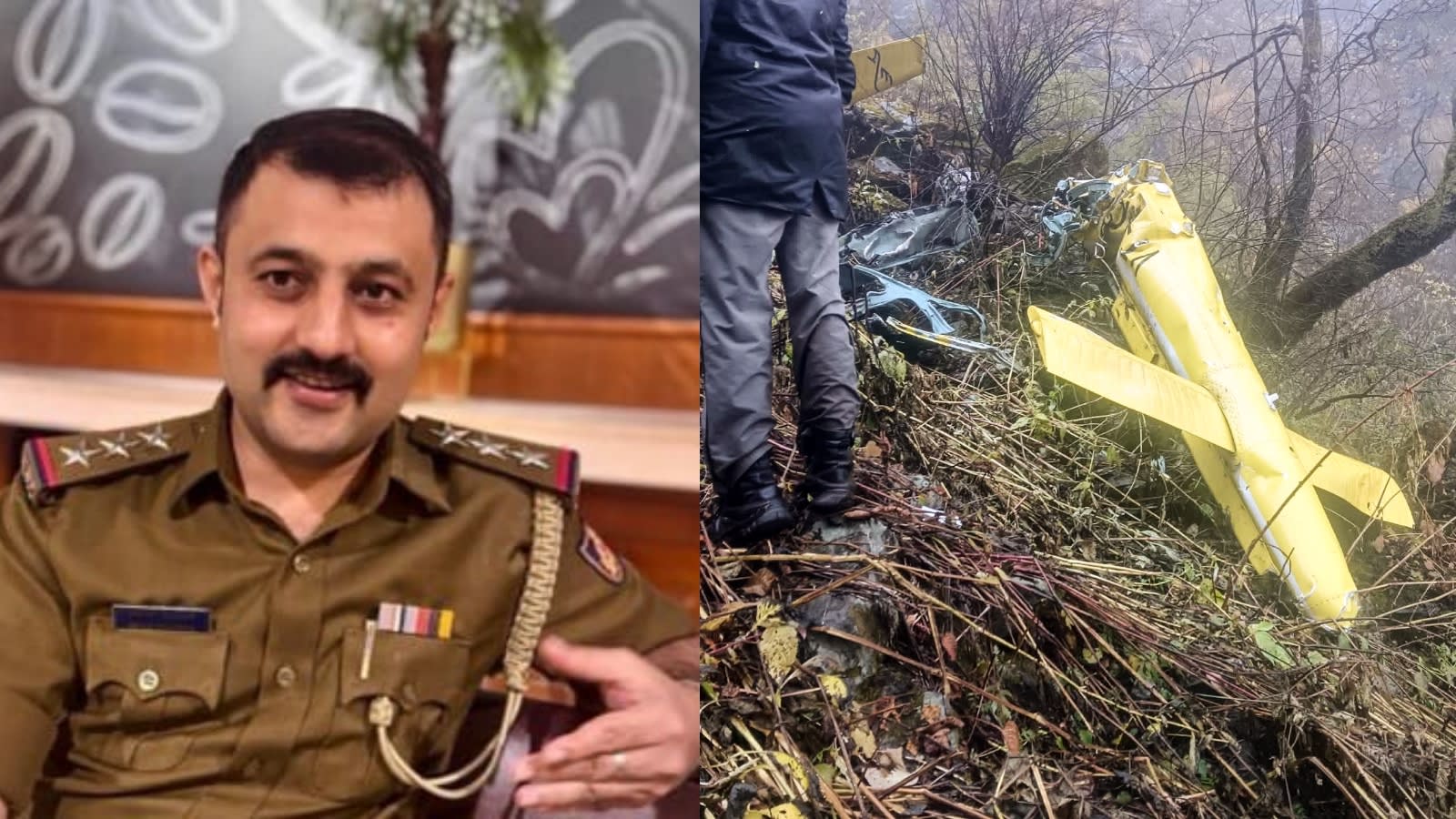
A helicopter carrying six people crashed near Joshimath, Uttarakhand, while returning from Badrinath to Dehradun amid adverse weather. Rescue operations involving the SDRF, Army, and ITBP are currently underway near Hathi Parvat.
Helicopter Crash Near Joshimath: A Detailed Overview
On Friday, a tragic aviation incident occurred in the Chamoli district of Uttarakhand when a helicopter carrying six individuals crashed while en route from Badrinath to Dehradun. The aircraft, identified as being operated by Trans Bharat Aviation Pvt Ltd, lost communication and tracking capabilities while flying over the Joshimath valley. The six individuals on board have been identified as the pilot, Captain Himanshu, and five passengers: Prathapa, Arun, Shankar Gowda, Sudheer K, and HS Natraja.
Adverse Weather Conditions and Meteorological Context
The crash occurred against a backdrop of severe meteorological instability. The India Meteorological Department (IMD) had previously issued an orange alert for the Chamoli district, specifically warning of thunderstorms, lightning, hail, and gusty winds reaching speeds of 40–50 kmph. Forecasts had indicated light to moderate rainfall across the region, with specific warnings regarding light rain and snowfall along the vital Badrinath-Joshimath sector. These conditions likely played a significant role in the loss of communication and the subsequent crash near Hathi Parvat.
Immediate Emergency Response
The disappearance of the aircraft prompted an immediate, multi-agency response. Authorities deployed two additional choppers to assist in locating the site. Ground-level relief and rescue operations were quickly initiated, involving personnel from the State Disaster Response Force (SDRF), the Indian Army, the Indo-Tibetan Border Police (ITBP), and local police. The coordination of these diverse agencies is critical given the challenging, mountainous terrain of the Hathi Parvat area, which complicates search and rescue efforts.
Challenges of High-Altitude Aviation in Uttarakhand
This incident highlights the inherent risks associated with civil aviation in the Himalayan region. The Badrinath-Dehradun route is frequently utilized for pilgrimage and tourism, yet it remains subject to rapidly changing weather patterns that can render flight paths treacherous. The loss of tracking data prior to the crash suggests a sudden and catastrophic failure or complete loss of control, likely exacerbated by the turbulent atmospheric conditions reported in the area.
Broader Implications for Air Safety
As investigation efforts proceed, the focus will likely shift toward the operational protocols of the Uttarakhand Civil Aviation Development Authority (UCADA) and the safety standards enforced during periods of heightened weather alerts. The incident raises significant questions about the decision-making processes regarding flight clearances during orange-alert weather conditions. Future trends in regional aviation will likely necessitate more stringent adherence to weather-based flight restrictions and enhanced real-time satellite tracking technology to prevent similar occurrences in the future.
Conclusion
The crash near Joshimath serves as a somber reminder of the dangers posed by the volatile climate in high-altitude environments. As the nation awaits further updates from the rescue teams on the ground, the priority remains the recovery and safety of those involved. The findings from this investigation will be instrumental in reassessing the safety frameworks governing air travel in Uttarakhand’s mountainous corridors.
Multiple Citing Sources