Uttarakhand chopper crash: State saw many crashes and close calls last year
Source Entity
Vidheesha Kuntamalla
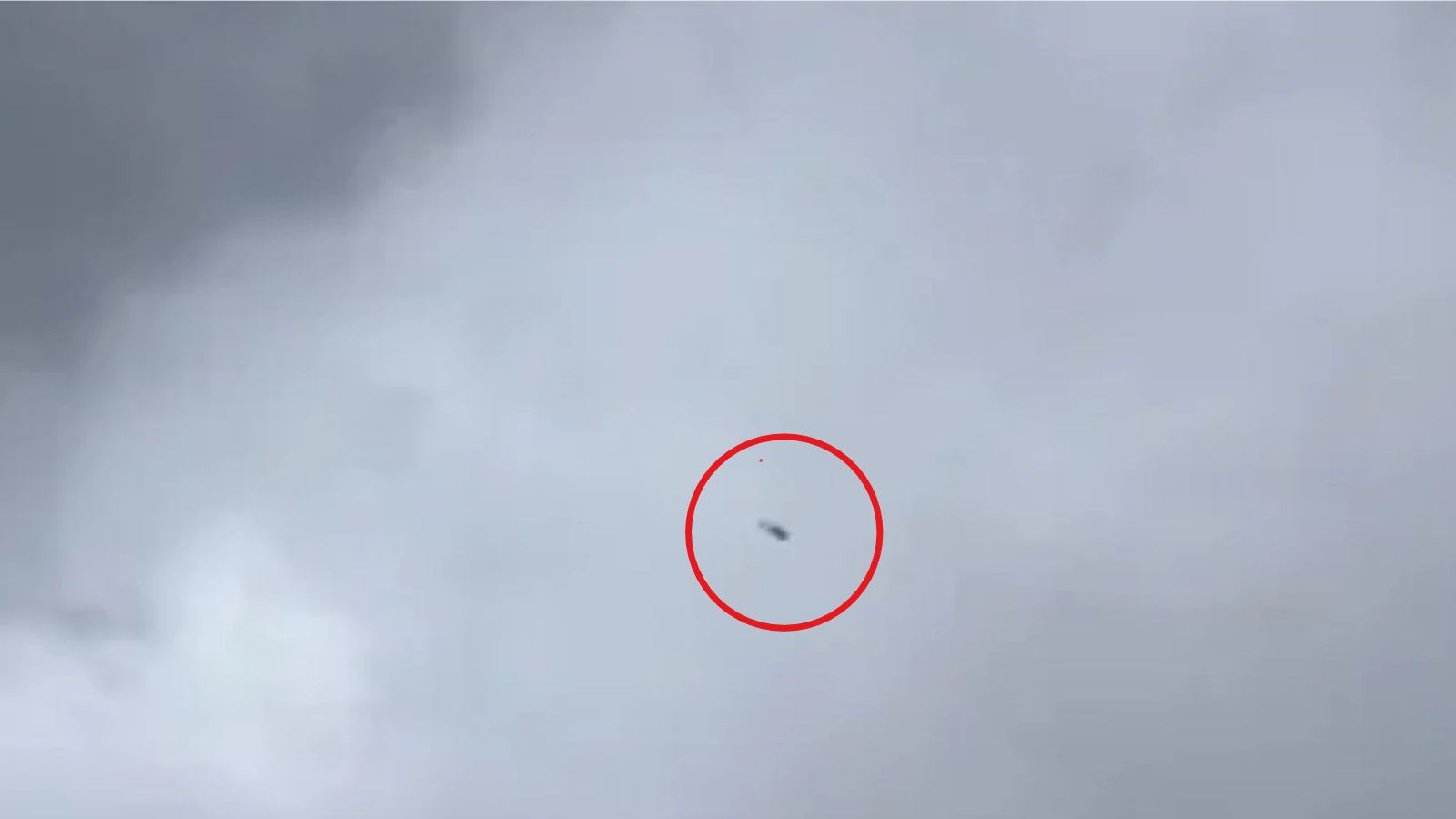
A helicopter carrying six people crashed near Joshimath, Uttarakhand, while returning from Badrinath to Dehradun. Rescue operations involving the SDRF, Army, and ITBP are currently underway amidst challenging weather conditions.
Helicopter Crash in Uttarakhand: A Detailed Analysis
The Incident Overview
On Friday, a tragic aviation incident occurred in the Chamoli district of Uttarakhand, where a helicopter carrying six individuals crashed while en route from Badrinath to Dehradun. The aircraft, identified as a Trans Bharat Aviation Pvt Ltd helicopter (call sign VT-HC), lost communication while flying over the Joshimath valley. Shortly after the loss of contact, the onboard tracking systems ceased transmitting data, signaling a major emergency near the Hathi Parvat region.
Victims and Personnel
The flight manifest included six individuals: the pilot, Captain Himanshu, and five passengers identified as Prathapa, Arun, Shankar Gowda, Sudheer K, and HS Natraja. The loss of communication served as the immediate precursor to the crash, prompting a rapid mobilization of state and central resources to the rugged terrain of the Chamoli district.
Environmental Factors and Challenges
The crash occurred against a backdrop of severe meteorological warnings. The India Meteorological Department (IMD) had previously issued an orange alert for the Chamoli district, specifically citing threats of thunderstorms, lightning, hail, and gusty winds ranging from 40–50 kmph. Furthermore, forecasts indicated light to moderate rainfall, with specific warnings for snowfall and rain along the Badrinath-Joshimath aerial corridor. These adverse weather conditions likely played a significant role in the flight's instability and subsequent loss of communication.
Multi-Agency Rescue Response
In response to the emergency, a massive rescue operation was launched. Officials confirmed that the State Disaster Response Force (SDRF), local police, the Indian Army, and the Indo-Tibetan Border Police (ITBP) were dispatched to the crash site. To bolster these efforts, authorities deployed two additional helicopters to pinpoint the location of the downed aircraft near Hathi Parvat, highlighting the logistical difficulties inherent in conducting search and rescue missions within high-altitude Himalayan topography.
Broader Implications for Himalayan Aviation
This incident underscores the inherent risks of aerial transport in the Himalayan region, where rapid weather shifts and complex mountain geography create a high-stakes environment for aviation. The use of helicopters to ferry pilgrims from Badrinath to Dehradun is a critical service, yet it remains highly susceptible to the volatile weather patterns characteristic of the Chamoli district. This crash will likely lead to a formal investigation by aviation authorities to determine the specific mechanical or environmental sequence of events that led to the loss of tracking and communication.
Conclusion
The crash near Joshimath serves as a somber reminder of the vulnerabilities faced by transport networks in the mountainous regions of northern India. As rescue operations proceed under difficult conditions, the focus remains on the recovery of the passengers and pilot. Future safety protocols in the region will undoubtedly be scrutinized to better mitigate risks associated with sudden meteorological changes in the high-altitude sectors of Uttarakhand.