Varanasi-New Delhi Vande Bharat Sleeper inaugural run: Check stoppages, timings
Source Entity
Anish Mondal
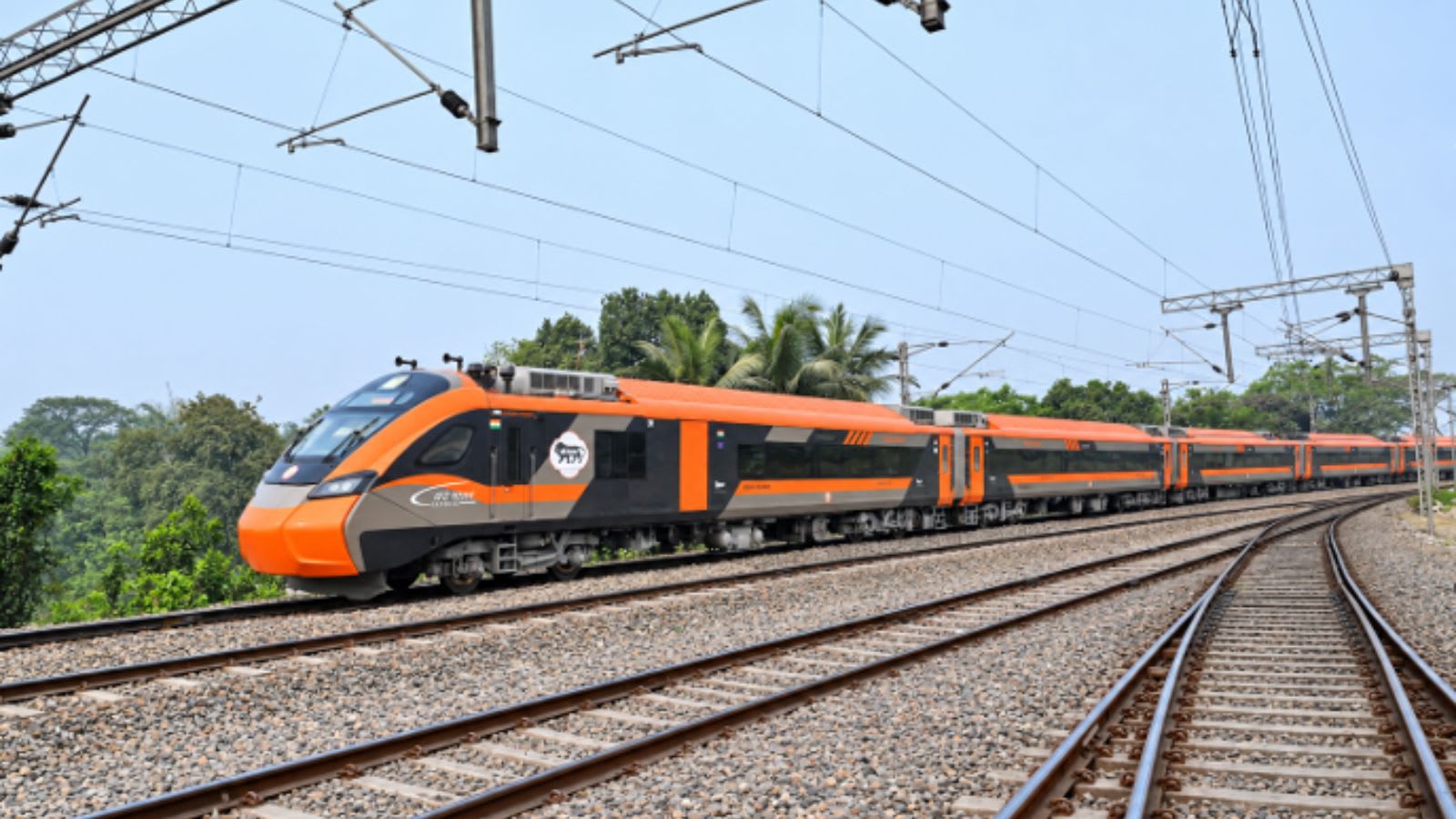
The Ministry of Railways has approved a new express train between Kanpur Central and Anand Vihar, alongside the launch of Uttar Pradesh's first Vande Bharat Sleeper train between Varanasi and New Delhi. These initiatives aim to significantly enhance connectivity and passenger convenience within the Northern Railway zone.
Strengthening Northern India’s Rail Connectivity
The Indian Ministry of Railways has recently signaled a major expansion in rail infrastructure with the approval of a new express train connecting Kanpur Central and the Anand Vihar Terminal (ANVT). This strategic move, formalized in a directive to the Northern Railway (NR) and North Central Railway (NCR) zones, is designed to alleviate the chronic passenger congestion often experienced on this high-traffic corridor. By facilitating a more direct link between Uttar Pradesh's industrial heart and the national capital, the administration aims to optimize transit efficiency for thousands of daily commuters.
Operational Oversight and Strategic Implementation
Under the directive issued on October 27, 2026, the Northern Railway zone has been tasked with the operation and maintenance of this new service. The Railway Board’s mandate emphasizes a prompt introduction of the service, allowing for the possibility of an inaugural special train to mark the commencement. This structured approach ensures that the logistical demands of the route—which connects major urban centers—are met with the appropriate technical oversight, ensuring both safety and adherence to the high standards expected of the Northern Railway network.
The Advent of Vande Bharat Sleeper Services
Parallel to the Kanpur-Anand Vihar development, the rail network is witnessing a technological leap with the inauguration of Uttar Pradesh’s first Vande Bharat Sleeper train. Commencing operations on October 31, 2026, this service connects Varanasi to New Delhi, bridging a 759 km distance in approximately 09:45 hours. By introducing sleeper configurations to the Vande Bharat fleet, the Railways are effectively transitioning from short-haul chair car convenience to long-distance comfort, catering to the evolving needs of inter-city travelers.
Impact on Regional Connectivity
Currently, the Varanasi-Delhi corridor is served by two Vande Bharat Chair Car services. The introduction of the Vande Bharat Sleeper (Train No. 02527) signifies a shift toward diversifying passenger experiences. This development is particularly crucial for the Varanasi region, as it provides a premium, high-speed alternative for overnight travel, thereby reducing the dependency on traditional mail and express trains that frequently face saturation during peak travel seasons.
Future Trends and Network Optimization
These additions reflect a broader trend in Indian Railways’ modernization efforts: the integration of high-speed, modern rolling stock with traditional route optimization. As the Ministry continues to roll out these services under the Northern Railway's jurisdiction, the focus remains on balancing the demand for speed—as seen in the Vande Bharat series—with the necessity of capacity expansion, as demonstrated by the Kanpur-Anand Vihar Express. Looking ahead, these infrastructure improvements are expected to foster economic growth by reducing transit times and improving the reliability of logistics between tier-one cities and regional hubs.
Conclusion
The simultaneous rollout of the Kanpur-Anand Vihar Express and the Varanasi-New Delhi Vande Bharat Sleeper underscores a robust commitment to enhancing Uttar Pradesh’s rail connectivity. By addressing both the capacity constraints on high-traffic routes and the demand for premium travel experiences, the Ministry of Railways is effectively modernizing the passenger experience. These developments serve as a testament to the ongoing transformation of the nation's rail infrastructure, promising a more connected and efficient future for travelers across Northern India.