‘I have a $2,000 deductible’: I reported a cracked windshield on my Hertz rental car. Can they charge me?
Source Entity
Quentin Fottrell
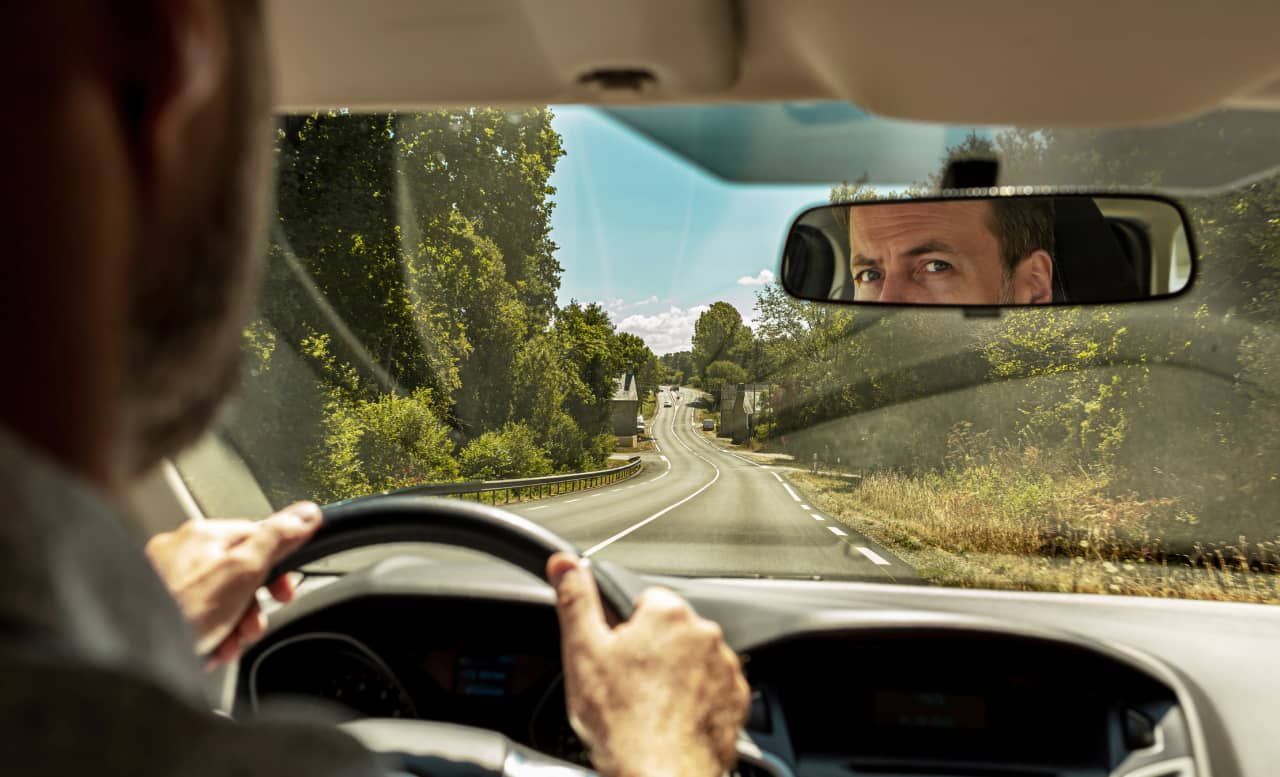
A rental car customer is disputing a $2,000 deductible charge from Hertz after reporting a cracked windshield. The customer claims they were unaware of any impact, highlighting common disputes in vehicle rental insurance policies.
The Complexity of Rental Car Damage Liability
When a customer reports a damaged windshield on a rental vehicle—as seen in the case of a user facing a $2,000 deductible with Hertz—it opens a complex window into the world of rental car insurance policies and consumer liability. The customer’s assertion that they "never heard a rock hit the windshield" is a common refrain in these disputes, underscoring the difficulty of pinpointing exactly when and where minor vehicle damage occurs during a rental period.
Understanding Deductibles in Rental Agreements
Rental car companies often include a collision damage waiver or a specific deductible in their contracts. When a customer signs a rental agreement, they are typically held responsible for any damage sustained to the vehicle, regardless of whether the driver was aware of the incident. A $2,000 deductible is a significant financial burden, and it is usually applied when the cost of repair exceeds the threshold set by the insurance coverage provided through the rental agency or the customer's personal policy.
The Challenge of Proving Damage Origin
In scenarios involving windshield cracks, the burden of proof becomes a contentious issue. Because glass damage can be caused by minor environmental factors—such as temperature fluctuations or pre-existing structural weakness—it is often difficult for a driver to prove they were not at fault. The rental company’s perspective is typically governed by the state of the vehicle upon return compared to the initial inspection report, leaving little room for subjective claims of innocence regarding the timing of the damage.
Consumer Rights and Dispute Resolution
For consumers facing such charges, the resolution process often involves filing a formal dispute or checking if their personal credit card coverage provides secondary or primary protection. Because rental agencies operate on strict liability clauses, they generally enforce these charges automatically if the damage is noted during the post-rental inspection. This creates a systemic tension between rental companies seeking to maintain their fleet assets and customers who feel they are being unfairly charged for damage they did not cause.
Future Trends in Fleet Management
As the rental industry evolves, many companies are moving toward more rigorous digital documentation of vehicle conditions. The use of high-resolution cameras and automated inspection kiosks is intended to reduce ambiguity. However, until such technology is universal, these types of disputes remain a frequent point of friction in the travel industry, emphasizing the importance of thorough pre-rental inspections by the customer to avoid being held liable for pre-existing or disputed damage.
Verification Required?