‘Followed legal procedure in search at house of Noida activist’
Source Entity
Latest News: Todays Latest News Headlines from India & World | Hindustan Times | Hindustan Times
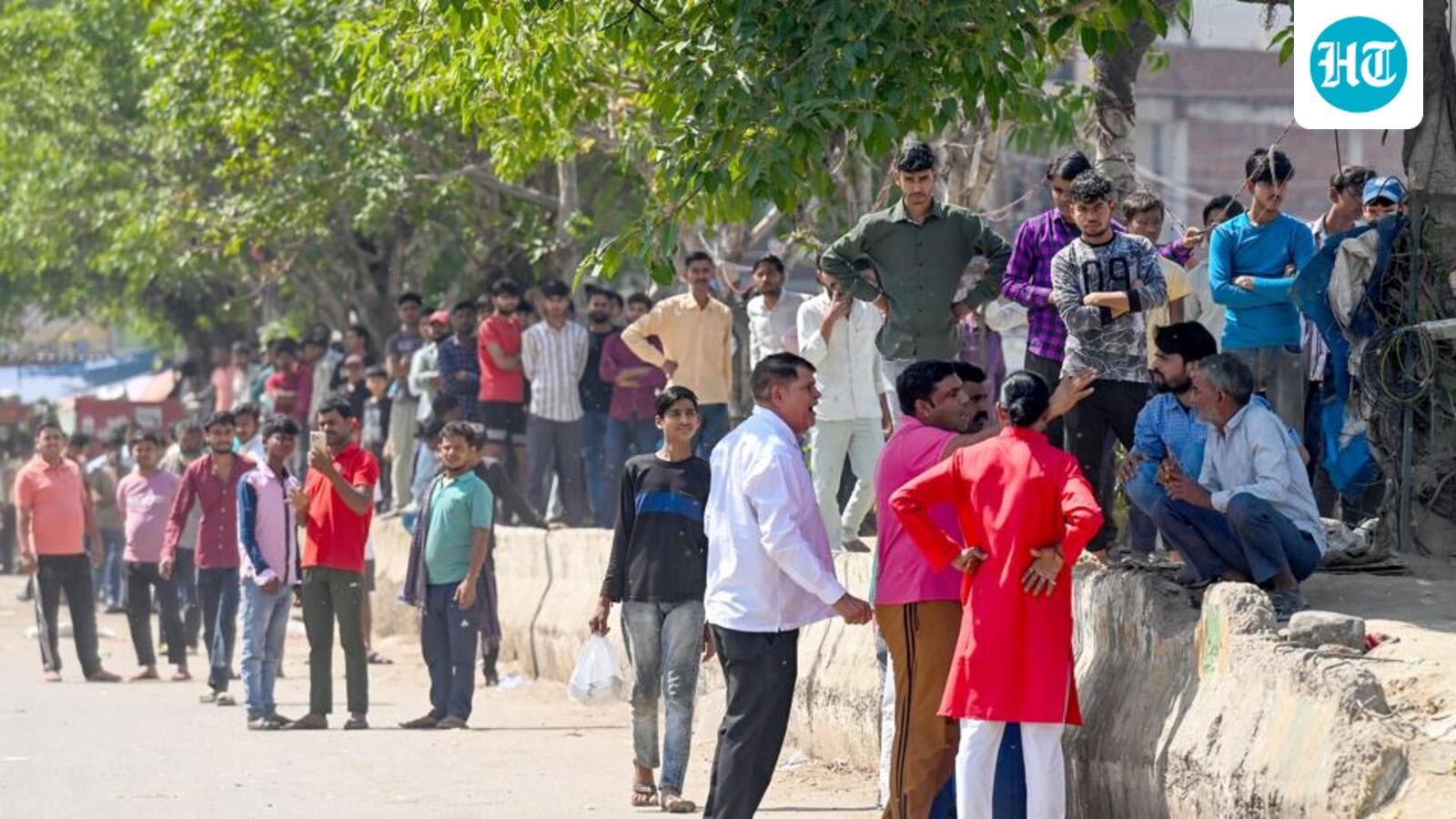
High courts in Jammu and Kashmir and Allahabad have recently quashed detention orders under the PSA and NSA, respectively, citing procedural flaws. The rulings emphasize the judiciary's role in preventing the misuse of preventive detention laws to circumvent bail processes.
Judicial Scrutiny of Preventive Detention Laws
Recent judicial interventions by the High Courts of Jammu and Kashmir and Ladakh, and Allahabad, mark a significant moment in the discourse surrounding the use of preventive detention laws in India. By quashing detention orders under the Public Safety Act (PSA) and the National Security Act (NSA), these courts have underscored the necessity of procedural rigor and the protection of constitutional rights against administrative overreach.
The Jammu and Kashmir PSA Ruling
In the case of the man detained for derogatory Facebook remarks regarding religious figures and customs, the Jammu and Kashmir and Ladakh High Court identified a critical failure in the detention process. Justice Rajesh Sekhri highlighted a 38-day delay in the issuance of the detention order, noting that the timing appeared to be a 'colourable exercise of power' intended to bypass a pre-arrest bail order. The court's observation that the suppression of bail-related documents impedes a detainee's ability to mount an effective defense serves as a stern reminder that administrative convenience cannot override the right to a fair legal process.
Accountability in the Noida Protests Case
Simultaneously, the Allahabad High Court addressed the detention of Aakriti Chaudhary, a 25-year-old Delhi University graduate, who had been held under the NSA in connection with labor protests in Noida. The court, led by Justices Atul Sreedharan and Achal Sachdev, characterized the invocation of the NSA as 'arbitrary and vague.' The case highlights the tension between the state's authority to maintain public order and the individual's right to liberty, particularly when charges of premeditated rioting are used to justify long-term incarceration without trial.
Procedural Fairness vs. State Power
These rulings collectively emphasize that preventive detention, while a potent tool for the state, is subject to strict judicial oversight. In both instances, the courts identified that the state failed to meet the required threshold of justification for depriving a citizen of their liberty. By quashing these detentions, the judiciary is reinforcing the principle that the rule of law must prevail over the administrative impulse to utilize stringent security acts as a shortcut to bypass the standard criminal justice system.
Broader Implications for Civil Liberties
These judicial decisions reflect a growing judicial trend of skepticism toward the routine application of draconian laws. When the state invokes the NSA or PSA, it places a heavy burden on the individual to prove their innocence while simultaneously limiting their access to legal remedies. The courts are effectively signaling that 'vague' allegations or procedural delays—such as the 38-day gap noted in the J&K case—are insufficient grounds to maintain custody, thereby protecting the fundamental rights enshrined in the Constitution.
Conclusion
As legal experts and civil society continue to debate the balance between national security and individual freedom, these High Court judgments serve as vital precedents. They affirm that the judiciary remains a critical check on executive power, ensuring that detention laws are not weaponized to undermine the bail process or stifle dissent. Moving forward, authorities may be forced to exercise greater caution and adhere more strictly to due process, lest their detention orders face similar judicial invalidation.
Multiple Citing Sources
Verification Required?