‘I don’t want Canadian anything’: Trump ramps up trade war with America’s neighbor — here’s what it may cost US families
Source Entity
Yahoo Finance
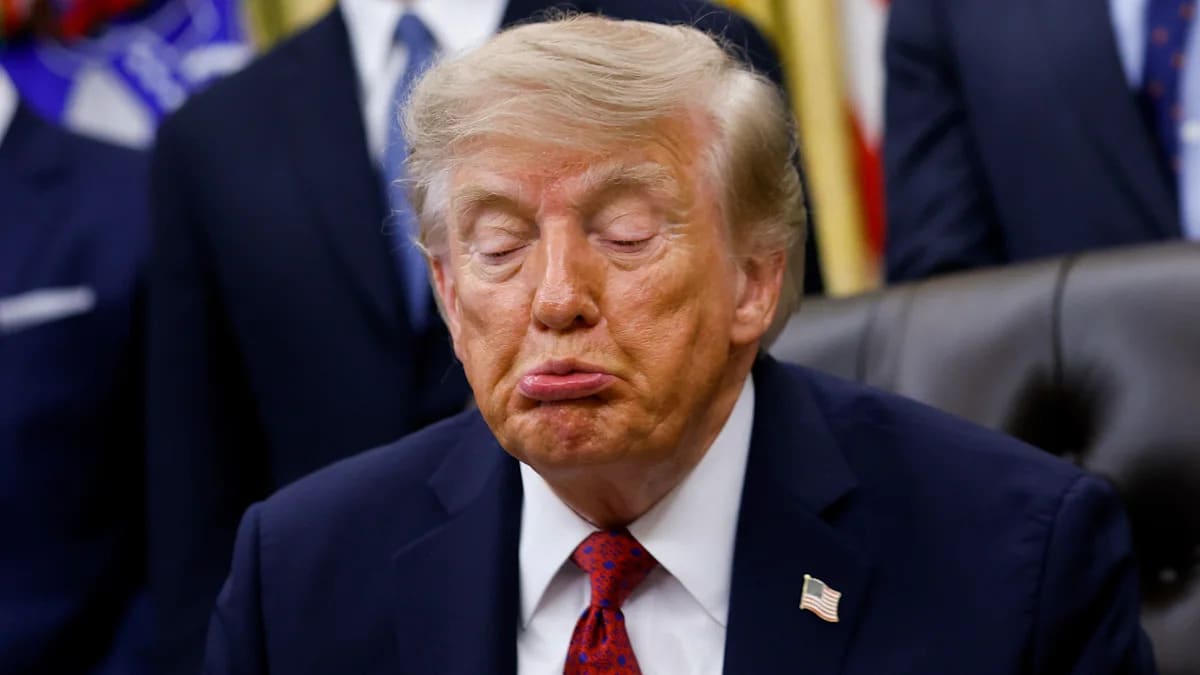
Former President Trump has threatened significant tariffs on Canadian imports, including a 50% levy on automotive goods. Canada has responded with retaliatory measures, signaling a major escalation in trade tensions between the two nations.
The Escalation of North American Trade Tensions
Former President Donald Trump has reignited trade hostilities with Canada, asserting that the United States does not rely on its northern neighbor for essential goods. By dismissing the necessity of Canadian imports and labeling potential supply chain shifts as merely "a little inconvenient," Trump is advocating for a radical decoupling of the two economies. This rhetoric marks a significant departure from the historical integration of the U.S.-Canada trade relationship, which has long been defined by mutual dependency and proximity.
The Automotive Industry at Risk
The core of this conflict centers on the automotive sector, where Trump has proposed a 50% tariff on Canadian autos and parts, set to take effect on January 1. Given that the U.S. and Canadian auto industries are deeply intertwined through complex cross-border supply chains, such a move could cause unprecedented disruption. These tariffs threaten to increase production costs for manufacturers and ultimately raise vehicle prices for American consumers, potentially destabilizing a sector that relies on just-in-time delivery systems.
Retaliation and the Economic Fallout
Canada has not remained passive in the face of these threats. In a swift counter-measure, the Canadian government announced retaliatory tariffs on approximately $20 billion worth of U.S. imports. By matching the U.S. tariffs dollar-for-dollar, Canada aims to exert economic pressure to force a de-escalation. These counter-tariffs, scheduled for implementation on September 8, highlight the fragile nature of the current trade climate and the potential for a prolonged tit-for-tat trade war that benefits neither party.
Historical Context of Trade Agreements
Trump’s current stance stands in stark contrast to his past claims regarding previous trade deals. By referencing a "pretty good deal" made in an August 26 interview, he underscores the volatility of his approach to international trade policy. The collapse of previous diplomatic frameworks suggests that the foundational agreements meant to ensure stability are increasingly being challenged by protectionist policies that prioritize nationalist economic agendas over regional synergy.
Future Trends and Consumer Implications
If these tariff policies are fully realized, the implications for American families will likely be severe. Increased costs for imported raw materials and finished goods often translate directly into inflation for the average household. As both nations move toward a protectionist standoff, the long-term trend points toward increased market volatility and the potential for a permanent shift in how North American trade is conducted. The reliance on alternative global supply chains, as suggested by Trump, remains a speculative and potentially costly endeavor compared to the established, efficient logistics of the U.S.-Canada border.