Alcohol shop charges Rs 75 extra for beer bottle, Himachal man wins Rs 12,500 payout
Source Entity
Ashish Shaji
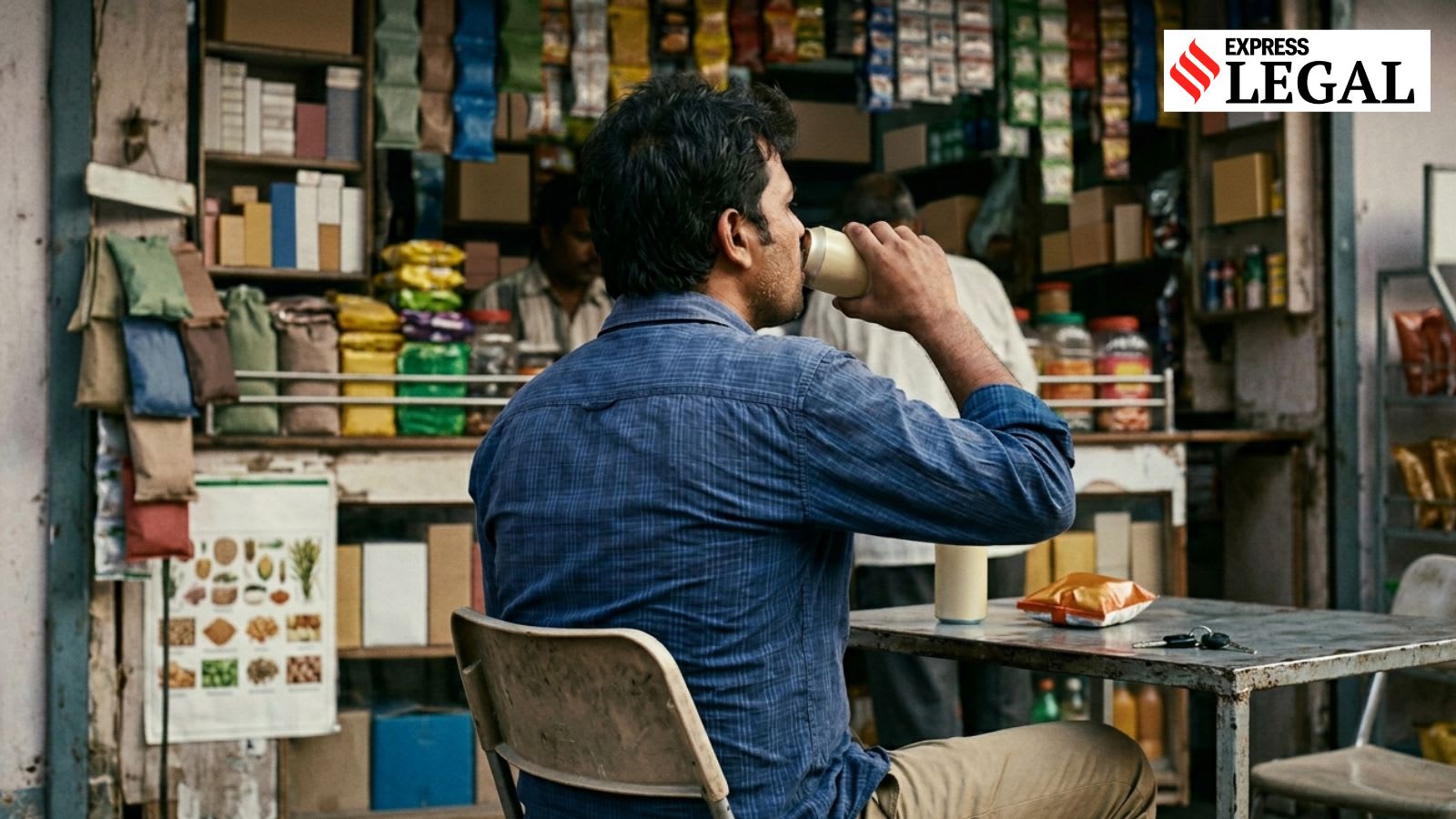
A Himachal Pradesh consumer commission has ordered a liquor shop to pay a customer Rs 12,500 for overcharging him by Rs 75 on a beer bottle. The ruling highlights strict enforcement against unfair trade practices and violations of the Legal Metrology Act.
Consumer Justice Prevails in Himachal Liquor Overcharging Case
In a significant verdict for consumer rights, a consumer commission in Himachal Pradesh has penalized a local liquor vendor for charging a customer above the Maximum Retail Price (MRP). The dispute arose when a customer was billed Rs 230 for a beer bottle that clearly listed an MRP of Rs 155, resulting in an unauthorized markup of Rs 75. The commission, led by President Hemanshu Mishra alongside members Arti Sood and Narayan Thakur, ruled that this act was not merely a minor financial discrepancy but a flagrant violation of established consumer protection laws.
Legal Implications of MRP Violations
The commission’s ruling underscores the critical importance of the Legal Metrology Act and the Consumer Protection Act, 2019. By selling products above the printed MRP, the vendor engaged in what the law defines as an 'unfair trade practice.' Under Section 2(47) of the Consumer Protection Act, such actions are classified as a severe deficiency in service, as they exploit the consumer’s trust and violate the mandatory pricing regulations set forth by state excise departments.
The Role of Transparency and Documentation
A pivotal element in this case was the vendor’s failure to provide a formal receipt. The commission noted that the refusal to issue documentation is a tactical move often used to obscure illicit pricing practices. By denying the customer a receipt, the shop attempted to evade accountability, which the tribunal viewed as an aggravating factor. This highlights a growing judicial trend in India where the absence of proper billing is treated as evidence of intent to defraud.
Broader Impact on Consumer Awareness
This case serves as a stern warning to retail outlets across the country that attempt to bypass pricing regulations. While Rs 75 may seem like a nominal amount, the compensatory payout of Rs 12,500 serves as a punitive deterrent. It signals that courts are increasingly willing to award damages that far exceed the actual loss to ensure that vendors prioritize compliance over illegal profit margins.
Future Trends in Consumer Protection
As digital transactions and consumer awareness rise, the ability of vendors to hide behind 'service charges' or arbitrary markups is diminishing. The Himachal Pradesh commission's decision reinforces the necessity for vendors to adhere strictly to state excise regulations. Looking ahead, we can expect more consumers to utilize legal channels for small-value grievances, knowing that the judiciary is prepared to protect their rights against unfair trade practices. This shift is likely to foster a more transparent retail environment where MRP adherence becomes the standard rather than an exception.