Can hip-hop make children choose healthier food? At a school outside Mumbai, a nutrition lesson gets a beat
Source Entity
Purnima Sah
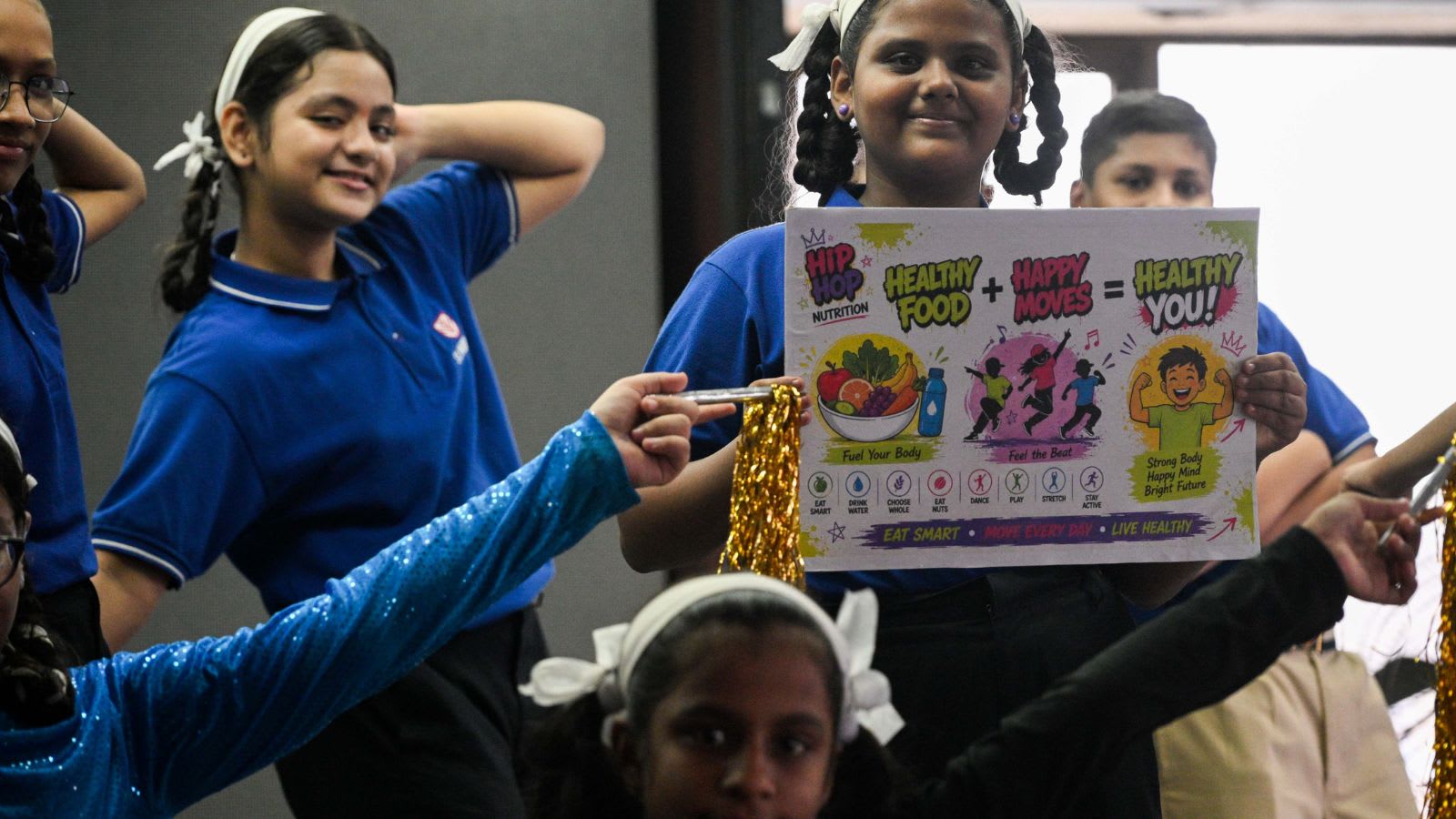
A school in Nalasopara, Mumbai, is using hip-hop music and dance to teach children about nutrition and healthy eating habits. This experimental approach aims to improve dietary choices by creating memorable, interactive associations with nutritious foods.
The Rhythmic Path to Better Nutrition
In a unique educational experiment on the outskirts of Mumbai, educators are breaking away from traditional, textbook-heavy nutrition lessons. By integrating hip-hop music and choreographed dance routines into the classroom, a school in Nalasopara is attempting to tackle the complex challenge of child nutrition through engagement and cultural relevance. The initiative, centered on the slogan "Healthy Food, Happy Moves, Healthy You," transforms the abstract concept of a balanced diet into a tangible, physical experience.
Merging Movement with Nutritional Education
The methodology relies on the intersection of kinesthetic learning and auditory memory. Students are not merely lectured on the benefits of wholemeal bread or vegetables; they chant, hold placards, and perform dance sequences that are intrinsically linked to their nutritional lessons. By asking students to identify "healthy versus unhealthy" foods during dance breaks, the program creates an active recall environment that is significantly more effective than passive reading, particularly for younger students like Class VI pupil Aarna G, who notes that the routines help cement the information in her memory.
Breaking the Cycle of Poor Dietary Habits
This initiative addresses a growing global concern: the rise of processed, nutrient-poor food consumption among children. Conventional health awareness campaigns often struggle to compete with the allure of hyper-palatable, unhealthy snacks. By rebranding "healthy eating" as a fun, musical, and socially engaging activity, the school is attempting to shift the perception of nutritious food from a chore to a positive, lifestyle-oriented choice. The use of hip-hop—a genre deeply rooted in youth culture—serves as a bridge to make health education feel contemporary and accessible.
The Science of Associative Learning
The effectiveness of this experiment lies in associative learning. When children link specific musical beats and physical movements to the consumption of fruits and vegetables, they create neural pathways that make healthy food choices more intuitive. This pedagogical strategy leverages the psychological principle that children are more likely to retain information when it is presented through multisensory channels rather than static didactic instruction.
Broader Implications and Future Trends
If this experiment proves successful in shifting the long-term dietary habits of these students, it could serve as a scalable model for schools across India and beyond. Integrating cultural arts into health curricula offers a low-cost, high-impact intervention that can be tailored to local musical traditions. As schools continue to seek innovative ways to combat childhood obesity and malnutrition, the "Hip-Hop Nutrition" model highlights a promising shift toward holistic and interactive public health strategies.
Conclusion
The initiative in Nalasopara represents a creative fusion of art and science, demonstrating that the most effective way to change behavior may be to make the healthy choice the most exciting one. By turning nutrition education into a rhythmic, communal experience, the school is not just teaching children what to eat, but cultivating a culture of wellness that resonates with their daily lives.