75% of hit-and-run victims miss out on compensation: Report
Source Entity
DIPAK K DASH
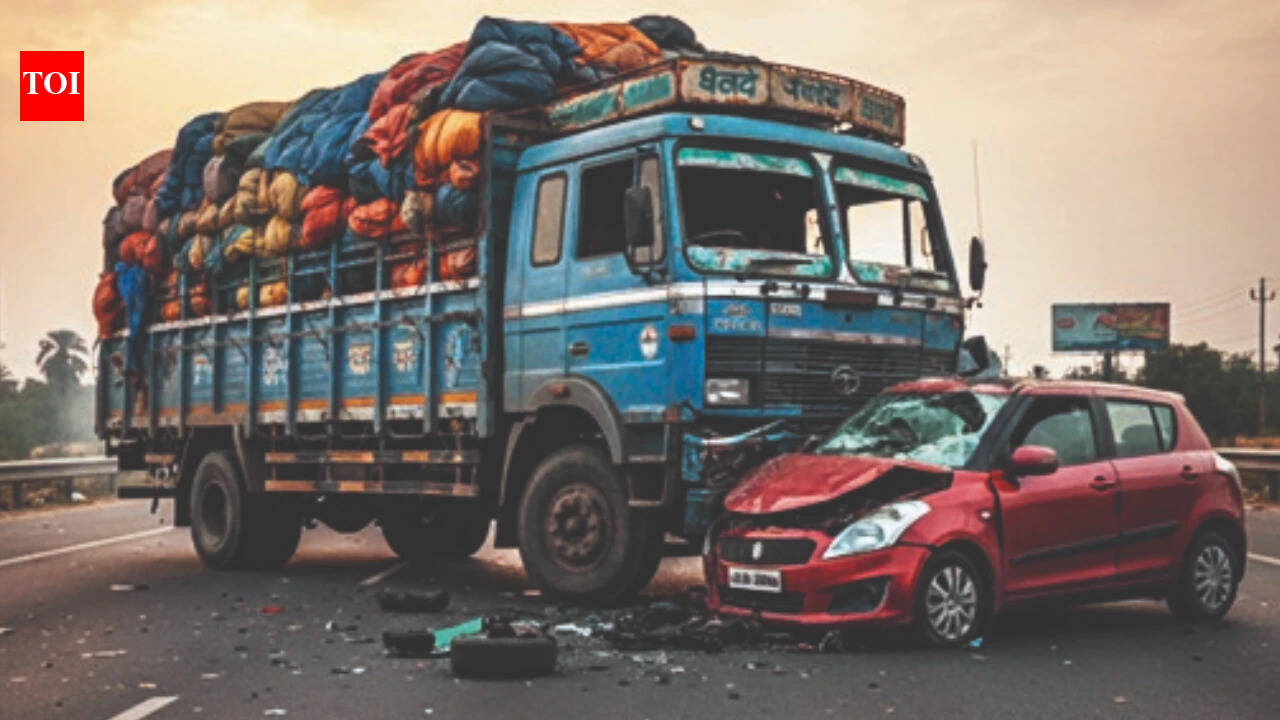
A recent report reveals that 75% of hit-and-run victims fail to receive government compensation due to low awareness and complex procedures. Despite the launch of a dedicated initiative in 2022, the vast majority of the 70,000 annual victims remain uncompensated.
The Crisis of Unclaimed Compensation for Hit-and-Run Victims
Recent data has brought to light a systemic failure in the administration of justice for road accident victims, specifically those involved in hit-and-run cases. With approximately 70,000 such incidents occurring annually, the scale of human suffering is immense. However, a staggering 75% of these victims are currently missing out on the financial compensation to which they are legally entitled, highlighting a disconnect between policy intent and ground-level execution.
The Failure of the 2022 Compensation Initiative
In February 2022, the government introduced a dedicated compensation initiative aimed at providing relief to victims of hit-and-run accidents. The goal was to establish a safety net for those left vulnerable by drivers who flee the scene. Despite this noble objective, the program has struggled to gain traction. The report indicates that only a fraction of eligible claimants have successfully navigated the process, leaving the majority of victims and their families without the financial support promised by the state.
Barriers to Accessibility and Awareness
The primary driver behind this low success rate appears to be a significant lack of awareness. Many victims and their families are unaware that such a compensation scheme even exists, or they do not know how to initiate the application process. When they do attempt to apply, they are often met with extreme administrative complexity. This bureaucratic burden effectively creates a barrier to entry, discouraging those who are already dealing with the trauma and physical aftermath of a severe accident from pursuing their claims.
Broader Implications for Public Policy
This situation underscores a broader problem in public service delivery: the 'last-mile' failure. Even when a policy is well-intentioned and funded, the lack of an effective outreach strategy and a user-friendly interface can render it practically useless. The inability to reach 75% of the target demographic suggests that the current communication channels and support mechanisms are inadequate to serve the vulnerable population they were designed to protect.
Future Trends and Necessary Reforms
Moving forward, the government must prioritize simplifying the claims process and launching aggressive awareness campaigns to ensure that victims are informed of their rights. If the system is not streamlined—perhaps through digital integration or the establishment of local assistance hubs—the initiative will continue to underperform. Future policy success will depend on reducing the administrative friction that currently prevents thousands of families from receiving the closure and financial relief they desperately need.