Why we can't look away from hoarder home clean-ups
Source Entity
BBC News
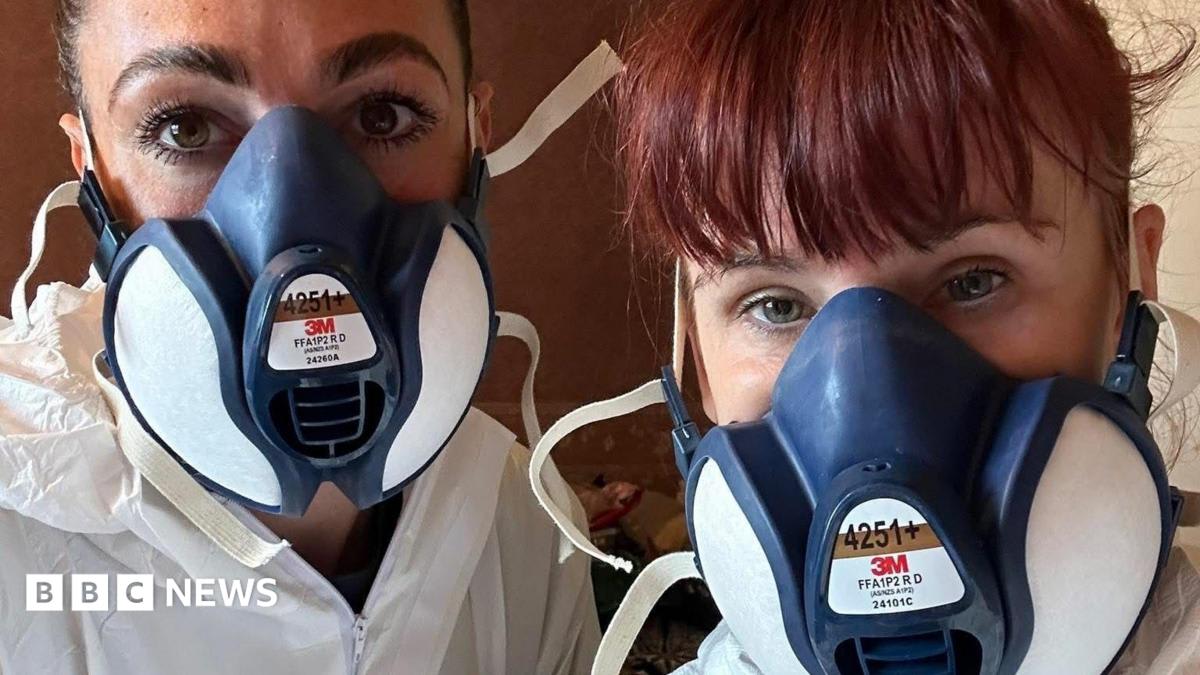
Viral social media videos of hoarder home clean-ups are shedding light on the complexities of hoarding disorder. These videos aim to reduce the stigma surrounding the condition, which is a recognized mental health challenge that often prevents individuals from seeking help.
The Viral Phenomenon of Hoarder Home Clean-ups
In recent years, the digital landscape has been flooded with a unique genre of content: extreme cleaning videos. These videos, which document the arduous process of clearing out homes affected by hoarding, frequently garner millions of views. While they are often consumed as a form of 'satisfying' content, they serve a much more profound purpose. They act as a window into the reality of individuals struggling with hoarding disorder, a condition that is frequently misunderstood by the general public.
Understanding Hoarding Disorder
According to the NHS, hoarding disorder is a legitimate mental health condition characterized by an intense difficulty in discarding items, regardless of their actual value. This inability to let go often leads to the accumulation of possessions that clutter living spaces to the point where they become unusable. The resulting conditions are frequently unsafe and unsanitary, significantly impacting the individual's daily functioning and quality of life.
The Impact of Social Stigma
One of the primary drivers behind the creation and dissemination of these cleaning videos is the urgent need to combat stigma. As noted by those who perform and film these clean-ups, the public is often quick to judge, frequently mislabeling those with the disorder as 'lazy' or 'disorganized.' This judgmental attitude creates a barrier to treatment, as individuals living in such conditions may fear societal judgment or ridicule, subsequently choosing to suffer in silence rather than reach out for professional support.
Changing the Narrative
By documenting the reality of these homes, content creators are attempting to shift the narrative from one of moral failing to one of mental health awareness. These videos illustrate that hoarding is not a choice, but a complex psychological struggle. By humanizing the people behind the cluttered doors, the content forces viewers to confront their own biases and recognize that these individuals are in need of compassion and specialized care rather than public scrutiny.
Broader Implications and Future Trends
As these videos continue to circulate, they are sparking a necessary conversation about how society treats mental health disorders that manifest physically in one's environment. The trend suggests a growing appetite for 'real-life' content that bridges the gap between entertainment and education. Looking forward, the continued visibility of this issue on social media could lead to increased empathy and potentially a higher rate of intervention, as awareness helps destigmatize the act of asking for help.
Conclusion
Ultimately, the viral nature of hoarder clean-ups serves as a double-edged sword. While it provides a platform for education, it also requires a responsible approach to ensure the dignity of those being filmed is preserved. The core message remains clear: hoarding is a mental health condition that requires professional intervention and societal understanding to break the cycle of isolation and unsafe living conditions.