Consumers are spending on physical gifts even as travel tops wish lists, Visa survey finds
Source Entity
US Top News and Analysis
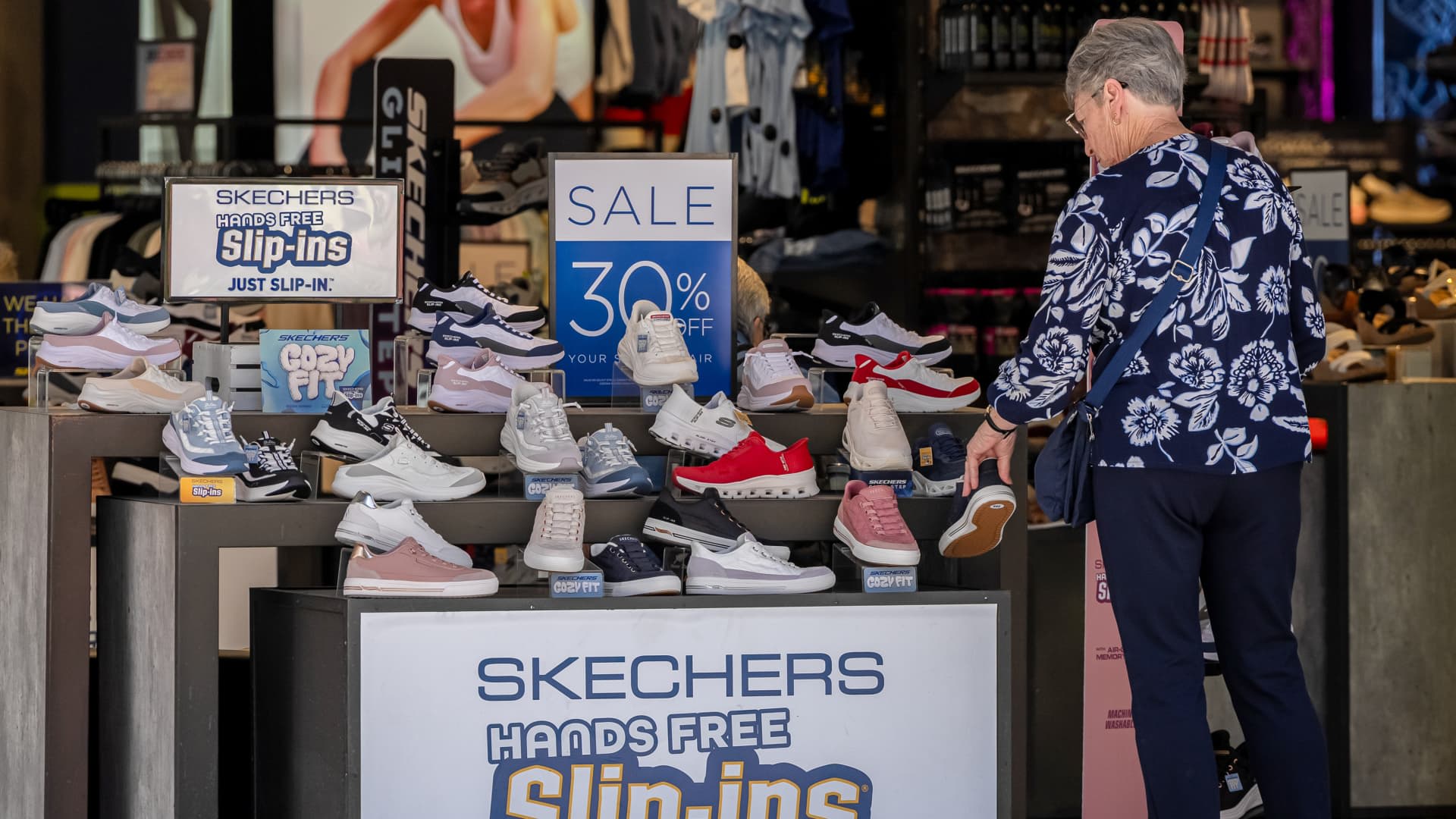
A recent Visa survey reveals that while consumers prioritize travel and experiences in their wish lists, physical gifts remain the dominant spending category. This trend persists despite economic pressures from rising inflation and energy costs.
The Holiday Spending Paradox: Experiences vs. Tangible Goods
As the holiday season approaches, a fascinating dichotomy has emerged in consumer behavior. According to recent data from Visa, there is a clear tension between personal desire and actual purchasing patterns. While more than half of survey respondents identify travel and live events as their top wish-list items, the marketplace tells a different story. Consumers are overwhelmingly choosing to allocate their budgets toward physical goods, highlighting a disconnect between aspirational preferences and fiscal reality.
The Impact of Macroeconomic Headwinds
The economic landscape in 2026 presents significant hurdles for the average household. The report underscores that U.S. inflation accelerated in May to its highest level in over three years. This inflationary pressure is largely attributed to the Iran war, which has caused a surge in global energy prices. These costs have outpaced the wage growth experienced by American workers, effectively eroding purchasing power and forcing families to reconsider the viability of high-ticket experiential spending.
Prioritizing Physicality in a Volatile Market
When analyzing the gap between desire and action, the data reveals that only 15% of respondents are actively prioritizing experiences for others, compared to 27% who are committed to physical gift-giving. This 12-percentage-point discrepancy suggests that despite the cultural shift toward 'gifting memories,' the traditional model of exchanging physical presents remains the safer, more predictable route for consumers managing tight budgets. Physical gifts offer a tangible value proposition that is easier to budget for in an environment of fluctuating costs.
The Cost of Travel and Experiential Barriers
The primary driver behind this disparity is the prohibitive cost of travel and live events. As energy prices climb due to geopolitical instability, the cost of transportation and hospitality services has skyrocketed. Consumers who might have preferred to gift a vacation or concert tickets are finding these options increasingly inaccessible. Consequently, the retail sector, exemplified by storefronts like the Skechers location in San Francisco, continues to capture the 'lion's share' of holiday wallets.
Future Trends and Market Outlook
Looking ahead, this trend suggests that until inflation stabilizes and energy prices retreat, the retail sector will likely remain the backbone of the holiday economy. Retailers must adapt by offering value-driven physical products that can compete with the psychological appeal of experiences. If the current economic trajectory continues, we can expect a sustained reliance on tangible goods, as consumers continue to hedge against the rising costs of luxury and leisure activities.
Conclusion
In summary, the Visa survey highlights a critical moment in consumer sentiment. While the cultural narrative leans toward experiences, the economic reality demands practicality. For the foreseeable future, physical gifts will remain the dominant force in holiday commerce, serving as a buffer against the inflationary pressures currently shaping the American financial landscape.