Will the housing market crash in 2026? Numbers look steady
Source Entity
Yahoo Finance
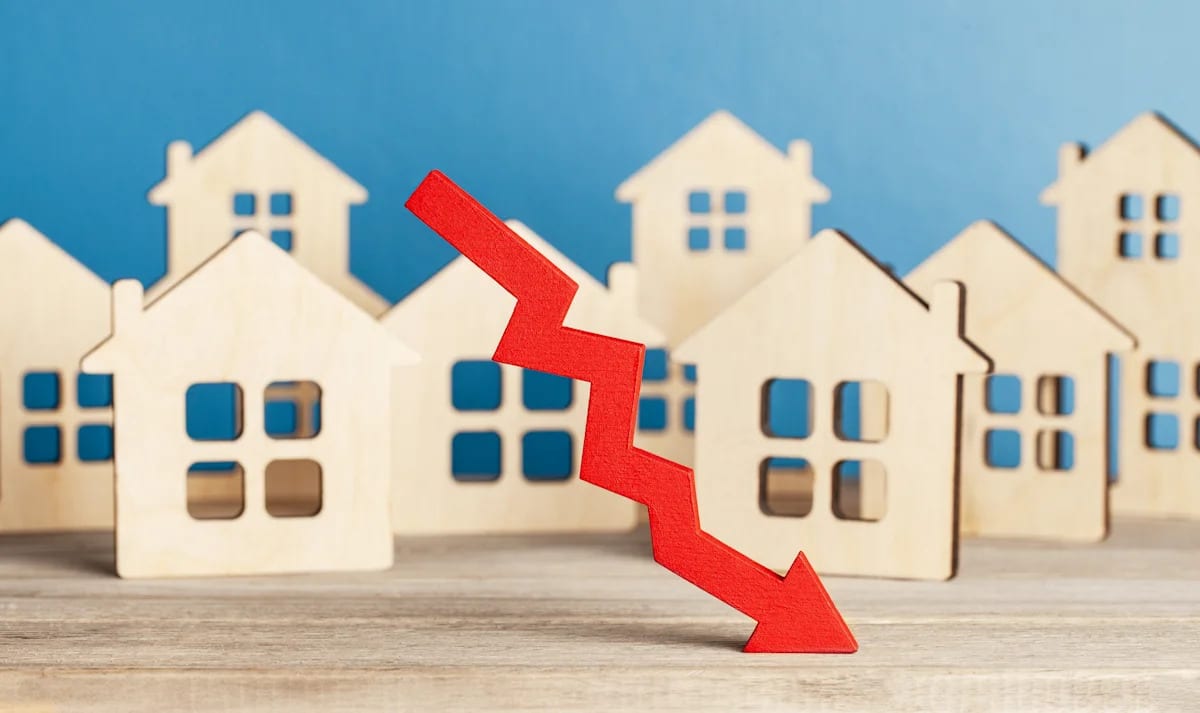
Experts predict the housing market will remain stable in 2026 rather than crashing, despite significant interest from younger generations for lower prices. While a crash would increase affordability, it carries risks like lost home equity and tighter financial conditions.
Assessing the Housing Market Outlook for 2026
Defining the Mechanics of a Housing Crash
At its core, a housing market crash is defined by a rapid, significant decline in home values, typically triggered by a severe imbalance between supply and demand. When the market experiences a sudden lack of buyers or an unsustainable oversupply of inventory, prices plummet. Historically, these events are often catalyzed by macroeconomic instability, such as prolonged economic recessions, or prohibitive mortgage rates that render homeownership financially inaccessible for the average consumer.
The Dual Nature of Market Volatility
Market corrections present a complex dichotomy for the economy. On the one hand, a crash offers a potential upside: significantly lower entry prices for prospective buyers who have been sidelined by current affordability constraints. However, the downsides are profound. Homeowners stand to lose substantial built-up equity, which serves as a primary vehicle for household wealth, while broader financial institutions face tightening credit conditions that can ripple through the entire economy, leading to restricted lending and reduced consumer spending.
Decoding the 2026 Market Forecast
As we look toward 2026, the prevailing expert consensus suggests that a crash is not on the horizon. Despite years characterized by extreme volatility—ranging from pandemic-era price surges to rapid interest rate hikes—the market is showing signs of stabilization. Rather than a collapse, analysts anticipate a return to a greater sense of normalcy, where market dynamics are driven by steady, predictable trends rather than the erratic swings observed in recent years.
The Generational Divide in Market Expectations
Interestingly, there is a stark disconnect between public sentiment and expert forecasts. Data from Clever indicates that 58% of Gen Z expresses a desire for a housing market crash, largely driven by the urgent need for improved affordability. This generation, facing high barriers to entry, views a market correction as a necessary mechanism for homeownership. However, this sentiment often overlooks the systemic risks that a crash would impose on the broader financial ecosystem.
Broader Economic Implications
Moving forward, the stability of the housing market in 2026 will likely depend on the interplay between mortgage rate trends and inventory levels. While the desire for lower prices is understandable from a consumer perspective, the economic health of the nation relies on avoiding the catastrophic loss of equity that a crash entails. Experts remain focused on balancing these interests, aiming for a sustainable environment that avoids the extremes of both runaway inflation and systemic collapse.
Conclusion: A Path Toward Stability
In summary, while the anticipation of a 2026 crash remains a topic of intense public debate, the current indicators point toward resilience. By focusing on steady growth and normalization, the housing sector seeks to move past the turbulence of the early 2020s. For prospective buyers, the strategy for 2026 should remain anchored in understanding these broader market realities rather than waiting for a hypothetical collapse.