Volkswagen’s stock gets boost from plan to double job cuts to 100,000
Source Entity
Nora Redmond
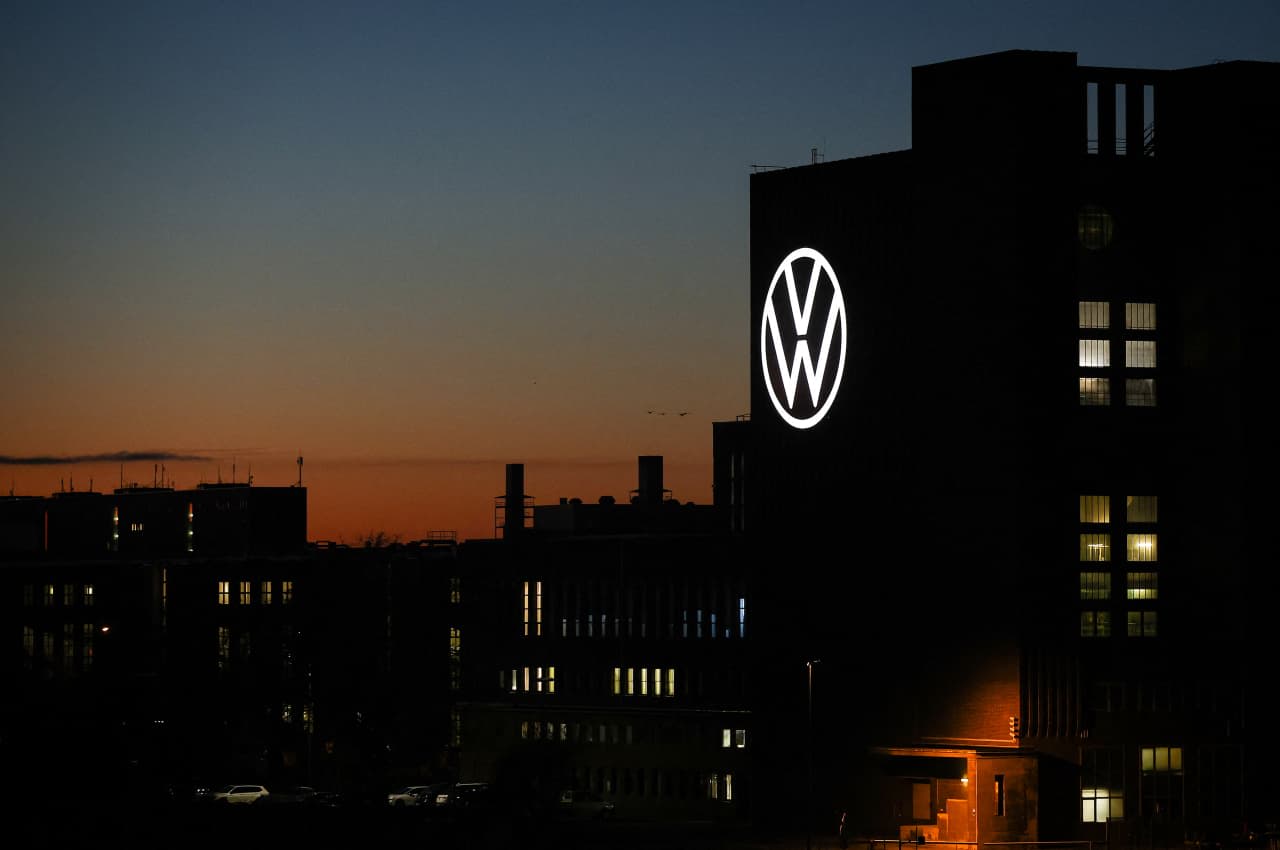
Volkswagen has announced plans to eliminate a total of 100,000 jobs by 2030 as part of a major 90-year restructuring effort. This move comes in response to falling profits, weakened sales, and increasing competition from Chinese electric vehicle manufacturers.
Volkswagen Announces Major Restructuring Plan
German automotive giant Volkswagen has confirmed a sweeping transformation strategy, announcing an additional 50,000 job cuts by the end of the decade. When combined with previously announced reductions, the total workforce reduction for the company is expected to reach 100,000 by 2030. This decision, approved by the supervisory board, represents the most significant restructuring effort in the firm's 90-year history.
The Drivers of Corporate Retrenchment
The necessity for these drastic measures stems from a confluence of market challenges. Volkswagen has reported a noticeable decline in profits and overall sales volumes. Furthermore, the company is facing unprecedented pressure from global competitors, specifically Chinese electric vehicle (EV) manufacturers who are rapidly gaining market share. To remain viable, the group—which oversees brands including Audi, Porsche, Skoda, Seat, Bentley, and Lamborghini—is forced to re-evaluate its operational footprint.
Strategic Realignment and Manufacturing
Beyond mere workforce reduction, the company is signaling a shift in its manufacturing strategy. Reports indicate that Volkswagen is exploring alternative uses for four of its German manufacturing plants. This suggests a move toward optimizing capacity and focusing resources on the most competitive vehicle segments. CEO Oliver Blume has described the plan as a "strong signal" for the company's future, emphasizing a necessity to take responsibility for the long-term sustainability of the workforce despite the painful nature of these cuts.
Historical Context and Industry Evolution
The automotive sector is currently navigating its most significant technological transition since the invention of the internal combustion engine. The shift toward electrification requires massive capital expenditure, forcing legacy automakers to shed costs in traditional operations to fund future-proof technologies. Volkswagen’s 90-year legacy is being tested by the speed at which it must pivot its global workforce and production capabilities to match the agility of newer, EV-focused competitors.
Future Implications for the Automotive Sector
Looking ahead, the success of this restructuring will likely depend on the group's ability to maintain brand prestige while lowering operational overhead. The focus on "compelling vehicles" suggests a narrowing of the product portfolio to favor high-margin or high-demand models. As Volkswagen undergoes this fundamental adjustment, the global automotive industry will be watching closely to see if these extreme measures effectively restore competitiveness or if further, more localized interventions will be required to stabilize the company’s market position.
Verification Required?