Saudi military strikes Houthi targets in Yemen after the Iran-backed militia attacked Red Sea shipping
Source Entity
US Top News and Analysis
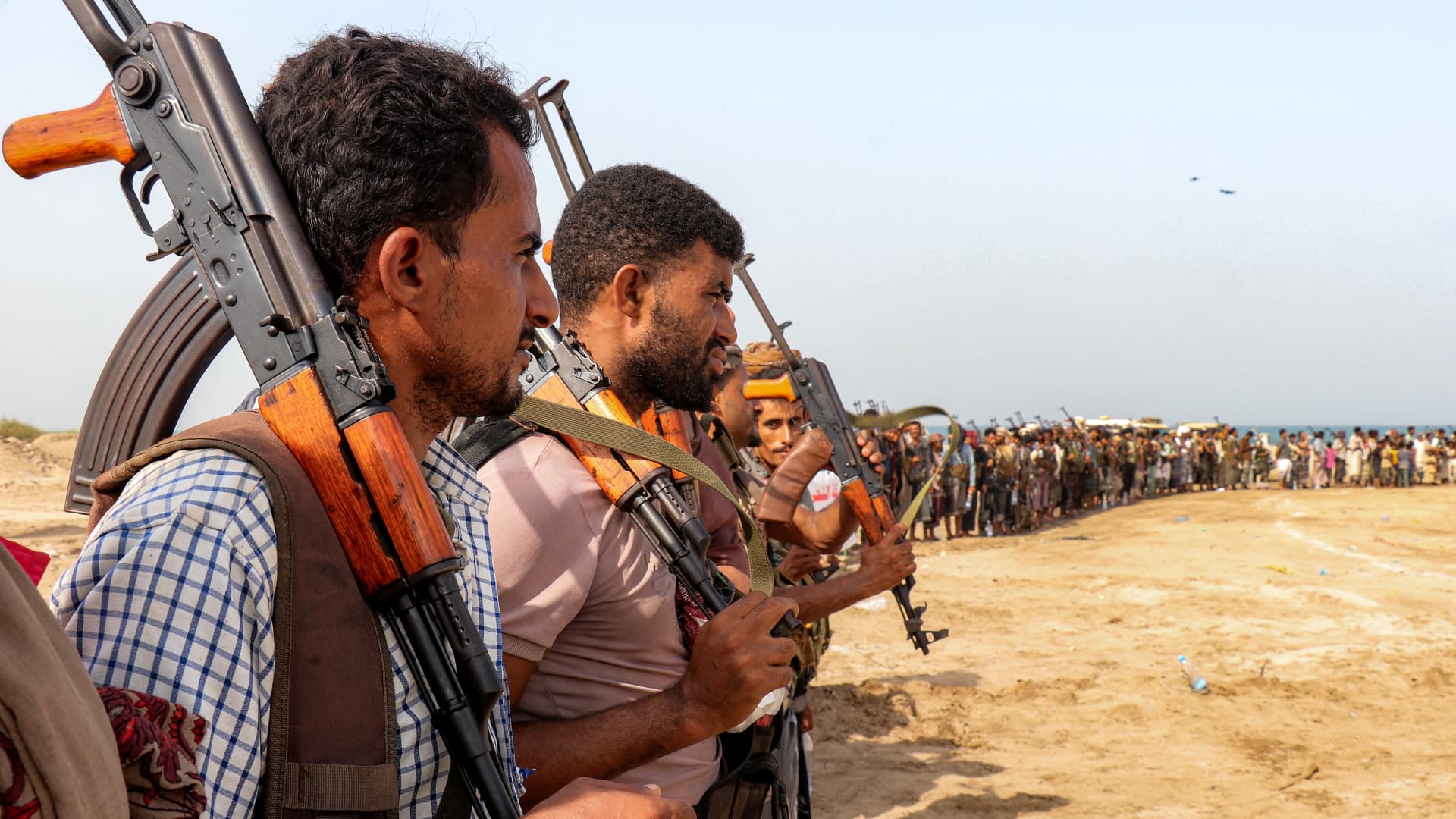
Tensions in the Middle East have intensified as Houthi militants launched missile and drone attacks against Saudi Aramco oil facilities in Jizan and Yanbu. In response, Saudi-led coalition forces conducted retaliatory strikes while the U.S. observed a notable pause in its military operations against Iran.
Escalation in the Red Sea: The Houthi-Saudi Conflict
The security landscape in the Middle East has entered a volatile new chapter as Houthi militants, aligned with Iranian interests, launched targeted attacks on Saudi Arabian oil infrastructure. Reports confirm strikes against Saudi Aramco facilities in the Red Sea ports of Jizan and Yanbu, marking a significant intensification of hostilities. These actions have prompted immediate military retaliation from the Saudi-led coalition, which has engaged in air strikes aimed at neutralizing Houthi military capabilities.
The Strategic Threat to Global Energy
The targeting of Saudi oil depots is not merely a tactical maneuver but a strategic challenge to global energy security. By striking critical infrastructure in Jizan and Yanbu, the Houthi militia is signaling an attempt to disrupt the flow of oil through the Red Sea—a vital maritime corridor. This escalation mirrors broader regional instability, as the militia's actions are increasingly viewed as a secondary front in the ongoing tensions involving Iranian-backed proxies and international shipping interests.
Interception and Defensive Posture
Beyond the damage to oil sites, the threat to civilian and military security was highlighted by the interception of two ballistic missiles launched from Yemen toward Saudi territory. Greek security sources have corroborated these interceptions, emphasizing the sophistication of the defensive measures currently employed by the Saudi military. These interceptions are critical, as they prevent the potential for mass casualties and further demonstrate the Houthi intent to project power far beyond the borders of Yemen.
A Shift in US Policy?
Perhaps the most notable geopolitical development accompanying these events is the sudden pause in U.S. military strikes against Iran. After a period of 13 consecutive nights of retaliatory air strikes following attacks on shipping in the Strait of Hormuz, the U.S. held back from launching strikes for the first time in two weeks. The lack of an immediate explanation from Washington has fueled speculation regarding diplomatic efforts to de-escalate the conflict or a strategic recalibration of the U.S. response to the Iran-linked crisis.
The Humanitarian and Political Fallout
The resurgence of violence threatens to derail any fragile progress made in Yemen's internal peace process. In areas such as Hodeidah, supporters of the Aden-based, internationally recognized government have publicly called for a resumption of hostilities, suggesting that the Houthi attacks are reigniting the underlying civil war. As the conflict continues to pull in regional and international powers, the risk of a protracted, multi-front war remains high, with the civilian population in Yemen facing the most immediate consequences of this renewed cycle of violence.