Houthis Attack Saudi Oil Site, US Holds Back Strike On Iran For 1st Time In 2 Weeks
Source Entity
NDTV News Search Records Found 1000
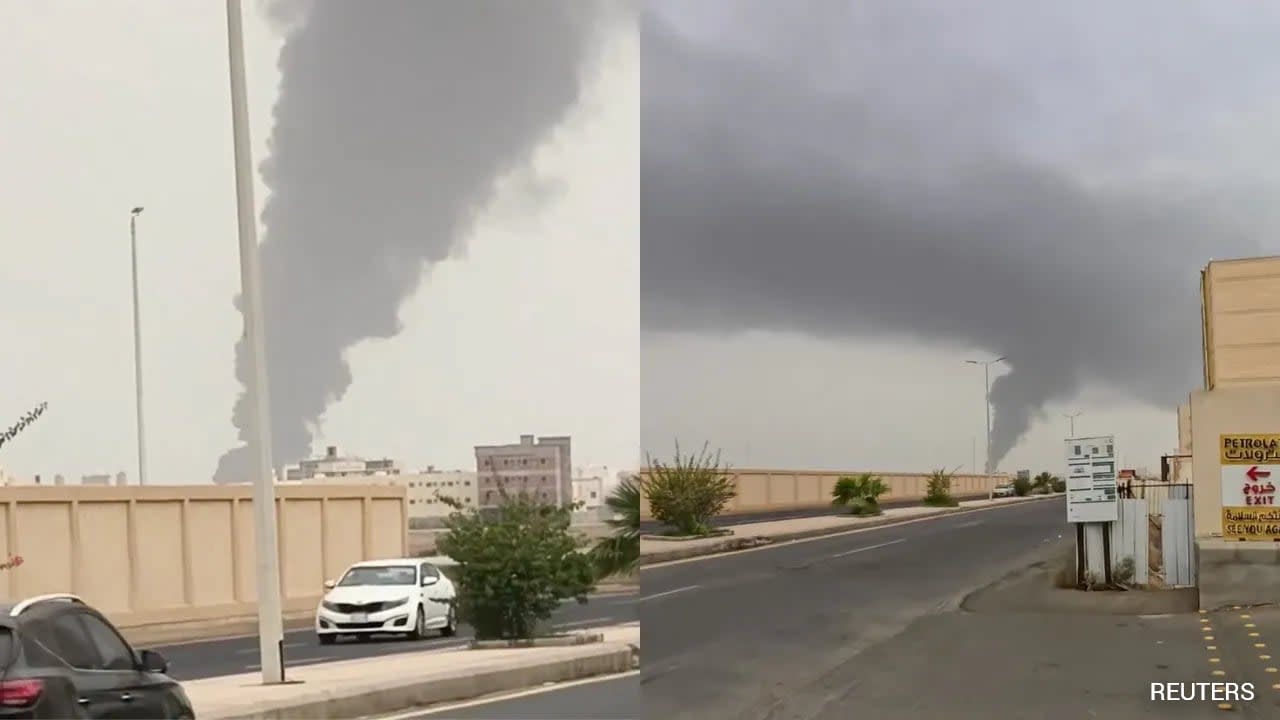
Tensions in the Red Sea have spiked as Houthi militants launched missile and drone attacks on Saudi Arabian oil infrastructure. While Saudi coalition forces have retaliated, the United States has notably paused its own strikes on Iran, marking a shift in regional dynamics.
Escalation in the Red Sea: The Houthi-Saudi Conflict
The recent surge in hostilities within the Red Sea represents a significant intensification of the ongoing conflict involving Yemen’s Houthi militia and the Saudi-led coalition. Reports confirm that Houthi forces have targeted critical Saudi oil infrastructure, specifically installations belonging to state oil giant Aramco in Jizan and Yanbu. These attacks, which coincide with the interception of ballistic missiles by Saudi air defenses, underscore the vulnerability of global energy supply chains to regional proxy warfare.
The Strategic Dimension of Houthi Aggression
By targeting facilities in Jizan and Yanbu, the Houthis are clearly aiming to exert pressure on the Saudi economy and signal their reach beyond the immediate Yemeni theater. This aggression is widely viewed as a manifestation of the broader regional conflict, with the Houthis acting as an Iran-backed entity capable of disrupting international maritime security. The involvement of the Aden-based, internationally recognized Yemeni government further complicates the situation, as local factions call for a total resumption of hostilities to push back against the Houthi control of Sanaa.
The Shift in US Military Posture
Perhaps the most notable development is the sudden pause in U.S. military operations against Iran. After a consistent 13-night streak of retaliatory strikes aimed at Iranian assets in response to provocations in the Strait of Hormuz, the U.S. withheld strikes for the first time in two weeks. This tactical pivot suggests a possible shift in diplomatic signaling or a strategic reassessment of the ongoing "Iran war" front, leaving observers to speculate on the potential for a de-escalatory window or a change in Washington’s regional containment strategy.
Broader Implications for Global Stability
This "second front" in the Iran-related conflict poses severe risks to global energy security and regional stability. The Red Sea is a vital artery for international shipping; persistent attacks on tankers and infrastructure threaten to drive up insurance premiums and disrupt the flow of oil to global markets. The interplay between the Houthi militia’s tactical strikes and the overarching U.S.-Iran standoff suggests that any localized escalation in Yemen cannot be contained within its borders.
Historical Context and Future Trends
Historically, the Yemeni civil war has been defined by a stalemate between the Houthi movement and the Saudi-backed coalition. However, the current alignment of these local skirmishes with broader geopolitical tensions suggests a future characterized by hybrid warfare, where non-state actors play an outsized role in global security. Moving forward, the effectiveness of Saudi air defenses and the diplomatic response from the United States will be the primary determinants in whether this conflict remains a localized struggle or devolves into a wider, more destructive regional conflagration.
Multiple Citing Sources
Verification Required?