Missile debris falls in Mecca, Medina after Saudi Arabia intercepts Houthi strikes
Source Entity
Latest News: Todays Latest News Headlines from India & World | Hindustan Times | Hindustan Times
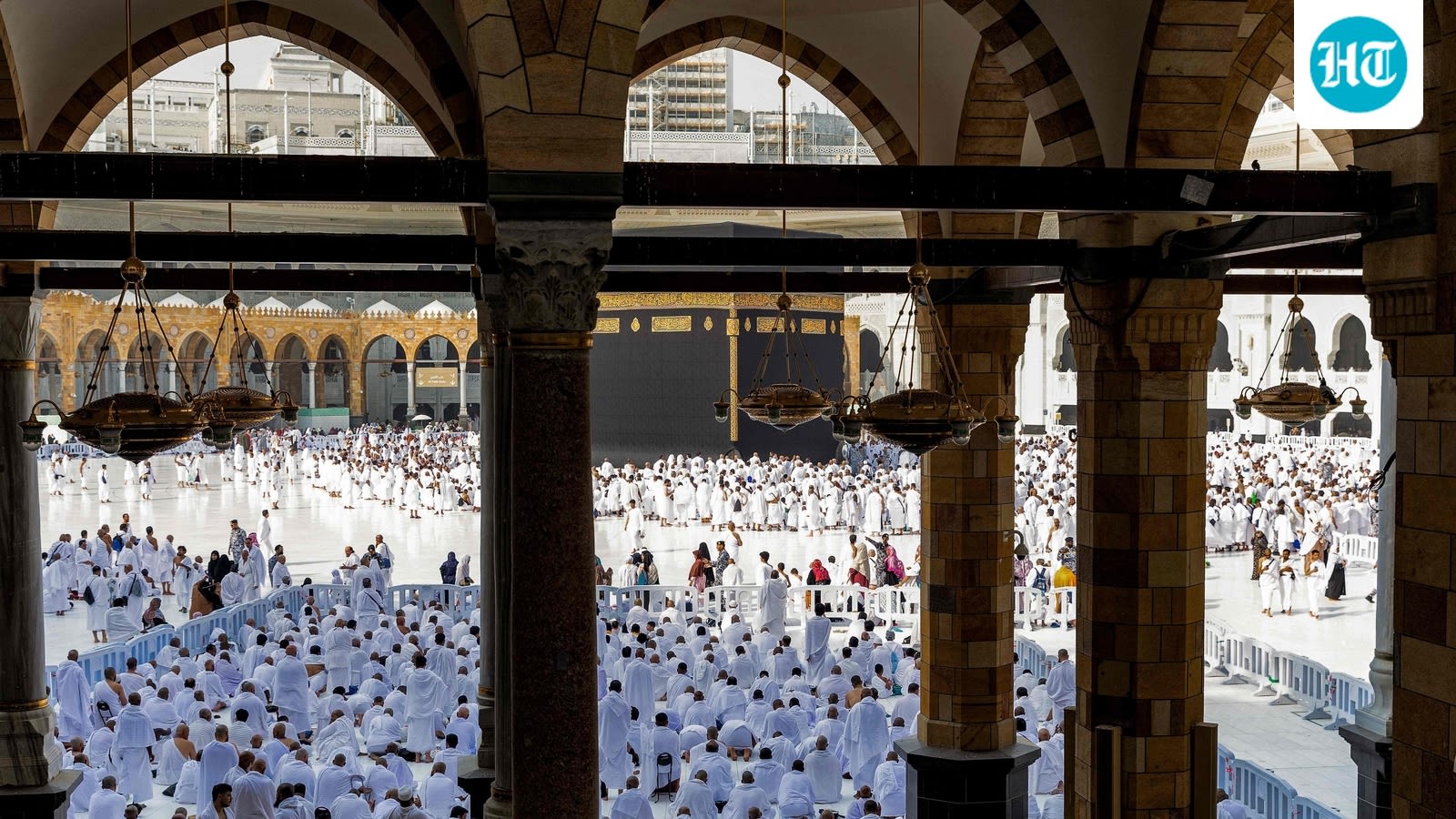
Saudi Arabia successfully intercepted two ballistic missiles launched by Houthi rebels, with debris scattered across Mecca and Medina regions. While the Houthis deny targeting holy sites, the incident underscores escalating regional tensions.
Escalation in the Arabian Peninsula: Analysis of the Houthi Missile Incident
The Incident Overview
Saudi Arabia’s Civil Defence forces recently successfully intercepted two ballistic missiles launched by Yemen’s Houthi militia, aimed toward the sacred regions of Mecca and Medina. While the interception prevented direct impacts on the highly populated and religiously significant areas, the aftermath resulted in debris scattering across critical locations, including Jeddah, Taif, Rabigh, and Wadi Mughamas outside Mecca. The event serves as a stark reminder of the ongoing security challenges facing the Kingdom as it navigates a complex proxy conflict.
Conflicting Narratives and Regional Friction
There remains a significant disparity between the official reports provided by Saudi authorities and the claims issued by the Houthi movement. While Saudi officials have documented the interception and the subsequent falling debris, the Houthi leadership has officially denied targeting holy cities. This disconnect highlights the volatility of information warfare in the region, where claims of 'surgical' strikes on infrastructure—such as oil facilities and airports—are frequently juxtaposed against accusations of recklessness regarding civilian and religious sites.
Security Implications for Saudi Infrastructure
Beyond the symbolic threat to Mecca and Medina, the Houthi group has explicitly claimed responsibility for broader attacks on Saudi oil facilities and airports. This strategy suggests a deliberate attempt to pressure the Saudi economy and disrupt international travel and logistical corridors. The frequency of these attacks, as noted in recent weeks, indicates a shift toward a more persistent attrition-based military strategy, forcing Saudi defense systems to remain in a perpetual state of high alert.
The Humanitarian and Pilgrimage Context
The proximity of the debris to the Grand Mosque Complex in Mecca raises urgent concerns regarding the safety of pilgrims and the local population. Mecca and Medina represent the spiritual centers of the Islamic world, attracting millions of visitors annually. Any threat to these locations is viewed not only as a security breach but as an affront to religious sanctity, which carries profound political and social weight throughout the Muslim world.
Future Trends and Regional Stability
Looking ahead, the pattern of Houthi missile launches suggests that the conflict remains far from a diplomatic resolution. The interception capabilities of Saudi Arabia have proven effective thus far, yet the continuous debris fallout poses a recurring risk to public safety. International observers must monitor whether these incidents lead to a further hardening of regional alliances or a renewed push for mediated de-escalation, as the stability of the Arabian Peninsula remains vital to global energy markets and regional security.
Conclusion
The interception of Houthi missiles over Saudi Arabia is a critical event that underscores the persistent threat posed by the Yemeni conflict. While no casualties have been confirmed from this specific incident, the psychological and infrastructural impact of such attacks remains significant. Continued vigilance and international diplomatic efforts are essential to mitigating the risk of future escalations.
Verification Required?