Putin’s Arctic shadow exposes NATO’s most defenceless ally: Iceland has no army at all? | Russia war
Source Entity
Latest News: Todays Latest News Headlines from India & World | Hindustan Times | Hindustan Times
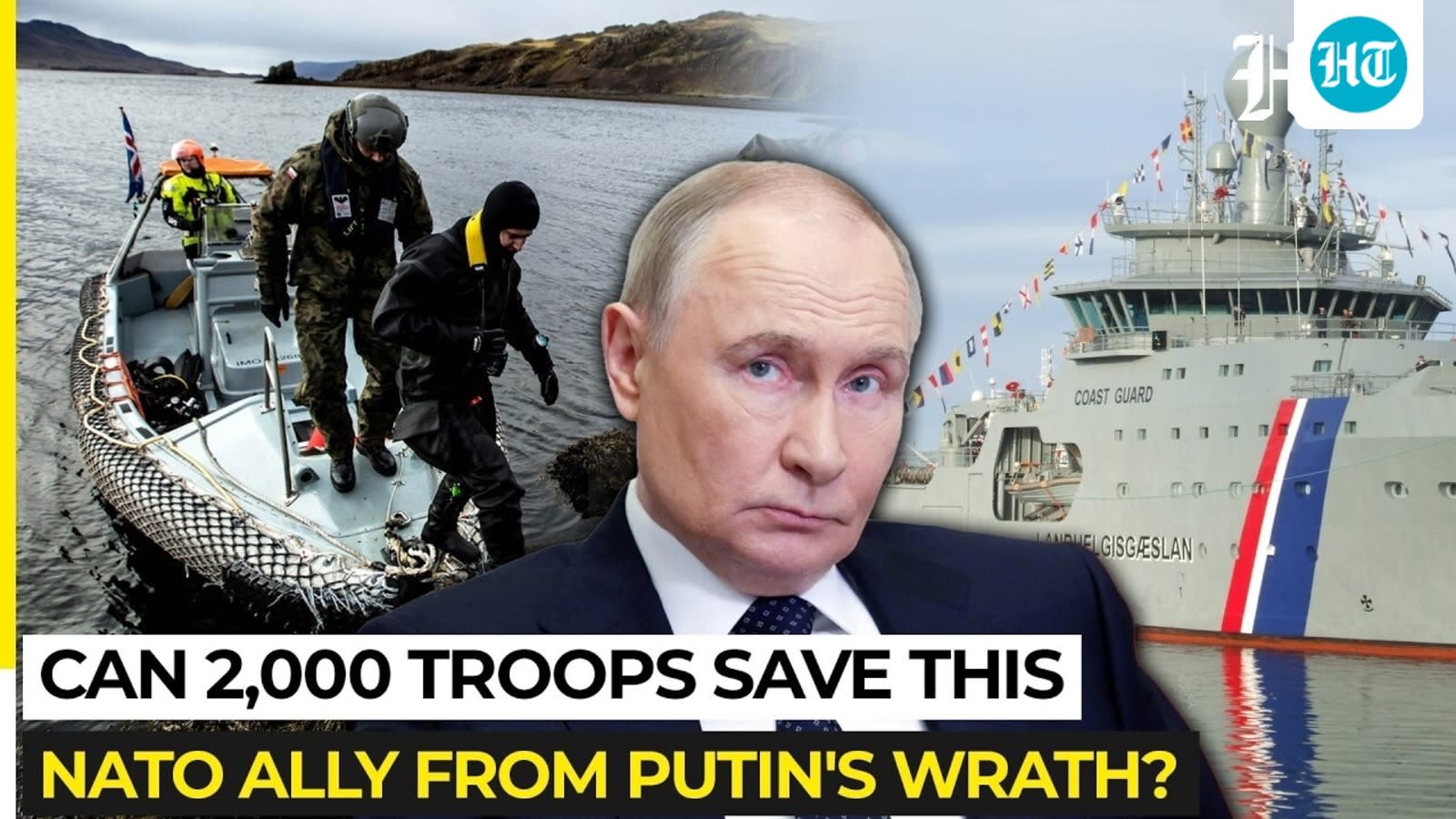
Iceland is debating the creation of a standing military force as rising Russian submarine activity threatens the North Atlantic. This shift could end the nation's decades-long reliance on NATO allies for its defense.
The End of an Era: Iceland’s Security Dilemma
For decades, Iceland has occupied a unique position within the North Atlantic Treaty Organization (NATO), serving as a crucial strategic asset while maintaining no standing army, navy, or air force of its own. This pacifist posture was underpinned by a heavy reliance on the United States and the broader NATO alliance to ensure territorial integrity. However, the current geopolitical climate, characterized by Russia’s aggressive expansionism, has forced Reykjavik to confront the fragility of this arrangement.
The Shadow of Russian Submarine Activity
The primary catalyst for this security reassessment is the surge in Russian submarine activity within the North Atlantic. These waters are vital for global maritime trade and serve as a critical chokepoint for naval operations. As Russian vessels push further into these areas, the vulnerability of Iceland’s exposed position has become impossible to ignore. The current reliance on NATO jets to police Icelandic skies is increasingly viewed as a temporary measure rather than a sustainable long-term strategy.
A Proposed Military Paradigm Shift
In response to these mounting threats, a group known as the 'Guardians of Iceland' has introduced a concrete proposal to fundamentally restructure the nation’s defense. The proposal calls for the establishment of a 2,000-strong standing force, supplemented by an additional 2,000 reservists. Furthermore, the plan envisions a wartime mobilization capacity of up to 40,000 personnel, marking a radical departure from the country’s historical non-militarized status.
Strategic Implications for NATO
If implemented, this shift would have profound implications for NATO’s northern flank. While Iceland has always been a key node in the alliance's infrastructure, moving toward self-defense capabilities would change the nature of its contribution to collective security. It signals a move away from being a 'security consumer' to a potential 'security provider,' which could alleviate some of the burden on the United States and other European allies who currently bear the weight of patrolling these strategic routes.
Future Trends and Challenges
The debate over whether to formalize a military force represents a clash between Iceland’s long-standing cultural identity as a peaceful, unarmed nation and the pragmatic demands of 21st-century power politics. If the proposal gains traction, it will likely trigger a national referendum or intense legislative debate. The outcome will serve as a bellwether for how small, historically neutral or non-militant nations adapt to a multipolar world where the Arctic is increasingly contested by global powers.
Verification Required?