'Like a bomb exploded': How a 2000-ft wide glacier triggered deadly Nepal floods
Source Entity
VIVEK DUBEY
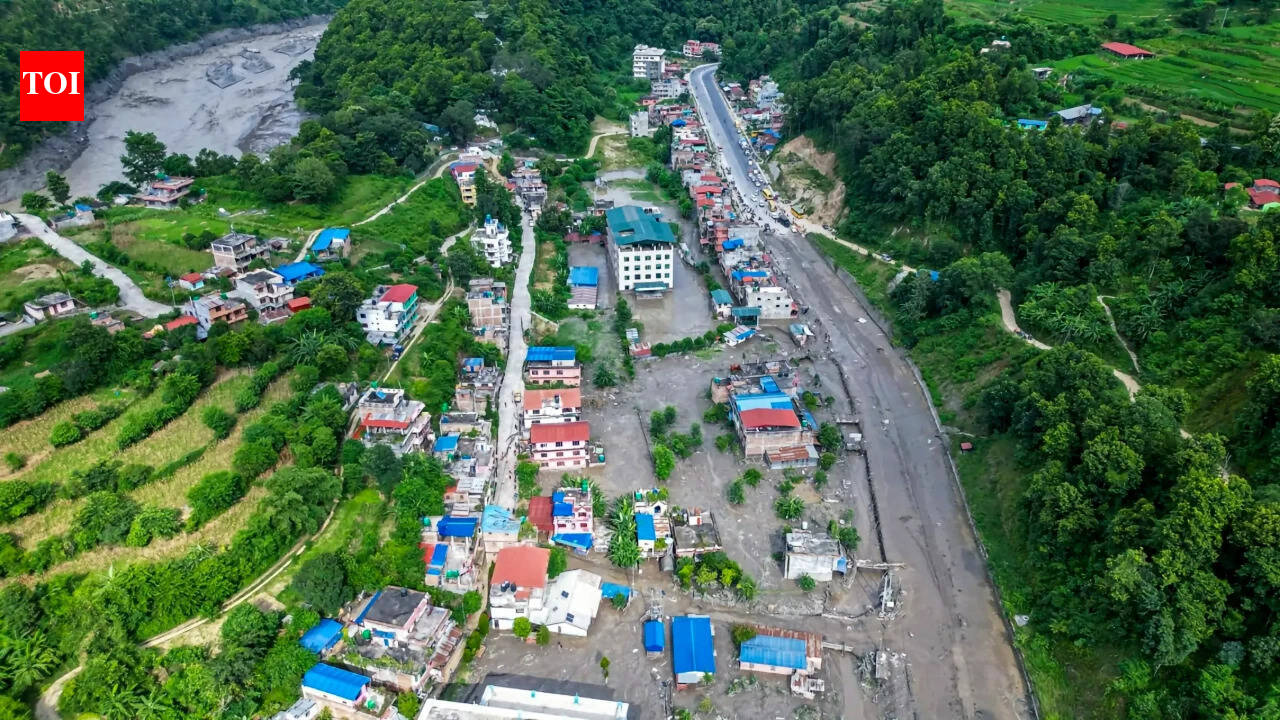
A massive Himalayan glacier collapse in Nepal has triggered deadly floods, prompting high alerts in Indian border states due to rising river levels. Concurrently, tensions have risen in Uttar Pradesh's Rae Bareli district following the defacement of a Dr. B.R. Ambedkar statue.
Himalayan Disaster and Regional Tensions: A Dual Crisis
The Himalayan Glacial Collapse
A catastrophic environmental event unfolded in Nepal’s Himalayan border region, where a massive, 2,000-foot-wide section of a glacier broke away from an altitude of 17,000 feet. Triggered by a magnitude 4.4 earthquake, this ice avalanche sent a lethal torrent of ice, water, and debris crashing into the river valleys below. The event serves as a harrowing reminder of the instability inherent in rapidly warming mountain ecosystems, where glacial retreat and seismic activity create a volatile environment for downstream communities.
Downstream Implications for India
The impact of this disaster extends well beyond Nepal’s borders, placing Indian states—specifically Uttar Pradesh and Bihar—on high alert. As the floodwaters move through the river systems, including the Trishuli and Gandak, authorities fear that the combination of the glacial surge and the potential release of water from barrage gates will cause dangerous spikes in the Ghaghara, Rapti, and Kosi rivers. With nearly 400 tourists, including 105 Indian nationals, reported missing, the humanitarian scale of this event is significant and continues to evolve.
Social Unrest in Rae Bareli
Simultaneously, a distinct crisis of social order has emerged in the Baburiha village of the Rae Bareli district in Uttar Pradesh. On August 25, 2026, the discovery of mud and soot smeared on a statue of Dr. B.R. Ambedkar sparked immediate communal tension. The act of vandalism against a figure as significant as Dr. Ambedkar has incited widespread anger among local residents, necessitating a heavy police deployment to maintain public order.
The Intersection of Governance and Crisis
While the glacial flood and the statue vandalism appear unrelated, both events highlight the acute pressures facing regional administrations. In Rae Bareli, local police and senior officials, including the Additional Superintendent of Police, have been forced to intervene to prevent the escalation of local grievances into broader civil unrest. The promise of a swift investigation is a critical attempt to restore community trust in a sensitive political climate.
Future Trends and Resilience
Looking ahead, both the environmental and social challenges underscore the need for improved infrastructure and community relations. The Himalayan catastrophe emphasizes the urgent requirement for better early-warning systems in transboundary river management, as climate change continues to increase the frequency of such glacial events. Similarly, the incident in Rae Bareli illustrates the ongoing necessity for local authorities to address social sensitivities proactively to prevent the disruption of communal harmony.
Conclusion
In summary, the region is currently grappling with both an environmental disaster of international proportions and localized social friction. As Nepal and India coordinate on flood relief and monitoring, and as authorities in Uttar Pradesh pursue the perpetrators of the vandalism, the primary focus remains on stabilizing the affected populations and mitigating further loss of life or social cohesion.
Multiple Citing Sources