Getting around Madras on autorickshaws
Source Entity
India Latest News: Top National Headlines Today & Breaking News | The Hindu
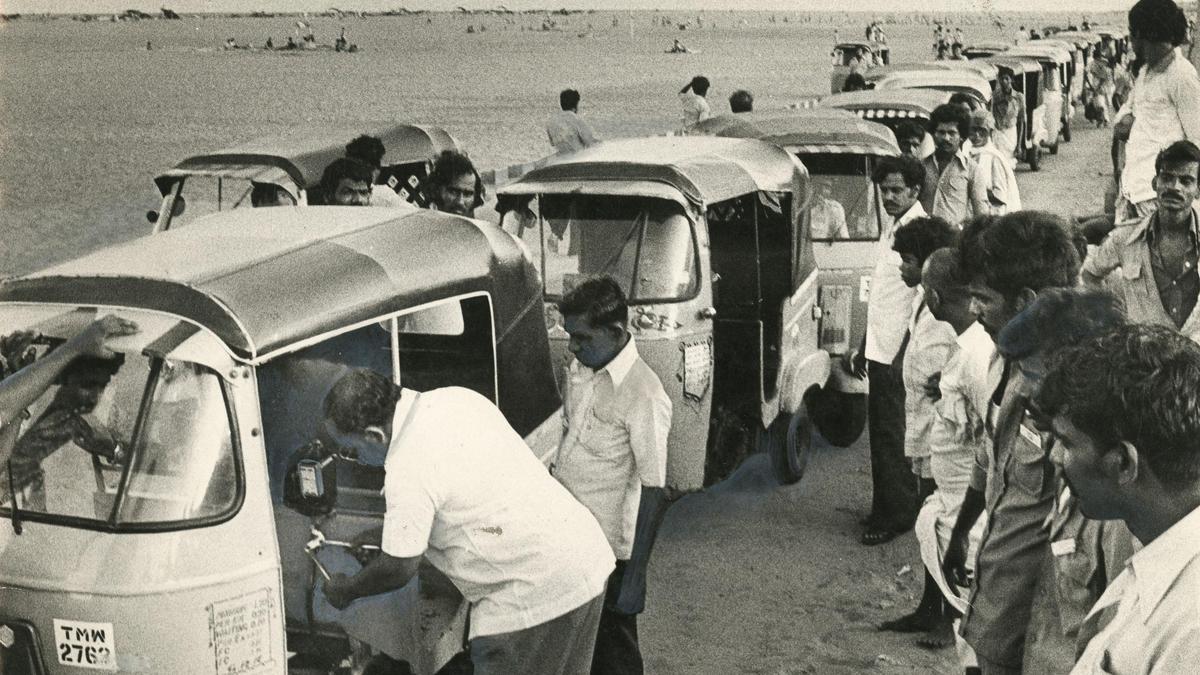
Chennai's public transport landscape has evolved from 19th-century bicycles and animal-drawn vehicles to a massive network of 100,000 autorickshaws and 4,000 buses. These transit modes serve as essential lifelines for millions of daily commuters, despite persistent challenges with traffic discipline and infrastructure. The city's transit history reflects a deep cultural connection between residents and their daily modes of travel.
The Evolution of Urban Mobility in Chennai
Chennai, historically known as Madras, has undergone a profound transformation in its transportation landscape over the last century and a half. From the early days of animal-drawn rekla carts and the introduction of bicycles in the 1880s, the city has continuously adapted to the growing demands of its population. The shift from rudimentary personal transport to a massive, multi-modal public transit network underscores the city’s rapid urbanization and the resilience of its residents.
The Rise of the Autorickshaw
The autorickshaw, a quintessential feature of Chennai's streets, represents a meteoric rise in popularity and necessity. Emerging in the early 1970s with a humble fleet of roughly 200 vehicles, the sector has exploded to an estimated 100,000 units by 2026. Catering to approximately 1.5 million passengers daily, the autorickshaw serves as a crucial 'last-mile' connector. Despite a documented 'love-hate' relationship with the public—often stemming from traffic violations and the cat-and-mouse game between authorities and operators—the autorickshaw remains an indispensable tool for residents in a hurry.
The MTC Bus: A Social and Economic Lifeline
If the autorickshaw provides agility, the Metropolitan Transport Corporation (MTC) buses provide the sheer capacity required to keep the city moving. Following the demise of the city's tram service in 1953, buses transitioned into the primary backbone of public transit. Today, a fleet of 4,000 buses manages the heavy lifting, ferrying over 3.2 million passengers daily. The significance of these buses transcends mere utility; they foster social cohesion, as evidenced by long-standing traditions of community appreciation for bus crews and the emotional bonds formed between commuters and their daily transport.
Historical Context of Two-Wheelers
The narrative of Chennai’s roads began long before motorized transport. The bicycle, which arrived in the 1880s, faced early scrutiny regarding safety and regulation, with records from 1899 noting fines for reckless cycling. The subsequent integration of motorized two-wheelers, facilitated by local manufacturing giants like Royal Enfield, solidified the two-wheeler's status as the most convenient mode of personal transport for the average citizen, a trend that persists into the modern era.
Regulatory Challenges and Adaptation
A recurring theme in the history of Chennai’s transport is the perpetual struggle of regulatory authorities to keep pace with the rapid expansion of vehicle numbers. Whether dealing with the early cyclists of the 19th century or the massive influx of autorickshaws in the 21st, the administration has consistently found itself one step behind. This dynamic suggests that infrastructure development in the city has often been reactive rather than proactive.
Future Trends and Cultural Significance
Looking ahead, the future of Chennai’s mobility will likely hinge on balancing the high-volume demand of public buses with the flexible, albeit chaotic, nature of the autorickshaw sector. The emotional connection residents hold toward these vehicles—seen in the public celebrations of bus routes and the reliance on the autorickshaw—indicates that these modes of transport are not just logistical necessities but are woven into the cultural fabric of the city. As the population grows, the challenge will remain in formalizing these systems to ensure safety without losing the accessibility that makes them the city's true lifelines.
Multiple Citing Sources
Verification Required?