Hillary Clinton says ‘India, China could hold the key’ to Trump’s Iran exit
Source Entity
The Indian Express
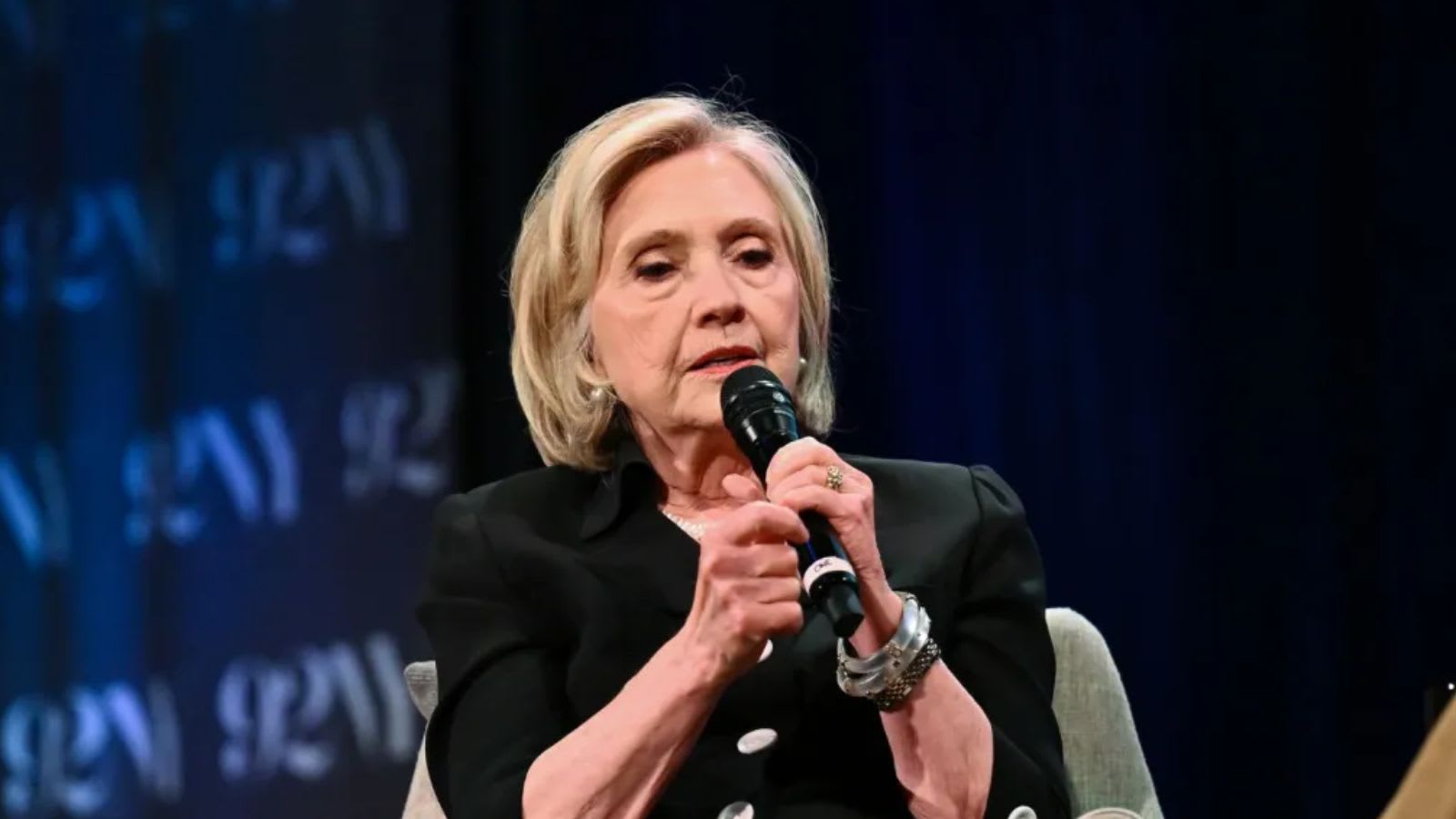
Former Secretary of State Hillary Clinton suggests that India and China could facilitate a resolution to the US-Iran conflict. She argues that their status as primary buyers of Iranian energy provides them with unique diplomatic leverage.
The Geopolitical Calculus: India and China as Diplomatic Mediators
Former United States Secretary of State Hillary Clinton has identified a strategic pathway to de-escalating tensions between Washington and Tehran, positing that India and China hold the essential keys to a resolution. By leveraging their status as the primary consumers of Iranian energy, these two nations possess a unique form of economic influence that could theoretically compel Iran to the negotiating table. This perspective shifts the focus from traditional Western-led sanctions regimes toward a more nuanced, multi-polar approach to international diplomacy.
The Leverage of Energy Dependency
The core of Clinton’s assessment rests on the reality of global energy markets. As the largest importers of Iranian oil and gas, India and China maintain a symbiotic economic relationship with Tehran. This dependency acts as a double-edged sword; while it keeps the Iranian economy afloat amidst Western pressure, it also grants New Delhi and Beijing considerable leverage. If these nations were to coordinate their diplomatic efforts, they could potentially exert significant pressure on Iran to alter its regional policies or engage in constructive dialogue with the United States.
Moving Beyond Traditional Sanctions
For years, the U.S. approach to Iran has been defined largely by the implementation of unilateral and multilateral sanctions designed to isolate the Iranian economy. Clinton’s suggestion marks a departure from this static model, implying that the 'way out' for the Trump administration—or any U.S. executive—may require engaging with the actors who actually sustain Iran’s economic viability. By incentivizing India and China to use their purchasing power as a diplomatic bargaining chip, the U.S. could theoretically create a new framework for regional stability.
Historical Context and Regional Implications
Historically, India and China have preferred a policy of non-interference and strategic autonomy in West Asian affairs. Both nations have consistently sought to balance their growing partnerships with the United States against their vital energy needs and geopolitical interests in the Middle East. Clinton’s call to action challenges this neutrality, suggesting that the scale of the current conflict has reached a point where these global powers can no longer afford to remain passive observers of regional instability.
Future Trends in Middle Eastern Diplomacy
Looking forward, this proposal highlights the shifting nature of global power dynamics. As the U.S. seeks to navigate the complexities of the Iranian nuclear and regional security issue, the utility of traditional alliances may be supplemented by the pragmatic engagement of emerging Asian giants. If New Delhi and Beijing choose to play a more active role, it would signal a broader transition toward a multipolar diplomatic order where energy-consuming nations play as much of a role in conflict resolution as the traditional military and political powers of the West.