Centre closely monitoring flood-situation in Nepal, water levels in reservoirs on Nepal side receding: MHA
Source Entity
India Latest News: Top National Headlines Today & Breaking News | The Hindu
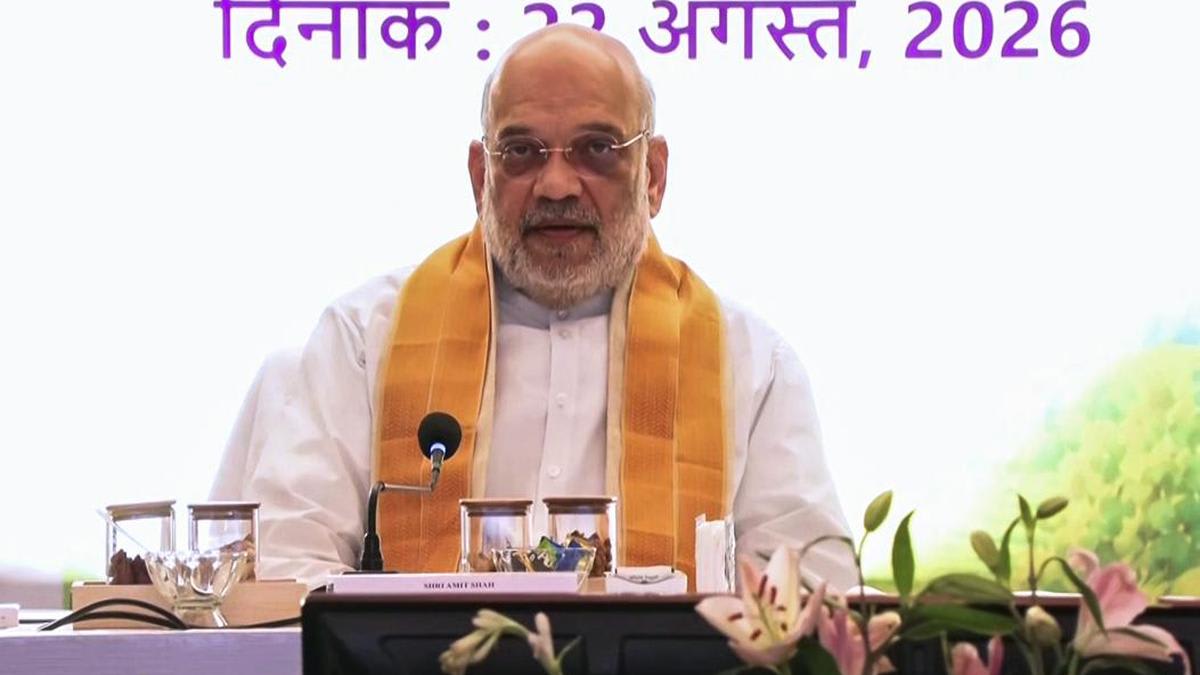
A massive flash flood in Nepal, potentially triggered by an ice-rock avalanche on the Tibet border, has caused severe destruction in the Rasuwa and Nuwakot districts. India is closely monitoring the situation as the surge travels downstream, with Home Minister Amit Shah coordinating vigilance across border states.
The Catastrophic Flash Floods in the Himalayas
On Wednesday, August 26, 2026, a devastating flash flood struck Nepal’s Rasuwa district, sending a torrent of water, sediment, and boulders surging through the Bhote Koshi and Trishuli rivers. This event, which has led to harrowing rescue operations for submerged homes in the Nuwakot district, underscores the extreme vulnerability of the Himalayan landscape to sudden, high-magnitude natural disasters.
Scientific Investigation into the Trigger
Scientists from the International Centre for Integrated Mountain Development (ICIMOD), in collaboration with institutions in Nepal and China, are currently investigating the origins of the surge. Preliminary analysis suggests that an ice-rock avalanche from a high-altitude area near the Nepal-Tibet border may have acted as the primary catalyst. Such events are becoming increasingly scrutinized as the Hindu Kush Himalaya (HKH) region undergoes significant geological and climatic stress.
The Geological Fragility of the Himalayas
Nepal’s geography is inherently prone to such disasters due to the constant tectonic movement of the Himalayas and the presence of volatile glacial lakes. The combination of high-altitude ice instability and the steep, rugged terrain creates a recipe for rapid mass-wasting events. When an ice-rock avalanche occurs, it can displace massive volumes of water and debris, creating a 'dam-break' effect that travels downstream with catastrophic force.
Regional Cooperation and Cross-Border Impact
Because these river systems—specifically the Gandak river basin—transcend national borders, the impact of the flood is not localized to Nepal. The Indian Ministry of Home Affairs has acknowledged that the surge is expected to travel downstream into Indian territory. Union Home Minister Amit Shah has taken an active role, communicating directly with the Chief Ministers of Bihar and Uttar Pradesh to ensure that border authorities are prepared for potential downstream flooding.
Broader Implications for Disaster Management
This disaster highlights the critical need for robust, real-time communication between Nepal, China, and India regarding hydrological data. The role of ICIMOD is pivotal here, as it serves as a bridge for intergovernmental cooperation in the HKH region. The incident serves as a stark reminder that as the climate continues to shift, the stability of mountain slopes and glacial regions remains a primary concern for the safety of millions living in the river valleys below.
Conclusion and Future Outlook
As rescue efforts continue, the focus will likely shift to long-term monitoring and mitigation strategies. Protecting the HKH region requires a combination of advanced satellite monitoring to detect potential ice-rock instability and the strengthening of trans-border early warning systems. The tragedy in Rasuwa and Nuwakot is a sobering indicator that the stability of the 'Third Pole' is essential to the security of the entire South Asian region.
Multiple Citing Sources
Verification Required?