Nepal floods: PM Modi speaks to Balendra Shah, offers humanitarian assistance
Source Entity
India Latest News: Top National Headlines Today & Breaking News | The Hindu
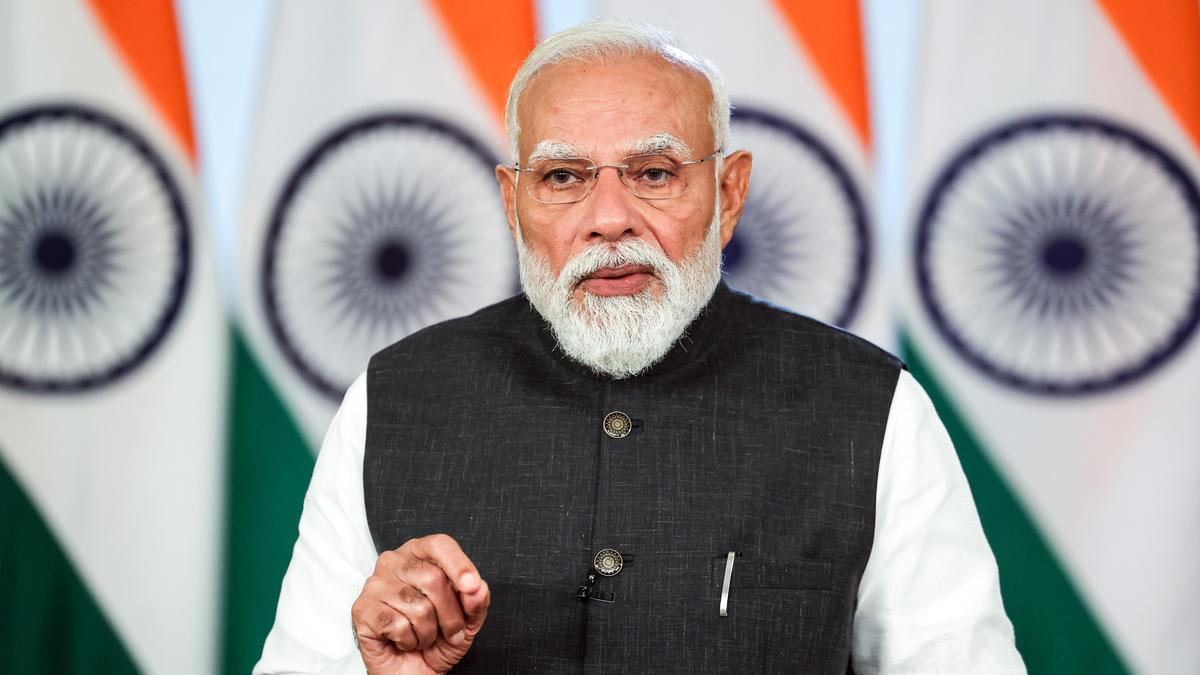
Prime Minister Narendra Modi has offered humanitarian assistance to Nepal following devastating flash floods in the Rasuwa district. The catastrophe has left nearly 400 people missing, including 105 Indian citizens traveling for the Kailash Manasarovar Yatra.
Devastating Flash Floods Strike Nepal
On Wednesday, August 26, 2026, a catastrophic flash flood event struck central Nepal, specifically targeting the Rasuwa district along the border with Tibet. Triggered by an outburst in the Bhotekoshi River, the surge of water and debris descended upon settlements, causing widespread destruction of homes and critical infrastructure. The suddenness and intensity of the flood have resulted in significant loss of life and have rendered at least a dozen hydropower projects inoperative, severely impacting the region’s energy stability and local economy.
The Humanitarian Crisis and Missing Persons
The scale of this disaster is compounded by the high number of individuals currently missing. Officials report that nearly 400 people are unaccounted for following the deluge. Among those missing are 105 Indian citizens and 37 NRIs, many of whom were en route to the Kailash Manasarovar Yatra in Tibet. This pilgrimage route, which traverses the rugged terrain of the Himalayas, makes travelers particularly vulnerable to the unpredictable meteorological shifts and hydrological hazards common in this high-altitude region.
Diplomatic Response and Solidarity
In response to the unfolding tragedy, Indian Prime Minister Narendra Modi engaged in direct communication with his Nepalese counterpart, Balendra Shah. During this discussion, PM Modi conveyed his deepest condolences for the lives lost and officially extended India’s commitment to providing comprehensive humanitarian assistance. This diplomatic outreach underscores the deep-seated bilateral ties between the two nations, which are often characterized by mutual cooperation during times of environmental crisis.
Regional Infrastructure and Economic Impact
The destruction of at least a dozen hydropower projects poses a long-term challenge for Nepal’s development. Nepal’s reliance on its river systems for renewable energy makes it highly susceptible to the physical damage caused by glacial lake outbursts and flash floods. The loss of these assets will likely hinder the country's energy production capacity and necessitate significant investment in infrastructure reinforcement and early-warning systems to mitigate the impact of future climate-induced disasters.
Future Trends and Resilience
This incident highlights the growing necessity for enhanced trans-border disaster management protocols between India, Nepal, and China. Given the shared geography of the Himalayas, the region faces increasing threats from extreme weather events. Future efforts will likely focus on improving real-time hydrological monitoring and streamlining search-and-rescue operations for pilgrims and locals alike. The solidarity expressed by the Indian government serves as a foundational pillar for the collaborative recovery efforts required to stabilize the affected districts and ensure the safety of transit corridors in the future.
Verification Required?