How buses became the lifeline of Madras
Source Entity
India Latest News: Top National Headlines Today & Breaking News | The Hindu
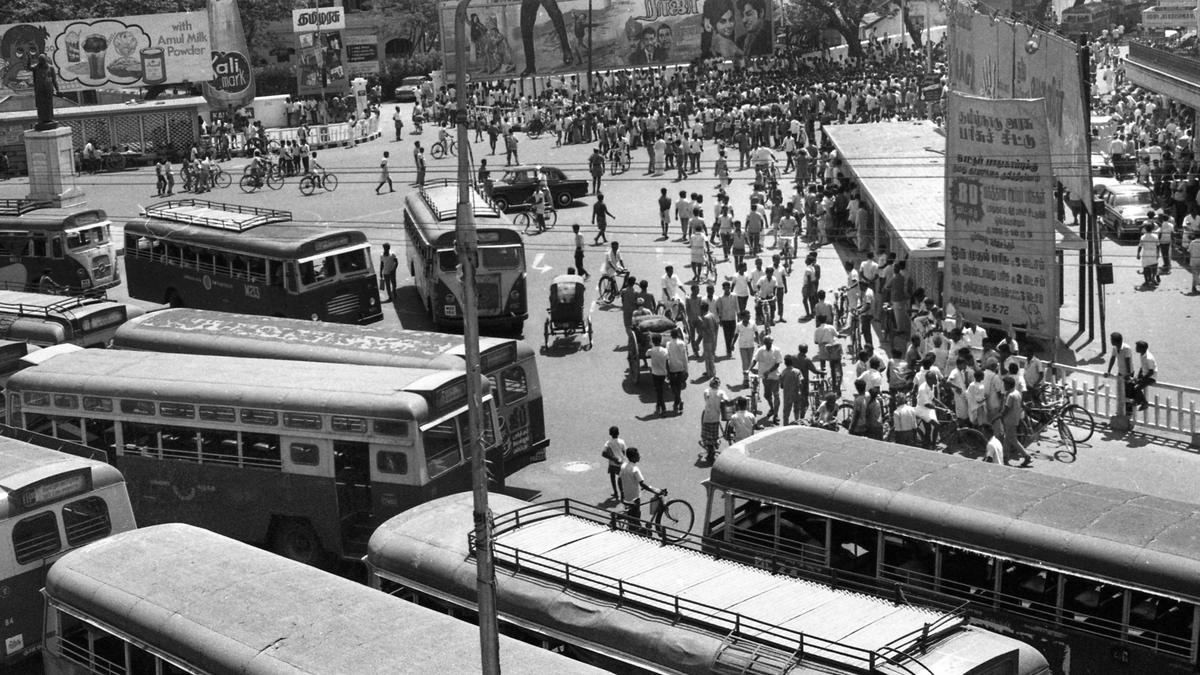
Chennai's urban mobility has evolved from 19th-century bicycles and animal-drawn vehicles to a massive network of 100,000 autorickshaws and 4,000 MTC buses. These transport modes serve as critical lifelines for millions of daily commuters, despite long-standing challenges regarding traffic discipline and infrastructure capacity.
The Evolution of Urban Mobility in Chennai
The history of transportation in Chennai, formerly Madras, is a testament to the city's rapid urbanization and the persistent struggle to balance infrastructure with the growing needs of its populace. From the introduction of bicycles in the 1880s to the modern reliance on a fleet of 4,000 MTC buses and 100,000 autorickshaws, the city's transit landscape has undergone a dramatic transformation. This evolution reflects not just a change in technology, but a shift in the social fabric of the city, where these vehicles have become more than mere utilities; they are cultural touchstones that sustain the daily lives of millions.
The Rise of the Autorickshaw Lifeline
In the early 1970s, autorickshaws were a rarity in Madras, with estimates numbering just 200 in 1973. By 2026, that figure has exploded to approximately 100,000, catering to an estimated 1.5 million passengers daily. While they are often viewed through a lens of a 'love-hate relationship' due to recurring issues with traffic rule violations and regulatory gaps, their indispensability is undeniable. When residents are in a hurry, the autorickshaw remains the primary choice for navigating the city's complex grid, serving as a flexible, albeit chaotic, backbone of local connectivity.
MTC Buses: The Heartbeat of Daily Commute
Parallel to the growth of private and para-transit, the Metropolitan Transport Corporation (MTC) buses have solidified their role as the city’s true lifeline. Since the demise of the tram service in 1953, buses have scaled their operations to ferry 32.85 lakh passengers every single day. The relationship between the public and these buses is deeply emotional, characterized by long-standing traditions—such as the 35-year tradition in Melapedu of honoring bus crews—and individual moments of connection, like the viral 2023 video of a driver bidding an emotional farewell to his retiring vehicle.
Historical Context of Two-Wheelers
Before the roar of motorbikes, the city relied on animal-drawn rekla carts and the emerging trend of bicycles. By the late 19th century, cycling had become sufficiently popular to warrant public discourse and police intervention, as evidenced by 1899 reports of cyclists being fined for negligent riding. The subsequent arrival of motorized two-wheelers, facilitated by local manufacturing giants like Royal Enfield, cemented the city's preference for personal mobility. This shift fundamentally altered traffic patterns, creating a complex road environment that authorities have struggled to regulate for decades.
Regulatory Challenges and Future Trends
Throughout this historical trajectory, the municipal authorities have consistently remained a step behind the rapid expansion of transport modes. The struggle to integrate these diverse layers of transit—from bicycles to high-density bus routes—suggests that future trends will likely focus on better demand management and infrastructure synchronization. As the city continues to grow, the challenge will be to transition from a reactive regulatory stance to a proactive planning model that respects the cultural significance of these transport lifelines while improving safety and efficiency.
Conclusion
Chennai’s transport history is a narrative of adaptation. Whether it is the humble bicycle or the ubiquitous autorickshaw, these modes of transport are woven into the identity of the city. While the 'love-hate' dynamic persists, the reliance on these systems is absolute. Understanding this history is essential for any future urban planning efforts, as the city continues to navigate the complexities of moving millions in an ever-expanding urban environment.
Multiple Citing Sources
Verification Required?