Nepal floods: Government keeping close watch on situation; Amit Shah speaks to CMs of UP, Bihar
Source Entity
The Indian Express
A catastrophic flash flood in Nepal, potentially triggered by a high-altitude ice-rock avalanche, has prompted an urgent regional response. Indian officials are monitoring the situation as the surge travels downstream, threatening border areas in Bihar and Uttar Pradesh.
The Cascading Crisis: Understanding Nepal's Flash Floods
On Wednesday, August 26, 2026, the Rasuwa district of Nepal became the epicenter of a devastating environmental disaster. Flash floods, characterized by a lethal mixture of water, sediment, and massive boulders, surged through the Bhote Koshi and Trishuli river systems. The immediate human cost was captured in harrowing scenes of rescue operations, where emergency responders utilized heavy earthmoving equipment to reach submerged homes in the Nuwakot district, illustrating the sheer destructive power of the debris flow.
The Scientific Investigation into Triggers
Experts from the International Centre for Integrated Mountain Development (ICIMOD), working alongside research institutions in China and Nepal, have launched a critical investigation into the origins of the surge. The primary hypothesis suggests that an ice-rock avalanche from a high-altitude region near the Nepal-Tibet border may have acted as the catalyst. This phenomenon, increasingly common in the Hindu Kush Himalaya (HKH) region, occurs when unstable glacial ice and rock masses collapse into glacial lakes, causing them to breach and release massive volumes of water instantaneously.
Geological Vulnerability of the Himalaya
The Himalayan region is inherently dynamic, characterized by constant tectonic shifts and steep, fragile topography. This environment makes the region exceptionally vulnerable to 'glacial lake outburst floods' (GLOFs) and related mass-wasting events. As the climate shifts, the stability of these high-altitude slopes is tested, turning the mountains into a volatile landscape where a single geological failure can have catastrophic downstream consequences for thousands of residents living in river valleys.
Regional Implications and Cross-Border Coordination
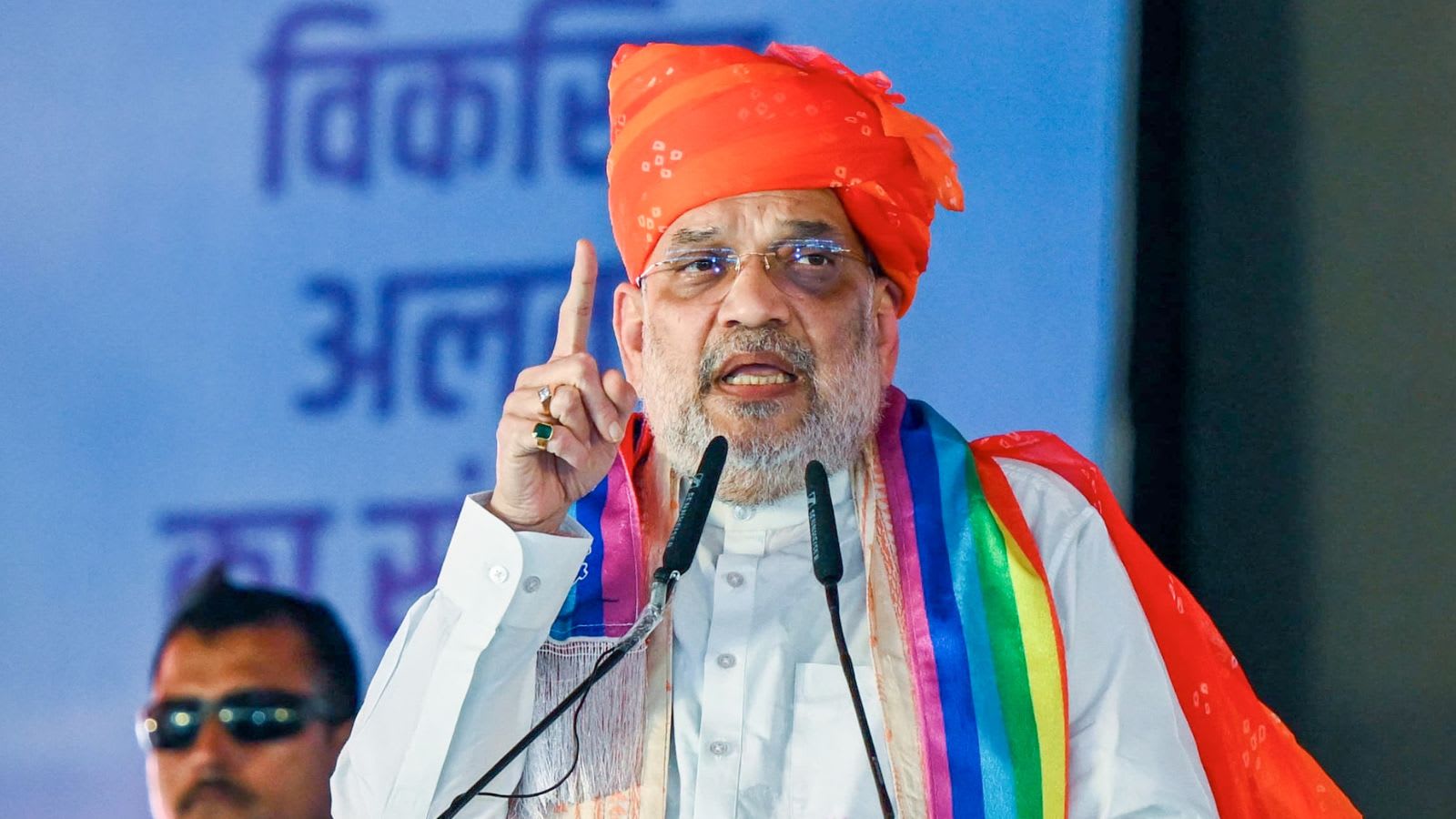
The disaster has necessitated immediate international cooperation, as the impact is not confined to the mountainous regions of Nepal. The flash flood’s surge is expected to travel downstream into India via the Gandak river system. Recognizing the potential for widespread damage in India, Union Home Minister Amit Shah has engaged in high-level discussions with the Chief Ministers of Uttar Pradesh and Bihar to coordinate emergency preparedness and disaster mitigation efforts.
Strategic Monitoring and Future Trends
As the Ministry of Home Affairs (MHA) maintains a close watch on the situation, the incident serves as a stark reminder of the interconnected nature of Himalayan hydrology. The collaboration between ICIMOD and regional partners highlights the necessity for integrated, transboundary early warning systems. Moving forward, the ability to predict these high-altitude avalanches and their potential to trigger GLOFs will be the most significant factor in mitigating future loss of life in the region.
Concluding Summary
The tragedy in Nepal underscores the precarious balance between human settlement and the evolving physical geography of the Himalayas. While rescue operations continue, the focus must inevitably shift toward long-term regional resilience. By integrating scientific research with robust cross-border political communication, nations like India and Nepal can better navigate the escalating risks posed by the volatile, climate-sensitive terrain of the HKH region.
Multiple Citing Sources