15 Infants Charred To Death After AC Compressor Blast At Pakistan Hospital
Source Entity
NDTV News Search Records Found 1000
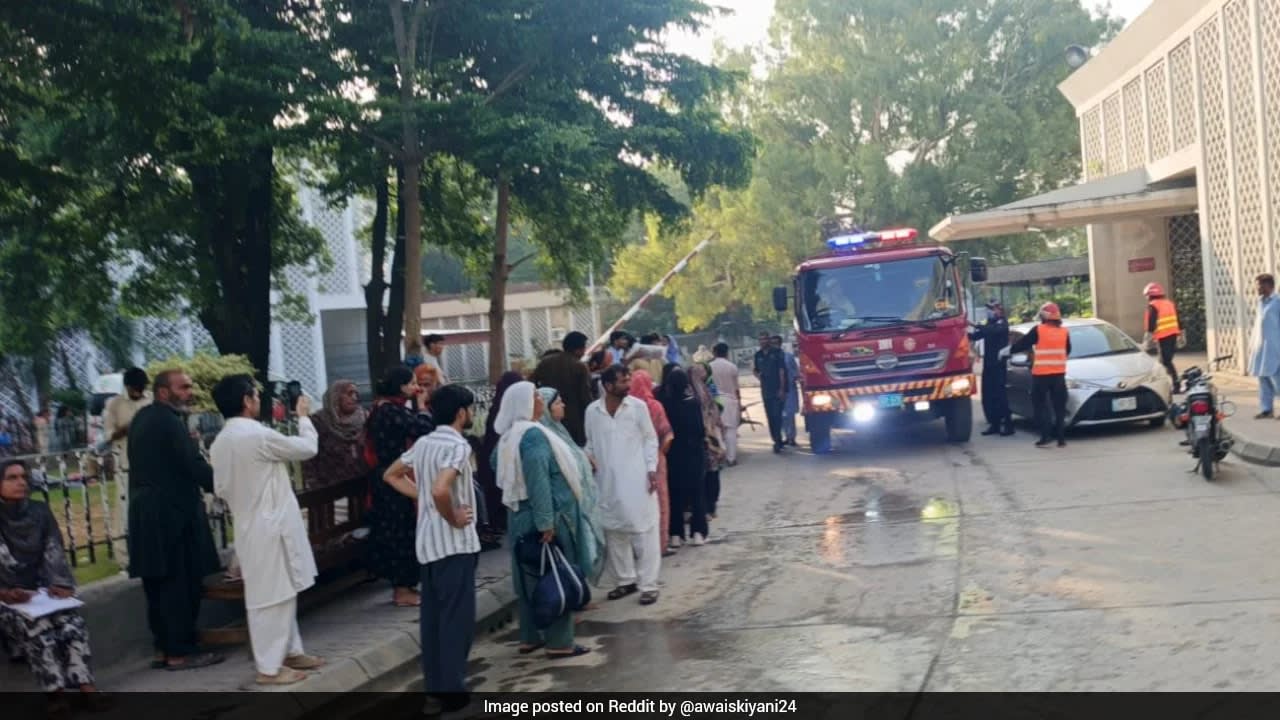
A tragic fire at the Pakistan Institute of Medical Sciences (PIMS) maternity ward in Islamabad resulted in the deaths of 14 to 15 infants. The blaze, reportedly caused by an air-conditioning unit compressor failure, has sparked intense scrutiny over hospital safety protocols and emergency response times.
Tragedy at PIMS: A Crisis of Infrastructure and Safety
A devastating fire at the Pakistan Institute of Medical Sciences (PIMS) in Islamabad has claimed the lives of at least 14 to 15 newborn infants. The blaze, which erupted shortly after dawn on Wednesday within the hospital's maternity and gynaecological ward, has left the nation in shock and raised immediate questions regarding the safety standards of public health facilities in the capital.
Origins and Cause of the Blaze
Preliminary reports from rescue sources and local media indicate that the disaster was likely triggered by a technical failure. An air-conditioning unit compressor reportedly exploded inside the nursery, with some sources pointing to a short circuit in the cooling system as the primary ignition point. The fire, which broke out at approximately 6:45 AM, quickly overwhelmed the ward, turning a place of healing into a scene of panic and destruction.
Conflicting Accounts on Ward Security
As families grapple with the loss, controversy has emerged regarding the accessibility of the ward during the emergency. Witnesses and parents have alleged that doors were locked, forcing families to wait for assistance while the fire spread. Conversely, hospital officials have disputed these claims, asserting to the BBC that the ward was not locked but rather manned by security guards intended to protect the infants. This discrepancy highlights a critical tension between the necessity of neonatal security and the requirement for rapid evacuation routes during life-threatening emergencies.
The Human Cost and Emergency Response
Personal accounts from the scene paint a harrowing picture of the evacuation. Hivsa Walid, who was present at the hospital to support a relative, described the chaotic scene as the ward filled with smoke. Many parents reported feeling abandoned during the critical early minutes of the fire, noting that help did not arrive for hours. These testimonies suggest significant gaps in the hospital's emergency preparedness and the effectiveness of fire suppression protocols in high-dependency units.
Broader Implications for Public Healthcare
This incident serves as a grim reflection of the challenges facing Pakistan's public healthcare sector. The reliance on aging infrastructure, combined with potentially inadequate maintenance of critical systems like HVAC units, poses a constant threat to patient safety. The failure of a climate-control system to operate safely in a nursery environment highlights the urgent need for comprehensive safety audits across all government-run medical institutions to prevent future tragedies.
Conclusion and Future Outlook
As cooling operations conclude and investigations begin, the focus must shift toward accountability and systemic reform. The loss of these infants is not merely a localized disaster but a symptom of broader institutional vulnerabilities. Moving forward, authorities must prioritize the modernization of fire safety systems and the rigorous training of staff in emergency evacuation procedures to ensure that hospitals remain sanctuaries of life rather than sites of preventable tragedy.
Verification Required?