IIT Bombay develops low-cost blood test to screen for anaemia, Sickle Cell Disease
Source Entity
Purnima Sah
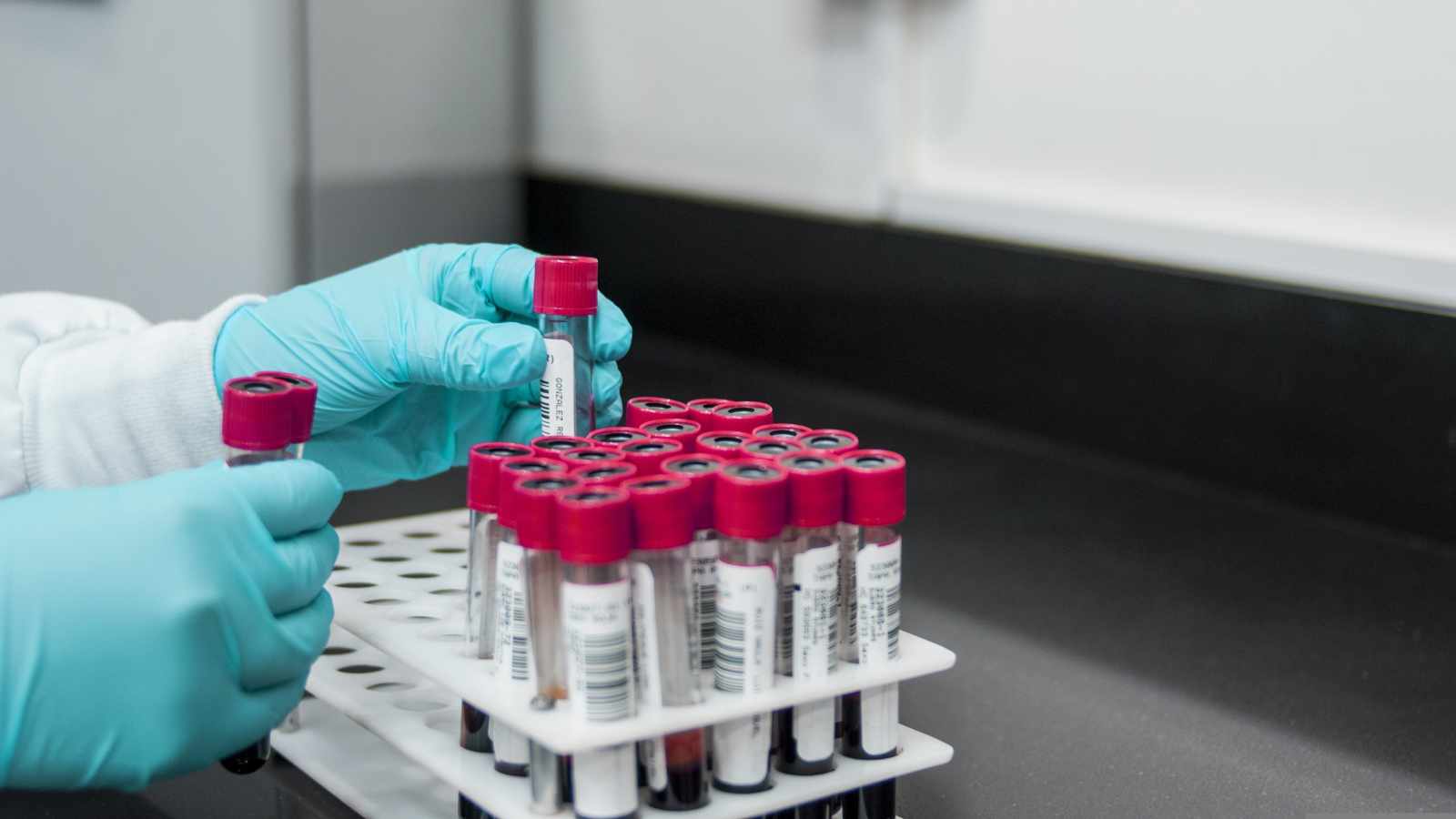
IIT Bombay researchers have developed a low-cost, innovative blood testing technique to screen for anaemia and Sickle Cell Disease. By analyzing how blood spreads on a glass slide, this method aims to standardize diagnostic accuracy and improve accessibility.
Innovation in Diagnostic Hematology
Researchers at the Indian Institute of Technology (IIT) Bombay have pioneered a significant advancement in diagnostic technology by developing a low-cost method to screen for severe anaemia and Sickle Cell Disease (SCD). Led by Professor Mahesh S. Tirumkudulu of the Department of Chemical Engineering, the study, recently published in the journal Lab on a Chip, utilizes the fundamental physics of fluid dynamics to analyze how a drop of blood spreads across a glass slide. This development addresses critical gaps in current diagnostic capabilities, particularly in resource-limited settings where rapid and accurate screening is essential.
The Problem with Conventional Smears
Traditionally, the diagnosis of blood disorders relies on manual blood smears. In this conventional process, a technician deposits a drop of blood onto a slide and manually spreads it into a thin film. The primary challenge with this methodology is the inherent variability in sample preparation. The thickness and uniformity of the smear are heavily dependent on the skill of the technician, which can lead to inconsistent diagnostic results when a pathologist examines the cells under a microscope. This human-centric variability often complicates the detection of subtle cellular abnormalities associated with conditions like SCD.
Scientific Mechanism and Methodology
By focusing on the behavior of blood as a fluid on a surface, the IIT Bombay team has sought to standardize the diagnostic process. The technique essentially quantifies the spreading patterns of blood, which are dictated by the physical properties of the sample. Because individuals with anaemia or Sickle Cell Disease exhibit different blood rheology—or flow characteristics—the way the drop spreads across the slide acts as a biological fingerprint. This automated approach removes the subjectivity of manual smearing, providing a more reliable foundation for clinical assessment.
Broader Implications for Global Health
Sickle Cell Disease and severe anaemia represent significant public health challenges, particularly in regions with limited access to sophisticated laboratory infrastructure. By leveraging a simple glass slide and a drop of blood, this low-cost technique holds the potential to democratize healthcare. If implemented at scale, it could allow community health workers to perform effective screenings in remote areas, facilitating earlier intervention and better management of chronic blood disorders, which is vital for improving patient outcomes.
Future Trends in Diagnostic Technology
The shift toward physics-based diagnostic tools marks a growing trend in biomedical engineering. As researchers continue to move away from expensive, machine-heavy diagnostic pathways, the focus is increasingly on 'frugal innovation' that maximizes existing materials like standard glass slides. This research by IIT Bombay aligns with a global trend of simplifying complex diagnostic tests into accessible, field-ready solutions. Future iterations of this technology could potentially integrate with mobile imaging or AI-based analysis to further streamline the diagnostic workflow, cementing the role of engineering in modern clinical hematology.