West Bengal's first relocated tigress captured on sojourn in Assam, returned to Buxa
Source Entity
India Latest News: Top National Headlines Today & Breaking News | The Hindu
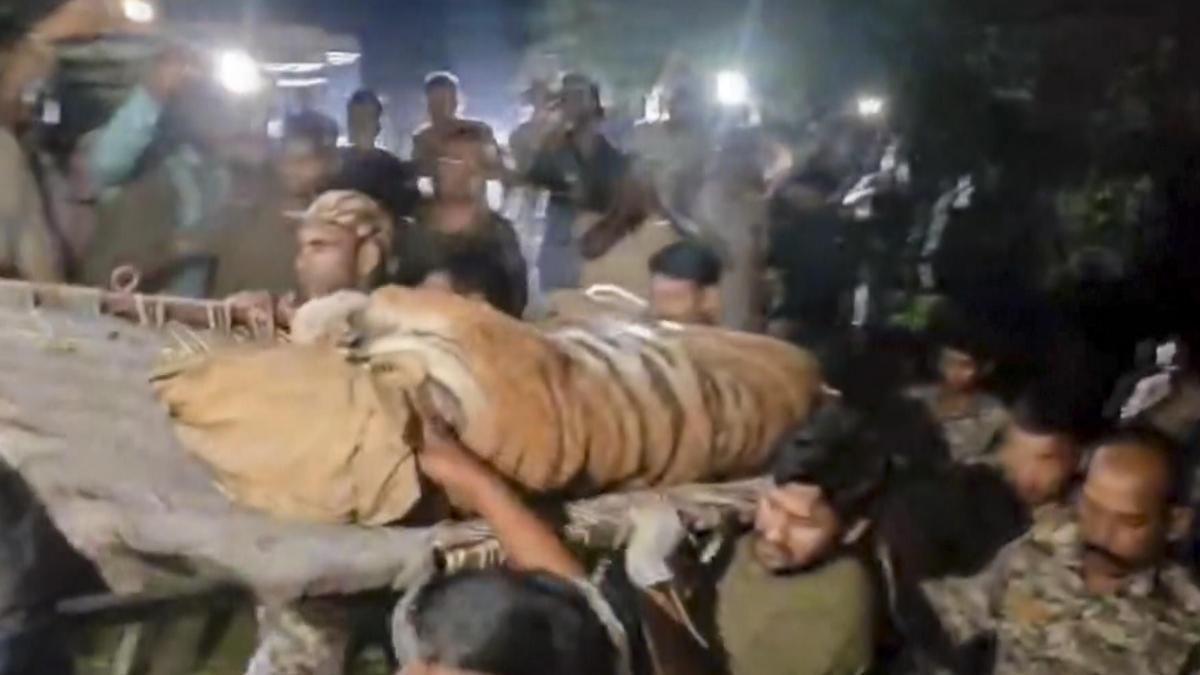
Dooars Rani, a three-year-old tigress relocated from Bihar to West Bengal's Buxa Tiger Reserve, was successfully returned after wandering into Assam's Raimona National Park. Officials tranquilized and relocated the big cat once she neared human settlements to ensure public safety.
The Migration of 'Dooars Rani': An Analysis of Buxa's Tiger Reintroduction
The Buxa Reintroduction Project
The recent movement of the three-year-old tigress, known as Dooars Rani (BTR-TF-1/ T-138), marks a critical juncture in West Bengal's conservation efforts. Released into the Buxa Tiger Reserve on October 2, 2026, the tigress was part of an ambitious state-led initiative to revitalize the tiger population in the region. By sourcing the tigress from Bihar’s Valmiki Tiger Reserve, authorities aimed to bolster the genetic diversity and ecological health of the Buxa landscape, which has long been viewed as a vital corridor for large carnivores.
Understanding Territorial Instincts
Wildlife experts note that it is not uncommon for translocated tigers to exhibit wandering behavior immediately following their release into a new environment. Driven by an innate search for territory, the tigress crossed into Assam's Raimona National Park on October 25, 2026. This behavior highlights the complexities inherent in tiger translocation, as big cats often attempt to navigate ancestral or familiar corridors in search of suitable habitat, prey density, and mating opportunities, often crossing state boundaries in the process.
Balancing Conservation and Public Safety
While her foray into Raimona was a natural biological response, the situation required intervention when the tigress began approaching human settlements near the Buxa periphery. On November 3, 2026, forest officials made the decision to tranquilize and cage the animal. This move underscores the delicate balance conservationists must maintain between allowing tigers to explore their new surroundings and ensuring the safety of local communities living near protected forest areas.
The Future of Corridors and Connectivity
The incident serves as a case study for the importance of landscape connectivity between the forests of West Bengal and Assam. The ease with which the tigress traversed the distance between Buxa and Raimona reinforces the theory that these forests are ecologically linked. Future management strategies will likely focus on monitoring these movement corridors more closely to prevent human-animal conflict while providing the tigress the space she needs to establish a permanent home range.
Conclusion
The successful return of Dooars Rani to Buxa confirms that despite the logistical challenges of the relocation project, the authorities are well-equipped to manage the behavioral patterns of translocated tigers. As the state continues its efforts to restore the tiger population, this event will provide invaluable data for refining future release protocols and enhancing the protection of migratory routes between these two significant national parks.
Verification Required?