Hours before planned hunger strike, IIT-B student's parents 'forcibly' taken away from Mumbai
Source Entity
Latest News: Todays Latest News Headlines from India & World | Hindustan Times | Hindustan Times
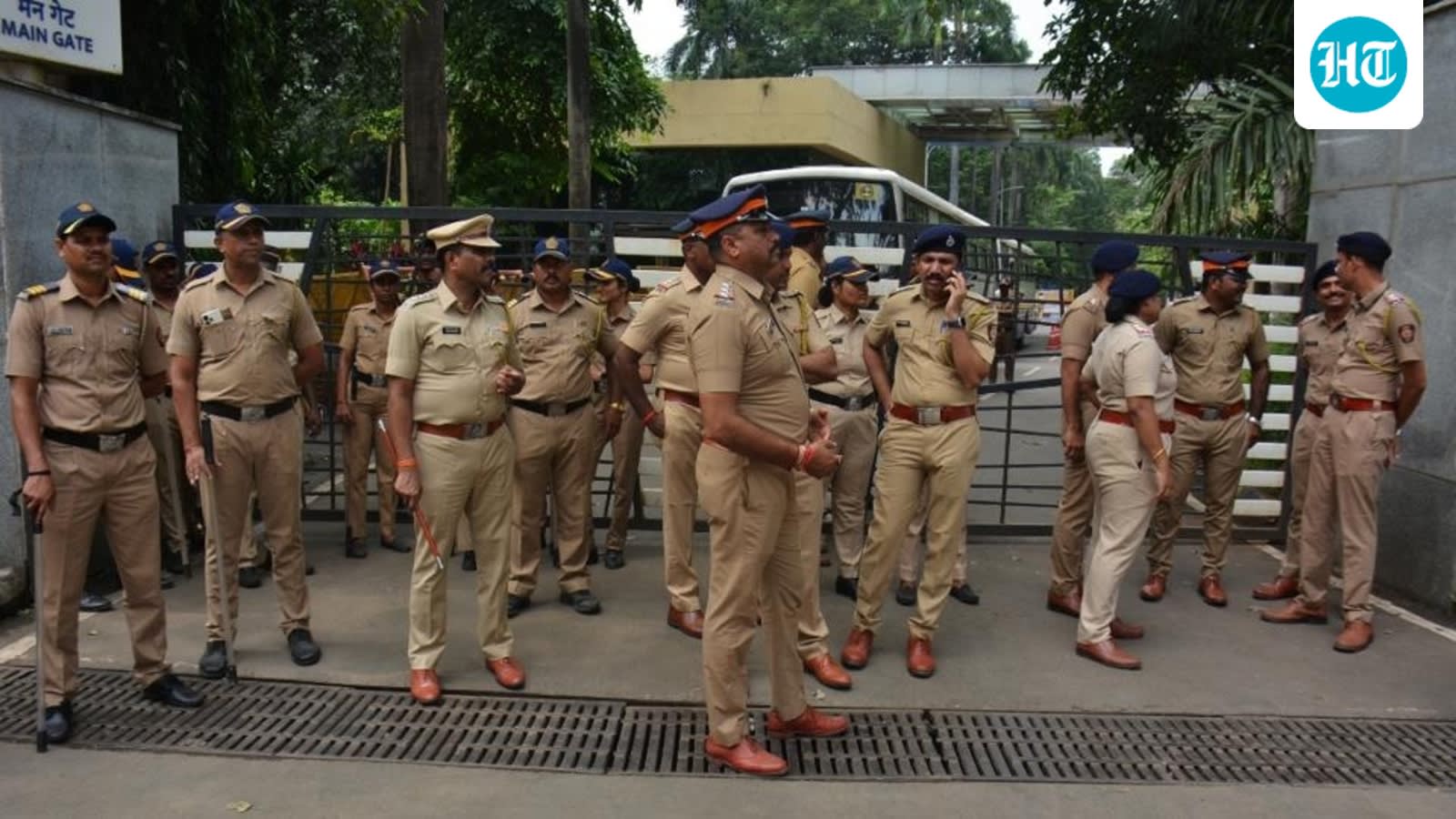
A second-year IIT-Bombay student died by suicide after being caught using AI for exam answers, sparking student-led protests regarding mental health. The incident marks the third suicide at the campus in seven months, leading to calls for increased institutional accountability.
Tragedy at IIT-Bombay: Examining the Intersection of Academic Pressure and Mental Health
The academic community is reeling following the tragic death of a second-year student from the Department of Energy Science and Engineering at the Indian Institute of Technology (IIT) Bombay. On Friday, September 18, 2026, the student was found dead in his hostel room, an event that has since ignited significant unrest among the student body. The incident occurred shortly after the student was reportedly caught using his mobile phone during an examination to upload questions to an AI platform in search of answers.
Institutional Response vs. Student Perception
In the wake of the tragedy, IIT-Bombay issued a formal statement clarifying that no disciplinary action had been initiated against the student. According to the administration, the student was counseled by the instructor following the incident in the exam hall. However, this clarification has done little to quell the mounting frustration among peers. Students gathered in large numbers at the Powai campus, arguing that the administration is failing to adequately address the broader, systemic mental health concerns that plague the student population, potentially viewing the exam incident as a symptom of a much larger issue.
A Pattern of Concern
This tragic event is not an isolated occurrence but rather the third suicide reported on the IIT-Bombay campus within a span of seven months. This alarming frequency has transformed individual grief into a collective demand for systemic reform. The recurring nature of these incidents suggests that students are facing unprecedented levels of pressure, leading many to call for a comprehensive investigation into the institutional environment and the support systems currently available to pupils grappling with extreme stress.
The Role of Technology in Academic Integrity
The specific mention of the student utilizing an AI platform to generate answers highlights a growing tension between traditional academic integrity and the ease of access to generative technology. While schools struggle to police the use of AI in examinations, the psychological fallout of being caught—often amplified by the high-stakes culture of elite engineering institutes—can be devastating. This case raises critical questions about how educational institutions should balance the enforcement of academic honesty with a compassionate, mental-health-first approach to student discipline.
Looking Ahead: The Path Toward Accountability
As police investigations continue to ascertain the precise circumstances behind this extreme step, the focus remains firmly on the university's duty of care. The student protests serve as a barometer for the current climate on campus, signaling that the community is no longer satisfied with standard post-incident protocols. Future trends in higher education will likely necessitate a paradigm shift, moving away from purely punitive measures toward a more holistic integration of mental health resources and AI-aware pedagogical strategies to prevent further loss of life.
Multiple Citing Sources
Verification Required?