Weather tomorrow: IMD warns of extremely heavy rain in 14 states
Source Entity
TOI CITY DESK
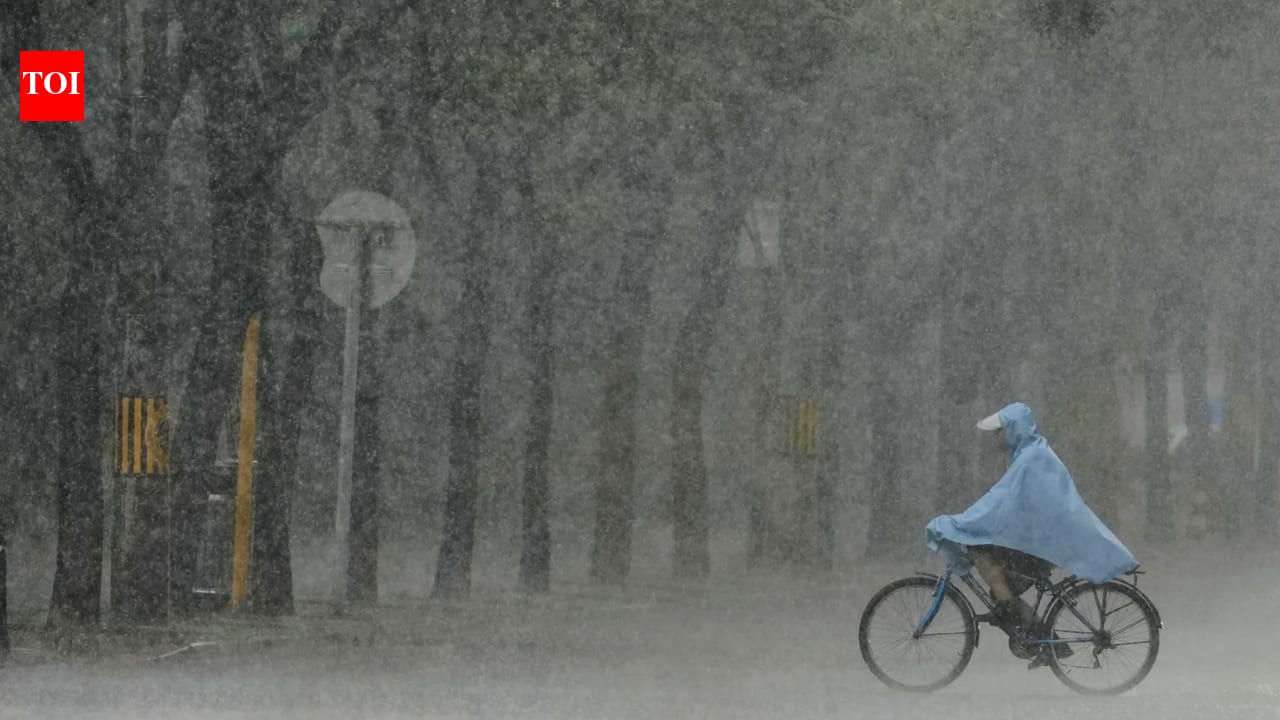
Northeast and East India will experience extremely heavy rainfall over the next week. Southern and coastal states are expected to face continued hot and humid weather conditions. Uttarakhand and parts of North India will also receive heavy rainfall starting mid-July. Telangana authorities are preparing for potential El Niño impacts on agriculture. The monsoon remains active over eastern regions, bringing significant precipitation.
Comprehensive Analysis of IMD Weather Warnings and Regional Climate Volatility
The India Meteorological Department (IMD) has issued a critical weather alert forecasting extremely heavy rainfall across 14 states, signaling a period of intense atmospheric instability. This forecast highlights a stark climatic divide within the subcontinent, where the Northeast and East are bracing for deluge-level precipitation, while the Southern and coastal belts remain trapped in oppressive heat and humidity. This duality underscores the complexity of the Indian monsoon system, which is currently exhibiting highly localized intensity, creating simultaneous crises of flooding in some regions and heat stress in others.
The Eastern Surge and Northeastern Vulnerability
The prediction of "extremely heavy rainfall" for Northeast and East India is particularly concerning given the geography of these regions. The Northeast, characterized by hilly terrain and dense river networks, is highly susceptible to flash floods and landslides when precipitation exceeds threshold levels. Such intense rainfall often leads to the overflowing of major river systems, threatening rural infrastructure and disrupting transportation lifelines. The persistence of active monsoon conditions in these eastern regions suggests a strong moisture influx from the Bay of Bengal, which will likely necessitate high-alert status for disaster management teams to mitigate loss of life and property.
Mid-July Outlook for North India and Uttarakhand
As the weather pattern shifts, the IMD has flagged Uttarakhand and parts of North India for heavy rainfall starting mid-July. The timing is critical, as this region is prone to cloudbursts and glacial lake outburst floods (GLOFs) during the peak monsoon. The rugged topography of the Himalayas often amplifies rainfall intensity through orographic lifting, meaning that "heavy rainfall" in Uttarakhand can quickly escalate into catastrophic landslides. This forecast serves as a vital warning for pilgrims and tourists in the hill stations to exercise extreme caution and for local governments to reinforce slope stability and drainage systems.
The Southern Heat-Humidity Paradox
In contrast to the rain-soaked north and east, the southern and coastal states are expected to endure continued hot and humid conditions. This weather pattern is often a result of the monsoon's uneven distribution, where certain regions experience a "dry spell" despite the overall active season. High humidity levels combined with elevated temperatures increase the heat index, posing significant health risks such as heat exhaustion and dehydration for the general population. Furthermore, this persistent heat puts immense pressure on the power grid due to the surge in air conditioning and cooling demands, potentially leading to localized power instabilities.
El Niño and Agricultural Risk in Telangana
One of the most strategically significant aspects of the current report is Telangana's preparation for potential El Niño impacts. El Niño, a climate pattern involving the warming of surface waters in the eastern Pacific Ocean, historically correlates with weakened or erratic monsoon rains in India. For an agrarian economy like Telangana's, the threat of El Niño is a threat to food security. By preparing for these impacts now, authorities are likely focusing on drought-resistant crop varieties and water conservation strategies to hedge against the risk of precipitation deficits that typically accompany this global phenomenon.
Conclusion and Future Outlook
In summary, the current IMD warnings paint a picture of a fragmented and volatile weather season. The immediate threat of extreme rain in the East and Northeast, coupled with the looming mid-July risks in Uttarakhand and the heat-stress in the South, requires a coordinated multi-state response. The proactive stance taken by Telangana regarding El Niño serves as a blueprint for other states to integrate global climate patterns into local agricultural planning. Moving forward, the ability of India to manage these diverging weather extremes will depend on the precision of real-time forecasting and the robustness of regional disaster preparedness frameworks.