Orthopaedic surgeon explains effects of staying indoors for long periods on bone health, assures that it is preventable
Source Entity
Latest News: Todays Latest News Headlines from India & World | Hindustan Times | Hindustan Times
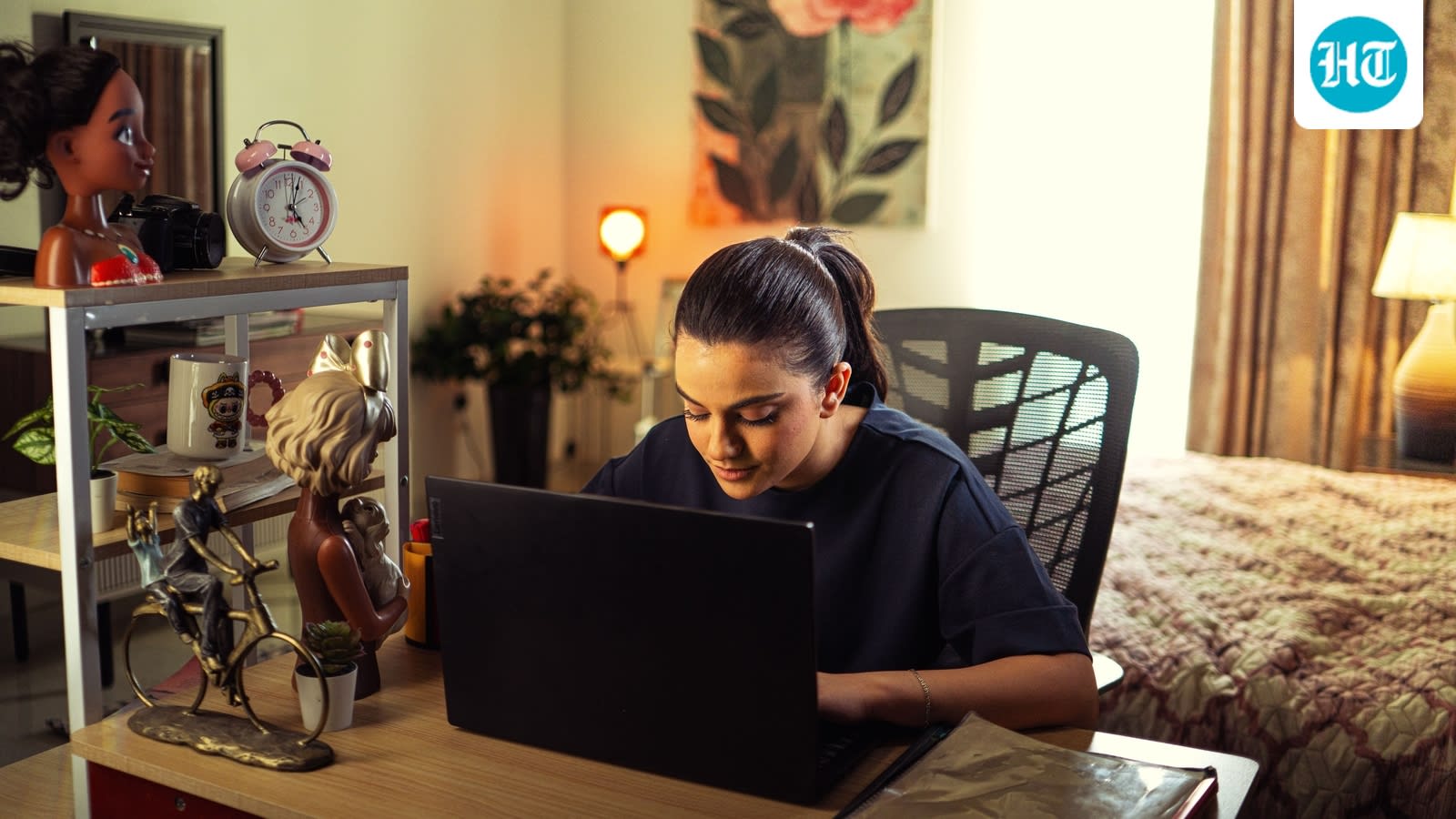
Orthopaedic surgeon Dr. Sumit Badhwar highlights that prolonged indoor living contributes to bone degradation through vitamin D deficiency and lack of movement. He emphasizes that this issue affects younger demographics as well as the elderly and is largely preventable through lifestyle adjustments.
The Hidden Toll of Indoor Living on Skeletal Integrity
Modern sedentary lifestyles have increasingly confined individuals to indoor environments, leading to a silent crisis in musculoskeletal health. According to orthopaedic surgeon Dr. Sumit Badhwar, the human skeleton is not a static frame but a living tissue that requires specific environmental stimuli—namely sunlight, physical movement, and proper nutrition—to maintain its structural density. When individuals spend their days transitioning between desks, vehicles, and climate-controlled rooms, they effectively starve their bones of these essential biological triggers.
The Vitamin D Deficiency Epidemic
The most critical casualty of a life spent indoors is the body's ability to synthesize Vitamin D. Sunlight exposure is the primary catalyst for the skin to produce this hormone, which is essential for calcium absorption. Without adequate sunlight, the body struggles to maintain bone mineralization, directly leading to a weakening of the skeletal structure. This deficiency is not merely a precursor to osteoporosis; it is a fundamental disruption of the body's ability to repair and reinforce its own framework, making bones more susceptible to fractures and chronic pain.
Beyond the Elderly: A Generational Shift
Historically, concerns regarding bone density and fragility were largely associated with aging populations. However, Dr. Badhwar notes a concerning trend: bone health issues are now surfacing in individuals in their 20s and 30s. This shift indicates that the cumulative effects of sedentary, indoor-centric work cultures are accelerating bone degradation earlier in life. When younger populations experience these deficits, they risk entering middle age with compromised skeletal integrity, potentially leading to long-term chronic health burdens.
The Synergy of Movement and Nutrition
Bones thrive on mechanical loading, which occurs during weight-bearing exercise. Prolonged periods of inactivity lead to bone resorption, a process where the body breaks down bone tissue faster than it can replace it. When the lack of movement is combined with the absence of sunlight and potential nutritional gaps, the skeletal system faces a triple-threat. Dr. Badhwar’s insights suggest that the modern office environment is essentially engineered to undermine the very biological needs that keep our bones resilient.
Prevention and Future Outlook
Despite the severity of these effects, the situation is not irreversible. The core of the solution lies in a conscious effort to restore exposure to natural light and incorporate movement into daily routines. By recognizing that bone health is a lifestyle metric rather than just an age-related issue, individuals can implement preventative measures early. As society continues to lean into digital and remote work, public health awareness must prioritize the physical consequences of our environments to prevent a future rise in bone-related disabilities.
Verification Required?