Man runs 58 half-marathons in 58 days to honour mother, raises over $30,000
Source Entity
TOI WORLD DESK
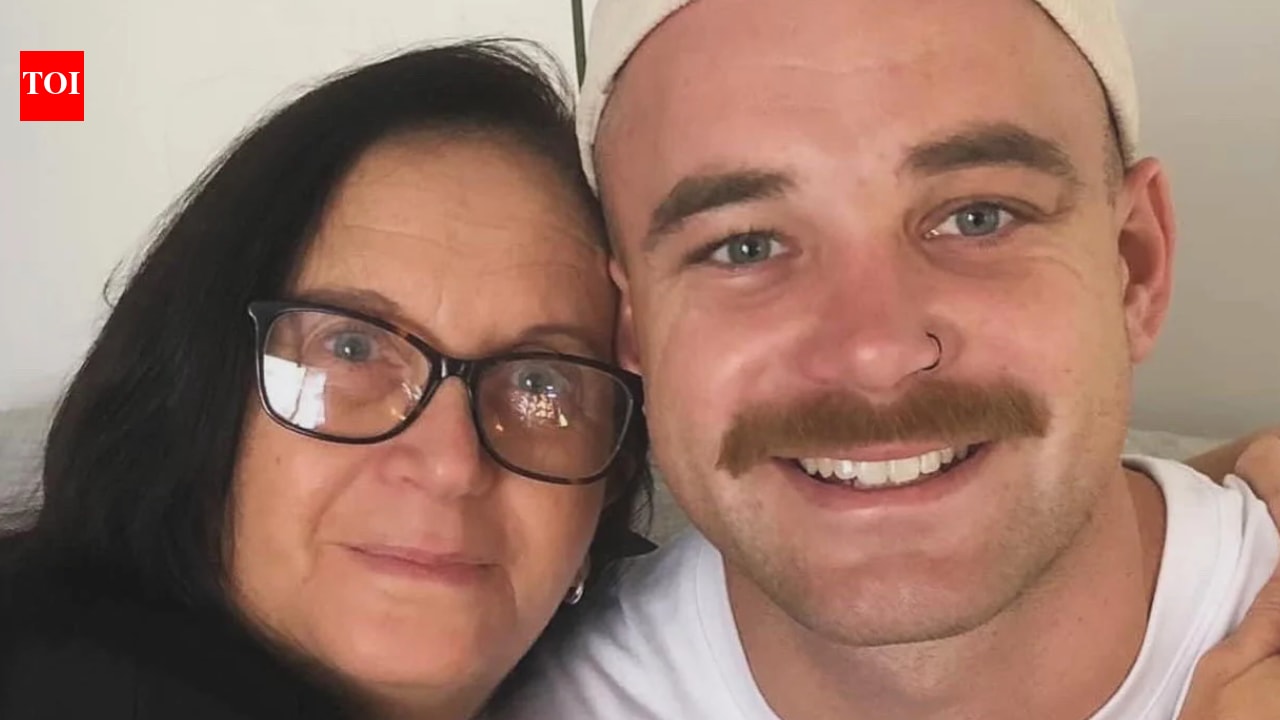
Jack Buckley, a Wollongong man, raised over $42,000 for the Stroke Foundation by completing 58 half-marathons and a 58-hour run. His efforts to honor his late mother have earned him the 2026 Fundraiser of the Year award.
A Legacy of Endurance: Transforming Grief into Advocacy
In a remarkable display of physical resilience and emotional dedication, Jack Buckley, a resident of Wollongong, Australia, has turned a deeply personal tragedy into a national movement for stroke awareness. Following the passing of his mother, Keryn, in February 2025 at the age of 58, Buckley sought a way to process his grief while contributing to the medical cause that defined her final chapter. By committing to 58 half-marathons over 58 consecutive days, he created a symbolic bridge between his mother’s age and his own endurance, successfully raising over $30,000 for the Stroke Foundation.
Expanding the Mission
Buckley’s commitment did not end with the completion of his initial 58-day challenge. Recognizing the urgency of stroke prevention and the need for ongoing support services, he extended his efforts by embarking on a grueling 58-hour continuous run. This secondary feat added another $12,000 to his total fundraising, bringing his combined contribution to over $42,000. This escalation in intensity underscores a growing trend in modern philanthropy where personal endurance challenges are utilized to generate significant public interest and financial support for specialized health charities.
National Recognition and Impact
In recognition of his extraordinary contributions, Buckley was honored as the Fundraiser of the Year at the 2026 National Stroke Awards. This accolade highlights the efficacy of grassroots, individual-led campaigns in driving organizational success for major non-profits. The Stroke Foundation, which benefits from these funds, relies heavily on such high-visibility initiatives to maintain the public discourse surrounding stroke recovery, rehabilitation, and the critical importance of early intervention.
The Broader Implications of Endurance Philanthropy
Buckley’s journey reflects a broader societal trend where individuals leverage extreme physical challenges to amplify their message. By setting goals that mirror the circumstances of their loss—in this case, the number 58—fundraisers create a compelling narrative that resonates with the public, thereby increasing donation conversion rates. This approach transforms a private tragedy into a public mission, fostering a sense of community around the cause and providing a constructive outlet for the bereaved.
Future Trends in Health Advocacy
As we look toward the future of charitable fundraising, the success of campaigns like Buckley's suggests that personal stories remain the most powerful tool for engagement. The integration of endurance sports with health awareness allows for a tangible demonstration of support that goes beyond traditional monetary donations. Moving forward, health organizations are likely to continue supporting similar, athlete-led initiatives, as they prove essential in keeping the conversation about stroke prevention, research, and support alive within the national consciousness.
Conclusion
Jack Buckley’s story is a testament to the power of human spirit and the potential for positive outcomes following profound personal loss. By raising over $42,000 and earning national acclaim, he has not only honored his mother’s memory but has also provided vital resources for the Stroke Foundation. His journey serves as an enduring reminder that personal commitment, when channeled into a specific cause, can have a meaningful and lasting impact on public health and community well-being.