Climate Change Must Be Declared "Global Health Emergency": Report
Source Entity
NDTV News Search Records Found 1000
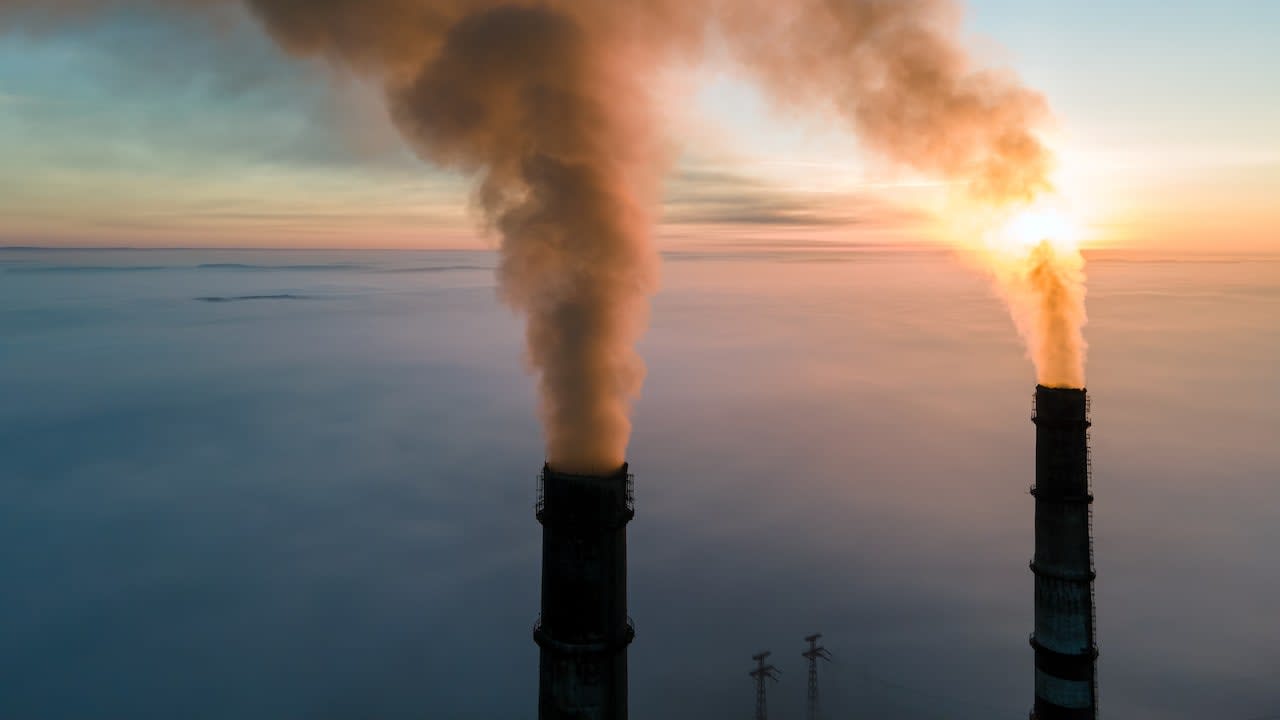
A new Lancet Countdown report identifies climate change as a critical global health emergency, highlighting record heat-related deaths and extreme vulnerability among infants and the elderly. India, alongside China, the U.S., and Russia, faces the highest risks as heatwave exposure remains at near-record levels.
The Climate-Health Crisis: A Global Emergency
The latest report from the Lancet Countdown on Health and Climate Change serves as a stark wake-up call, underscoring the urgent need to classify climate change as a global health emergency. The data reveals a harrowing reality: 2023 witnessed a record 710,000 heat-related deaths, a figure that highlights the direct and lethal link between rising global temperatures and human mortality. This is not merely an environmental concern; it is a burgeoning public health crisis that threatens to overwhelm healthcare systems worldwide.
The Vulnerability Gap: Infants and the Elderly
Central to the report’s findings is the disproportionate impact of heatwaves on the most vulnerable demographics. Infants and older adults are physiologically more susceptible to heat stress, with their bodies struggling to thermoregulate under extreme conditions. The report notes that while there was a slight decrease from 2024’s historical peak of 15.3 billion person-days of exposure for older adults, 2025 still ranked as the second-highest year on record, with 10.8 billion person-days of heatwave exposure.
India and Global Hotspots
India has been identified as one of the nations facing the most severe consequences of this trend. Alongside other major global powers including China, the United States, and Russia, India ranks among the top countries for heatwave exposure among infants and older adults. This categorization highlights the geographic scale of the crisis, where densely populated nations with significant elderly populations are bearing the brunt of atmospheric warming.
Analyzing the Trends
While 2024 set a grim historical record for heatwave exposure—reaching 15.3 billion person-days for older adults and 2.3 billion for infants—the subsequent figures for 2025 suggest that the intensity of these events remains elevated. The fact that 2025 stands as the second-highest on record indicates that heatwaves are becoming a recurring, systemic threat rather than an isolated anomaly. When normalized by population size, the data shows that older adults experienced an average of 12.8 heatwave days, signaling a persistent, long-term trend.
Implications for Future Policy
The Lancet report provides the evidentiary basis for a fundamental shift in how governments approach climate mitigation. By framing climate change as a direct contributor to mortality, policy experts argue that public health infrastructure must be integrated into climate adaptation strategies. This includes urban planning to mitigate urban heat islands, improved early warning systems for heatwaves, and dedicated medical support for those at highest risk.
Conclusion
The scientific consensus is clear: the health impacts of climate change are no longer future projections but current, lethal realities. With hundreds of thousands of lives lost to heat in a single year, the demand for a coordinated global response has never been more pressing. Addressing this emergency requires a multi-faceted approach that prioritizes the protection of vulnerable populations while aggressively tackling the root causes of global temperature increases.
Verification Required?