Surviving brain stroke: Clot removal may help patients up to 72 hours later, says study
Source Entity
Dr Vipul Gupta
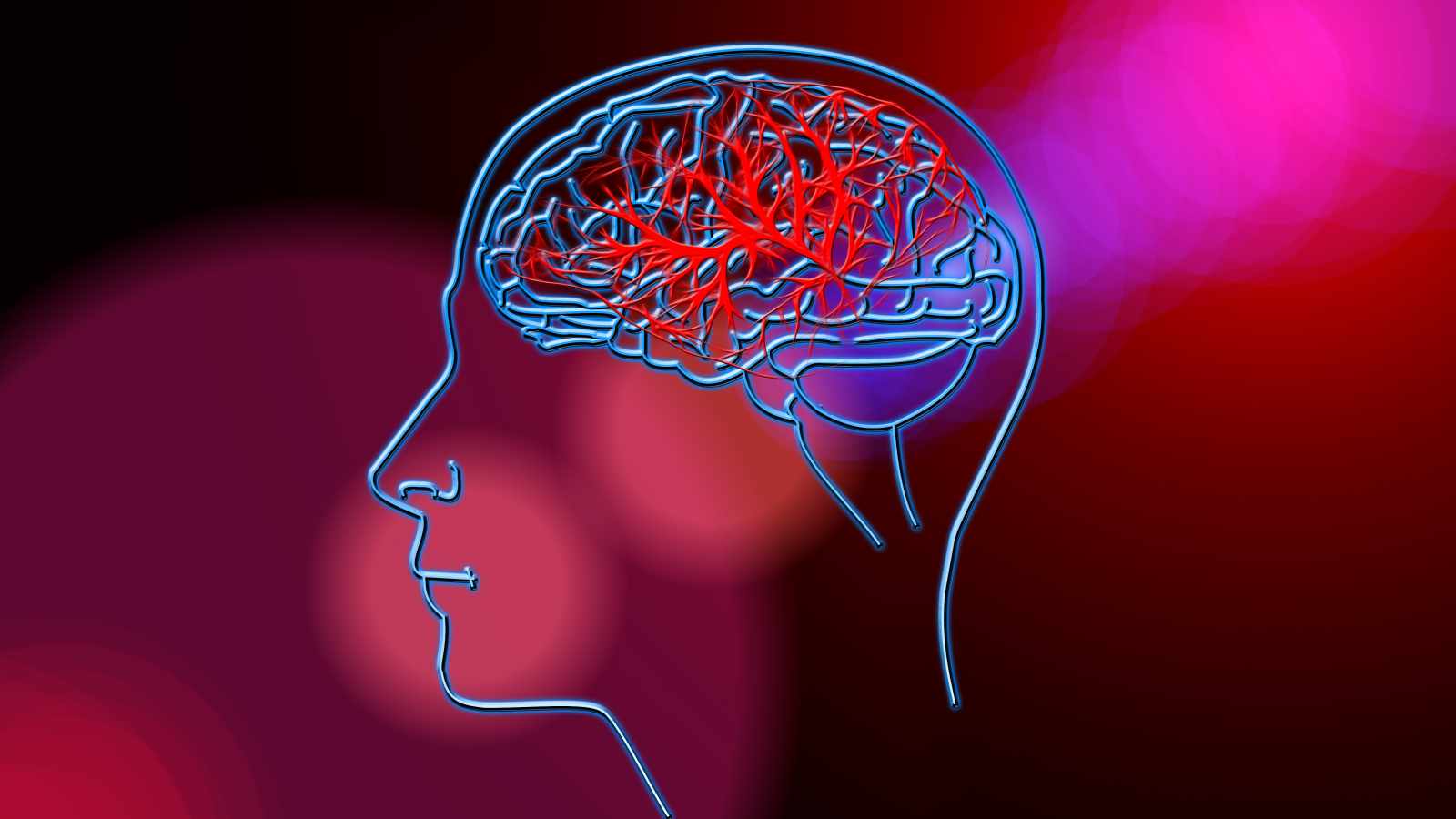
A breakthrough study published in The New England Journal of Medicine suggests that mechanical clot removal can improve outcomes for stroke patients treated up to 72 hours after symptom onset. While offering new hope, the procedure carries increased risks of brain bleeding and mortality, necessitating careful patient selection via advanced imaging.
A Paradigm Shift in Acute Stroke Management
A transformative study published in The New England Journal of Medicine on October 23, 2026, has expanded the clinical horizon for stroke intervention. Historically, the window for treating ischemic strokes—those caused by blood clots—has been strictly limited, often constrained to a few hours post-symptom onset. This new research demonstrates that mechanical thrombectomy, the physical removal of a clot, can yield significant recovery benefits for select patients even when initiated between 24 and 72 hours after the initial event.
The Role of Advanced Imaging
Central to these findings is the role of sophisticated neuroimaging. The ability to extend the treatment window relies entirely on identifying 'salvageable' brain tissue—areas of the brain that are under-perfused but not yet infarcted or permanently dead. By utilizing advanced imaging modalities, clinicians can now peer into the biological state of the brain to determine if restoring blood flow will provide a meaningful clinical benefit, moving away from rigid time-based protocols toward a more personalized, physiological approach.
Balancing Efficacy and Risk
The study presents a complex risk-benefit profile that clinicians must navigate. While patients who underwent clot removal showed superior 90-day recovery outcomes compared to those receiving only standard medical management, the procedure is not without significant danger. The researchers noted an increased incidence of intracranial hemorrhage and mortality among the intervention group. This necessitates a highly nuanced approach to patient selection, ensuring that only those likely to gain functional independence are subjected to the risks of invasive neuro-intervention.
Implications for Emergency Protocols
This research challenges the existing 'time is brain' mantra that has dominated stroke medicine for decades. While the study provides a vital extension of the treatment window, it carries a critical warning: these findings should not be interpreted as a justification for delaying medical attention. The urgency of seeking immediate care remains the gold standard, as early intervention consistently correlates with the best possible neurological outcomes. The new window is a safety net for those who arrive late, not a recommendation to postpone arrival.
Future Trends in Stroke Care
Looking forward, this study underscores a shift toward precision medicine in neurology. As imaging technology continues to evolve, we can expect more granular identification of patients who fall within this 'late window.' The integration of artificial intelligence in rapid image analysis may further streamline these decisions, allowing stroke centers to identify candidates for delayed intervention with greater speed and accuracy. Ultimately, this research provides a framework that could significantly reduce long-term disability for patients who were previously considered beyond the reach of active treatment.