From Pap smears to colonoscopy: Gastroenterologist Dr Sreedhara V shares the screenings adults need by age and gender
Source Entity
Latest News: Today's Latest News Headlines from India & World | Hindustan Times | Hindustan Times
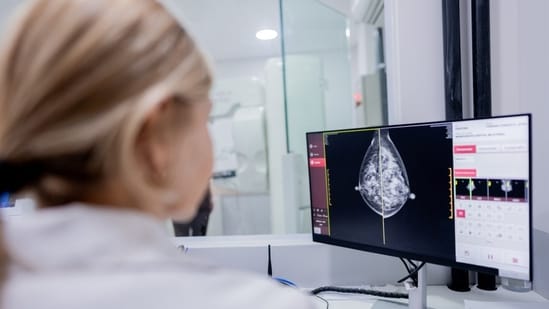
Preventive screenings are vital for the early detection of asymptomatic conditions, significantly improving cancer treatment outcomes. Experts emphasize that age and gender-specific testing is essential for maintaining long-term health.
The Imperative of Preventive Healthcare
In the modern medical landscape, the philosophy of 'prevention over cure' has become the cornerstone of longevity. As highlighted by experts like gastroenterologist Dr. Sreedhara V, preventive screenings act as the primary defense against the silent progression of life-threatening ailments. Many severe conditions, particularly various forms of cancer, often develop without manifesting early symptoms, leading patients to falsely assume they are in perfect health until the disease reaches an advanced, less manageable stage.
The Silent Progression of Disease
The fundamental danger in ignoring regular health check-ups lies in the asymptomatic nature of early-stage pathology. Conditions such as colorectal cancer or cervical dysplasia often remain hidden behind a facade of wellness. When individuals wait for symptoms to appear, they are frequently waiting for the disease to reach a point where it is physically disruptive, which often correlates with a diminished prognosis. Regular screening disrupts this cycle by identifying abnormalities at the cellular or precancerous level before they can escalate into systemic health crises.
Tailoring Screenings by Age and Gender
Not all screenings are universal; medical guidelines are meticulously structured based on age and gender to maximize clinical efficacy. For instance, the transition from routine Pap smears for women to colonoscopies for both genders as they age represents a targeted approach to high-risk areas. By adhering to these specific timelines, patients can ensure they are being monitored for the conditions most statistically likely to affect them during specific life stages, thereby optimizing the use of healthcare resources and personal time.
The Role of Early Detection in Survival
Statistical data consistently demonstrates that early detection drastically improves treatment outcomes. When a malignancy is caught during a routine screening, the range of available medical interventions is significantly broader and generally less invasive. Conversely, late-stage diagnosis often necessitates aggressive chemotherapy, radiation, or complex surgical procedures that carry higher risks and lower success rates. Thus, the decision to undergo a screening is not merely a medical task, but a strategic investment in future quality of life.
Beyond Screenings: A Holistic View
While screenings are essential, they function best within a broader framework of healthy lifestyle choices. As noted in recent medical discourse, risk factors such as alcohol consumption—even at moderate levels—can complicate health outcomes and negate the benefits of a proactive screening schedule. A comprehensive approach involves combining regular clinical evaluations with a conscious reduction in known carcinogens and lifestyle-related health risks.
Conclusion: Taking Ownership of Your Health
The call to prioritize preventive screenings is a call for patient empowerment. By moving away from reactive healthcare—where one only sees a doctor when feeling unwell—and toward a proactive, schedule-based model, individuals can significantly shift the odds in their favor. Consulting with specialists to establish a personalized screening roadmap is a vital step toward ensuring that potential health threats are neutralized long before they have the opportunity to disrupt one's life.
Verification Required?